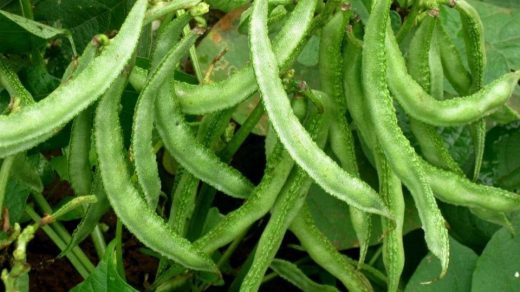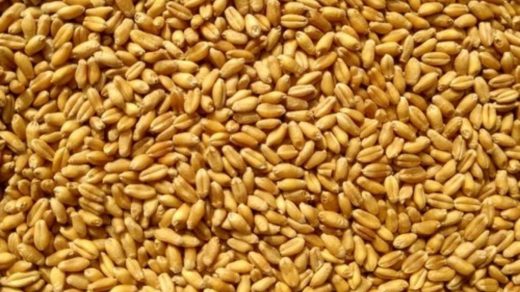
These are a few illustrations of specific crops biofertilizers:
Biofertilizers based on Rhizobium: Rhizobium inoculants are made for leguminous plants like beans, peas, lentils, and soybeans. Leguminous plants and rhizobium bacteria collaborate to fix atmospheric nitrogen, which serves as a substantial supply of nitrogen for the plants. Because they lessen the demand for nitrogenous fertilizers and support sustainable agriculture, these biofertilizers are essential for the growth of legumes.
Biofertilizers made from azospirillum are frequently used to non-leguminous crops like wheat, maize, sorghum, and millets. By generating growth-stimulating compounds like auxins and improving nutrient uptake, particularly nitrogen, these bacteria aid in plant growth.
Phosphate-solubilizing biofertilizers: These fertilizers can be used with a variety of crops since they contain phosphate-solubilizing microorganisms. However, they are especially helpful for crops like rice, oilseeds, and root crops that need a higher phosphorus supply. These biofertilizers make more phosphorus available in the soil, which encourages root formation and plant growth in general.
Mycorrhizal fungus associate symbiotically with the roots of most plants to produce mycorrhizal biofertilizers. Mycorrhizal biofertilizer formulations can be made especially for a certain crop or crop family. For instance, there are mycorrhizal inoculants designed for particular tree species, vegetables, or fruit trees. These biofertilizers facilitate the uptake of nutrients and water, particularly in plants with deep root systems.