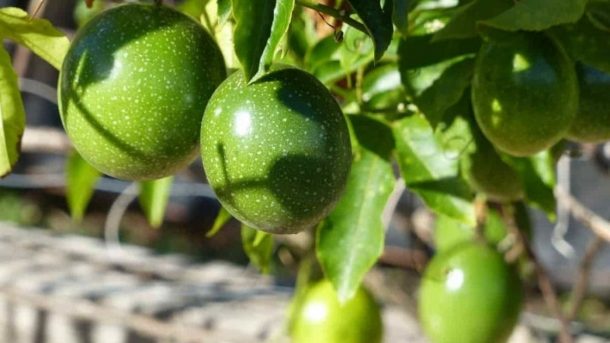
Yellow passion fruits are suitable for tropical regions, while purple passion fruits require sub tropical conditions. It grows to an altitude of 2100 meters and the rainfall is 1000 to 250 meters. The ideal temperature is 20 °C to 30°C to get the best yield. The cool temperatures in purple passion fruits are conducive to the onset of flowering and fruit set and the high temperature and quality required to promote juice production.
climate
What is the Agro-Climatic conditions for Cauliflower Farming?
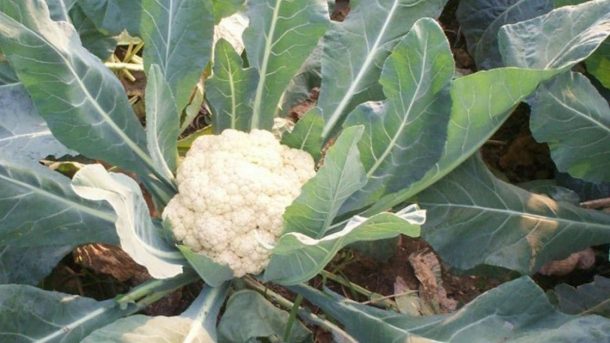
Proper climatic conditions are almost required depending on the variety of the cauliflower. Cauliflower grows well in a moist and cool climate. Cauliflower can sustain to low temperatures and for hot climatic conditions just like cabbage. Extreme dry conditions or low humidity are not suitable for Cauliflower cultivation. 10°C to 25°C is optimum temperature for good seed germination. High temperatures cause poor quality of curds. Lower temperatures may result in delays in maturity and undersized curd.
What is the Climatic Requirement for Growing Holy Basil?
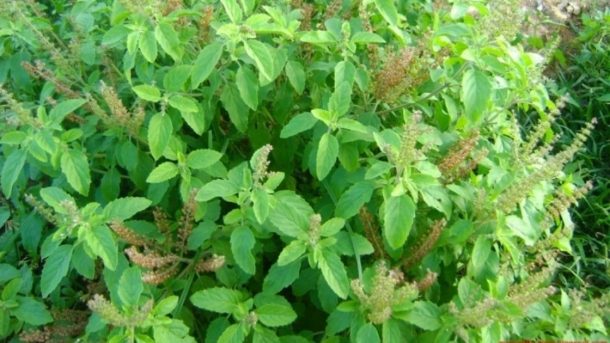
Holy basil plants prefer long day times with high temperatures and humid conditions for healthy plant growth and high yield of Tulsi essential oil. Tulsi can be cultivated both in tropical and sub-tropical climatic conditions. The Basil crop requires an average annual rainfall of 90 to 120 cm. Basil can be grown up to an altitude of 900 meters (mean sea level). Basil can tolerate drought and frost to a certain extent. Even Tulsi can be grown under partial shade conditions, but expect lower oil yields.
What is the Temperature and Light Requirements for Tamarind Production?
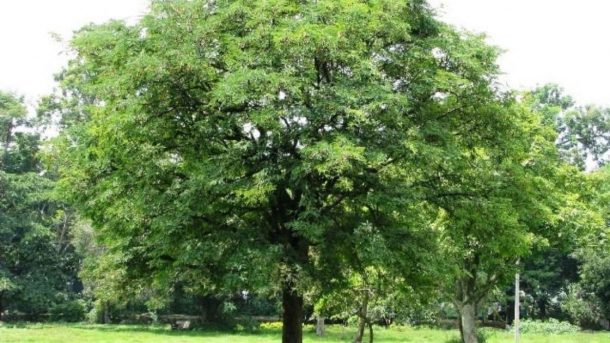
A tree of tropical climates, Tamarind succeeds under a maximum annual temperature ranging from 33 to 37°C to a minimum of 9.5 to 20°C. The trees are very sensitive to fire and frost and need protection when trees are small. When coming to the older trees, these are more resistant to extremes of temperature compared to young trees and can withstand temperatures as high as 47°C and as low as -3°C without serious injury. Tamarind is more cold-resistant than avocado, mango, and lychee.
Tamarind is a slow-growing and light demanding tree. These are frequently isolated from other vegetation and the ground is generally bare around the tree due in part to the dense shading by the canopy.
What is the Climatic Requirement for Hibiscus Cultivation?
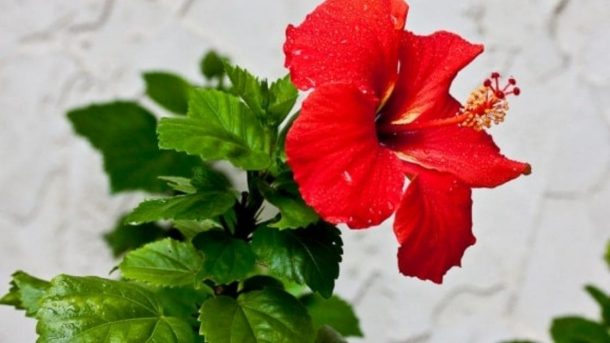
Hibiscus requires 4-8 months with night time temperatures not below 20°C. In addition, it requires 12-13 hours of sunlight during the first 5 months of growth to prevent premature flowering. Hibiscus plants require a monthly rainfall ranging from 5″- 10″ during the first 4 months of growth.
What is the Climatic Requirement for Carnation Flower Growing?
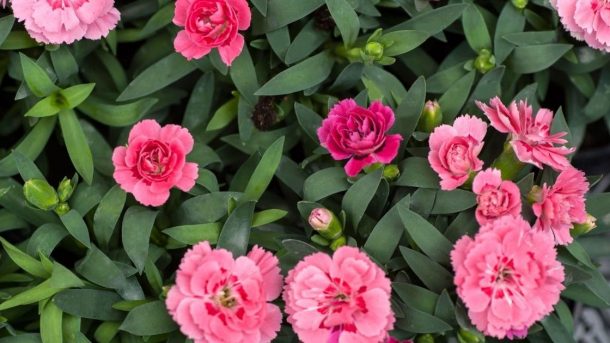
The carnation crop requires cool climatic conditions, low humidity, and long days with high light intensity. The standard carnation variety prefers a cooler climate than the spray cultivars. Carnations are long-day plants with high light requirements to yield high-quality flowers. Usually, they require minimum light of 22000 Lux for the required photosynthesis of carnations. The ideal day temperatures of 18°C to 25°C, night temperature of 10°C to 15°C, and relative humidity of 70 to 75 % are ideal for carnation flower growing.
Which crop growth conditions help to get more yield of rice?
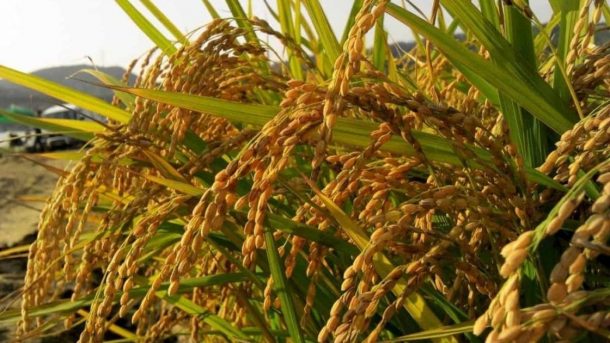
Rice is grown in 8° to 25° N latitudes and up to 2500 meters above sea level under different conditions. It is a tropical plant and needs more heat and moisture for its successful growth. The average monthly temperature should be quite high at 24°C at growth and 25- 30°C at harvest. The average annual rainfall required for rice cultivation is 150 cm.
What is the Climatic Requirement for Marigold Farming?
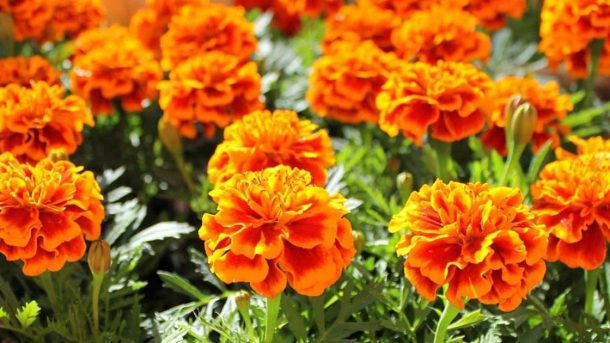
Marigold flowers thrive best in hot and dry as well as humid weather conditions. They grow best throughout the year under both tropical and subtropical conditions but require mild climatic conditions for best growth and flowering. The ideal temperature for optimal growth is 15°C – 29°C. Very hot climate may impact the flowering growth.
What is the climate required for growing oil palms?
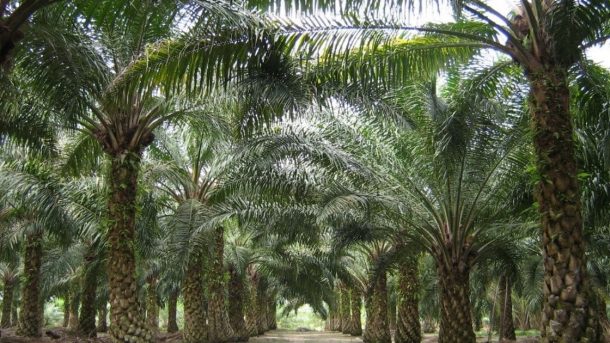
Oil palm is a humid crop and requires evenly distributed annual rainfall of 2500 to 4000mm. As we know even rainfall distribution is not possible, it is advised to cultivate oil palm crop under assured irrigation by adopting recommended practices. Oil palm crop comes up very at mean annual temperature of 20 to 27°C with bright sunlight for at least 5 to 6 hours a day. It is also important to have a humidity of more than 80% for the best yield.
How much sun is required for potato plants?
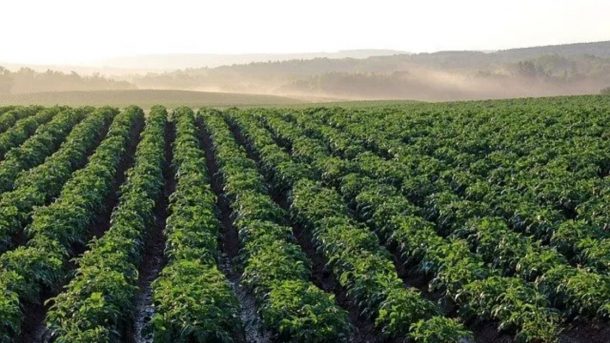
It is considered that the potato plants need at least a half day of full sunlight along with some partial shade. The tubers should not be exposed to direct sunlight otherwise this would cause the tubers to turn into green colour. On an average at least 6 hours of sunlight is required by the potato plants provided the area has well drained soil. Partial; shade or areas that receive less direct sunlight is also suitable for potato farming, but with lower yield.