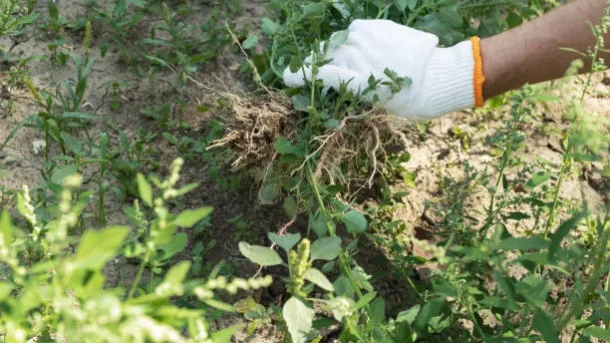
By strengthening soil structure and encouraging root growth, biofertilizers can indirectly aid in improving soil aeration. For the life of soil organisms and the wellbeing of plant roots, soil aerations is the flow of air inside the soil. In order to sustain aerobic conditions and promote the growth of beneficial aerobic bacteria, proper soil aeration is necessary. How biofertilizers can enhance soil aeration is as follows:
Improvement of soil structure: Some biofertilizers contain microorganisms that make glue- and polysaccharide-producing chemicals. These chemicals aid in the formation of aggregates by binding soil granules together. Larger pore pores in well-aggregated soils provide improved airflow and water infiltration.
Root system development: Biofertilizers that encourage root growth and branching include mycorrhizal fungus and certain plant growth-promoting bacteria. The soil can generate channels and openings due to a well-developed root system, which improves soil aeration and airflow.
Water infiltration: In addition to enhancing soil structure, biofertilizers also help with infiltration. Effective water infiltration helps replace the air in the soil pores, enhancing soil aeration.
Soil aggregation and enhanced structure-promoting biofertilizers can aid in reducing soil compaction. Soils that have been compacted have fewer pore spaces and less freedom to transport air. Biofertilizers indirectly improve soil aerations by lowering compaction.