Agricultural market

How are organic and conventional agricultural products priced differently in the market?

organic and conventional

Due to numerous aspects of their production methods, demand-supply dynamics, and customer preferences, organic and conventional agricultural products are priced differently on the market. Here are some major justifications for why prices for conventional and organic goods differ:

Production expenses: When compared to conventional farming, organic farming frequently has higher production costs. Natural fertilizers, more labor-intensive approaches, and more expensive pest control techniques are often used by organic farmers.

Certification and Regulation: To meet certain organic standards and regulations, organic products need to be certified, which comes at an additional expense to farmers. There might not be the same certification standards for conventional products.

Productivity and Yields: Compared to conventional farming practices, organic farming operations may result in somewhat lower yields, which can have an impact on the market’s supply and pricing.

Market Demand: Since organic products are frequently linked to health and environmental advantages, consumer demand for them is stronger. Pricing for organic goods may increase as a result of increased demand.

Consumer Perception: Some consumers believe organic products to be safer or of greater quality, which can justify a market premium for them.


What are the most significant challenges faced by farmers in the agricultural market?

farmers

Agricultural producers encounter a variety of difficulties that can seriously harm their lives and output. These difficulties can change depending on variables including geography, farm size, type of agriculture performed, and market conditions at the time. The following are some of the most important difficulties that farmers face:

Extreme weather events and climate change: Droughts, floods, heat waves, and storms are just a few of the unpredictable weather patterns that farmers must contend with. These occurrences may result in crop failure, lower yields, and higher production expenses.

Agricultural commodity prices can fluctuate on the market because of things like supply and demand mismatches, weather-related problems, and generalized economic situations. The revenue and profitability of farmers can be impacted by price changes.

Farmers frequently experience difficulty obtaining credit and financing at reasonable rates, which restricts their capacity to spend money on cutting-edge machinery, tools, and inputs.

Costs of inputs: Farmers may experience financial hardship due to rising prices for seeds, fertilizer, pesticides, and fuel, which may hinder their capacity to remain competitive in the market.

What role does technology play in the modern agricultural market?

modern agricultural market

The modern agricultural market is transformed by technology, which has completely changed how farming and agribusiness are performed. Agtech, or improvements in agricultural technology, has the potential to increase profitability, productivity, and sustainability in the industry. Here are a few crucial functions that technology has in the contemporary modern agricultural market:

Precision farming: To gather information on soil conditions, weather patterns, and crop health, precision farming uses technology like GPS, sensors, drones, and satellite photography. Farmers can optimize inputs like water, fertilizer, and pesticides thanks to this data-driven methodology, which leads to higher yields and less resource waste.

Internet of Things (IoT): IoT devices are being used more frequently in agriculture to monitor and manage a variety of operations, from animal health monitoring to irrigation and temperature control. Real-time data collecting is made possible by IoT, which improves productivity and decision-making.

Data analytics and artificial intelligence (AI): By processing enormous amounts of agricultural data, data analytics and AI technologies support farmers in making data-driven decisions. In order to forecast crop yields, spot disease outbreaks, optimize planting times, and better manage farm operations, machine learning algorithms may analyze data from numerous sources.

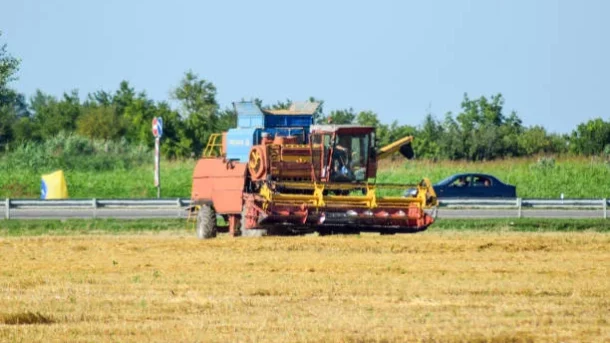
Automation and robotics in agriculture: Planting, harvesting, weeding, and pruning are just a few of the jobs that agricultural robots are made to do. Automation eliminates the need for human work, boosts productivity, and can help with the agricultural industry’s labor issue.

How do government policies impact agricultural market trends?

government policies

Government policies have a significant impact on agricultural market trends and many facets of the agricultural industry. Production, trade, prices, and the general dynamics of the market can all be impacted by these policies, both directly and indirectly. The following are some ways that public policies might affect the agriculture market:

Governments frequently offer financial assistance to farmers in the form of subsidies, grants, or price support programs. These subsidies can lower production costs, promote particular farming methods, and stabilize prices, resulting in an increase in the supply or output of particular agricultural commodities.

Governments utilize trade rules and tariffs to control the flow of agricultural products across international borders. While export tariffs can affect a product’s availability on the global market, import tariffs can shield home producers from overseas rivalry.

Agriculture Price limits: To guarantee that some important goods are affordable for consumers, governments may impose price limits on them. While keeping food costs consistent for consumers, price caps might restrict farmers’ income.

Funding for Research and Development: Investing in agricultural R&D can result in technological improvements, better crop types, and increased productivity. Research that is supported by the government policies can also focus on particular issues facing agriculture, such disease resistance or climate resilience.

What are the key factors driving agricultural market fluctuations?

fluctuations

A number of variables, including natural phenomena, technical developments, economic policies, and geopolitical events, all have an impact on the agricultural market. Both short- and long-term fluctuations in agricultural commodity pricing and market dynamics may result from these variables. The following are some important variables influencing the agricultural market:

Climate and weather conditions can have a direct impact on crop yields and livestock output, which can change the price of agricultural commodities. Examples of such weather events include droughts, floods, heat waves, and hurricanes.

Crop diseases and insect infestations can have a significant impact on crop production and result in price volatility in the agricultural market.

Global Demand and Population Growth: Increasing populations worldwide and dietary habits have an impact on consumer demand for agricultural products, which in turn affects the cost and availability of those products.

Supply and Demand Balance: A key factor in market fluctuations is the equilibrium between agricultural supply and demand. This balance can be affected by variables such as shifts in production levels, food stockpiles, and export and import quantities.

Trade Policies and Agreements: Tariffs, trade agreements, and international trade policies can affect the movement of agricultural commodities and affect prices.

How does climate change affect the agricultural market?

climate change

The agricultural market is significantly impacted by climate change, which has an impact on many facets of agricultural production, distribution, and commerce. Changes in crop yields, commodities prices, and the world’s food supply may result from these effects. The agriculture market is impacted by climate change in the following ways:

Crop Yields and Productivity: As temperatures and precipitation patterns change due to climate change, severe weather events including droughts, floods, heat waves, and storms may become more often and intense. These harsh weather conditions may have a significant effect on crop production and yields, which would decrease the market’s supply of agricultural products.

Changes in Growing Seasons and Geographic Distribution: Changing climate conditions can change the best times for crops to grow and also affect which areas are suitable for agriculture. Farmers may need to adjust by switching to other crop kinds or altering planting and harvesting times.

Changes in precipitation patterns and rising temperatures may have an impact on the availability of water for irrigation. Water shortages can hinder agricultural output, resulting in lower crop yields and more expensive production.

Pests and diseases: Pests and diseases that damage crops and livestock might shift in their range and frequency as a result of climate change. There could be an increase in the usage of pesticides and veterinary medications due to the emergence of new or more aggressive diseases and pests, which could have an impact on production costs and product quality.

What are the primary agricultural commodities traded in the market?

agricultural commodities

Agricultural commodities are raw materials or basic goods produced as a result of raising crops and animals. These products are necessary for a variety of uses, including human consumption, animal feed, industrial processing, and others. They are traded frequently on numerous international exchanges. The following are some of the most important agricultural commodities products that are traded:

One of the most extensively grown and traded cereal crops is wheat. Pastries, spaghetti, and bread are just a few of the many food products that may be made with it.

Corn (Maize): A staple crop that is fed to both people and animals. Additionally, it is a crucial component of many industrial goods like ethanol and corn syrup.

Soybeans: This adaptable crop is used for a variety of things, such as animal feed, edible oil, and soy-based foods.

Rice: For a sizable portion of the world’s population, rice is a staple diet. It is an important commodity in world trade.

Cotton is a key component of the textile industry and is used to make garments among other things.

Which countries are the major players in the global agricultural market?

countries

Several countries have been big players in the international agricultural market as of my most recent update in September 2021, both as substantial producers and exporters of agricultural goods. It’s vital to remember that the dynamics of the agricultural market can vary over time as a result of a variety of factors, including adjustments in production, alterations in consumption patterns, and trade

Agreements. The following countries have historically had a significant impact on the world agricultural market:

United States: One of the major agricultural producers in the world, the United States is renowned for growing a variety of commodities, such as corn, soybeans, wheat, and cotton. Additionally, it exports a lot of agricultural goods.

China: China is a significant producer and consumer of agriculture. It is the largest producer of wheat and rice in the world, as well as a sizable producer of corn and soybeans. The enormous population of China is a factor in the country’s high domestic consumption.

Brazil: Known for its sizable agricultural acreage and varied production, Brazil is a significant player in the world agricultural market. In addition to being the top producer and exporter of soybeans in the entire world, it also produces a sizable amount of sugar, coffee, beef, and chicken.

India is a significant producer of agricultural goods, particularly for grains like rice, wheat, and cotton. Due to its vast population, it also consumes a significant amount of agricultural products.

What is the current state of the global agricultural market?

global agricultural market

Since I’m an AI language model, I don’t have access to current information, so my understanding is based on knowledge as of September 2021. I am unable to provide information on the current situation of the global agricultural market in 2023 as a result.

I can, however, offer you a general summary of the trends and elements that frequently have an impact on the global agricultural market. A number of variables, such as weather patterns, geopolitical events, trade agreements, and general economic conditions, may cause actual market conditions to shift.

Agriculture supply and demand are in balance, and this has a significant impact on market prices. The level of demand for different agricultural products can be influenced by elements including crop yields, livestock production, and dietary changes.

Climate and weather: Unpredictable weather patterns, such as droughts, floods, and extremely high temperatures, have a substantial impact on crop productivity.

International Trade: The agriculture market is extremely dependent on international trade. Trade agreements, export and import regulations, and taxes all have an effect on how easily agricultural products move between nations.

Government Policies and Subsidies: Government interventions, such as subsidies, price supports, and rules pertaining to land use and agricultural practices, have an impact on agricultural markets.

How can digital platforms facilitate direct farmer-consumer interactions?

digital platforms facilitate

By bridging the gap between producers and customers, digital platforms play a crucial role in fostering direct farmer-consumer contacts. The following are a few ways that digital platforms facilitate and improve these interactions:

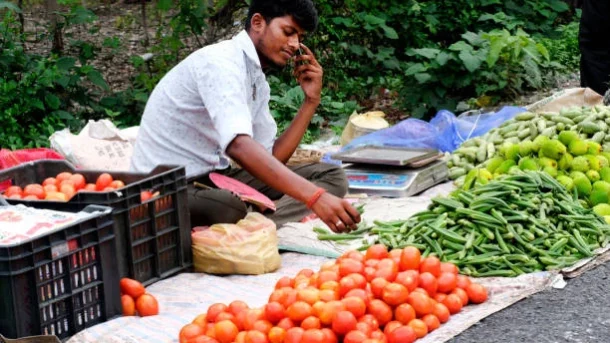
Online markets: Digital platforms facilitate offer online markets so farmers may advertise and sell their goods to consumers directly. These platforms do away with the need for middlemen, giving farmers access to a larger client base and fair rates for their goods. Customers can easily shop from the comfort of their homes and access a range of farm-fresh goods.

Direct avenues of communication: Farmers and consumers can communicate directly through digital platforms. Customers can ask about farming methods, product specifications, or even forge a personal connection with the farmers through messaging apps, chatbots, or email.

Digital platforms enable community-supported agriculture (CSA) models, in which customers can sign up to receive regular shipments of fresh fruit from farmers. By streamlining the ordering, payment, and delivery procedures, these platforms provide a direct connection between farmers and consumers. A sense of community and connection is fostered by the inclusion of chances for farm visits, activities, and interaction in CSA models.

Information on products, including their provenance and agricultural methods, certifications, and quality standards, can be found on digital platforms. Customers can access details about the route taken by their food from farm to table by scanning QR codes or utilizing product-specific identifiers. Consumers are given confidence and given the power to make wise decisions because to this transparency.