Agricultural schemes

What is the primary goal of the National Mission on Agricultural Extension and Technology (NMAET)?

Agricultural Extension

The National Mission on Agricultural Extension and Technology (NMAET)’s main objectives are to improve agricultural extension services in India and encourage farmers to adopt cutting-edge agricultural technologies. Through efficient extension and technology distribution, the objective is to increase agricultural productivity, increase farmers’ income, and ensure sustainable agricultural growth.

The National Mission on Agricultural Extension and Technology’s main goals are as follows:

Enhancing the quality and scope of extension services will help NMAET achieve its goal of strengthening the current agricultural extension system. Enhancing the knowledge and abilities of extension staff, creating efficient communication channels, and employing information and communication technology (ICT) are all necessary to make it easier for farmers to receive agricultural information.

Dissemination and acceptance of technology: The objective is to encourage farmers to adopt cutting-edge agricultural technologies and best practices. By easing the flow of technology and knowledge from research centers to the field, it seeks to close the knowledge gap between farmers and academic institutions. Promoting the use of enhanced seeds, effective irrigation methods, crop management practices, mechanization, post-harvest technologies, and other innovations that help raise agricultural productivity and sustainability are a few examples of this.

NMAET places a strong emphasis on training and capacity development programs for farmers in order to improve their knowledge and abilities in contemporary agricultural methods. These training courses cover a wide range of subjects, such as methods for crop production, management of soil and water quality, control of pests and diseases, farm mechanization, value addition, and marketing tactics.

Increasing farmer empowerment through Farmer Producer Organizations (FPOs): To increase farmer empowerment, increase their negotiating power, and promote collective decision-making, the mission supports the development and strengthening of Farmer Producer Organizations (FPOs). Farmers can access inputs, loans, technology, and markets through FPOs, which helps to improve their socioeconomic circumstances.
Name a scheme that aims to promote the cultivation of pulses and oilseeds in rainfed areas.

oilseeds

The “Pradhan Mantri Annadata Aay Sanrakshan Abhiyan” (PM-AASHA) is one program that tries to encourage the growing of pulses and oilseeds in rainfed areas of India. A government program called PM-AASHA was introduced in 2018 to support farmers’ prices for pulses and oilseeds grown in rainfed regions.

Price Support Scheme (PSS): As part of PM-AASHA, the PSS component intends to give farmers a minimum support price (MSP) for their goods. In the event that market prices drop below the MSP, the government steps in to buy the crops from the farmers at the MSP in order to guarantee that their products will be paid for fairly.

Price Deficiency Payment Scheme (PDPS): Under the PM-AASHA, this alternative mechanism pays farmers directly for the shortfall between the MSP and the real market price. This program gives farmers the freedom to sell their produce on the open market, and in the event that the market price is less than the MSP, they will be compensated with a price deficiency payment.

State governments and other private parties may buy pulses and oilseeds directly from farmers at the MSP thanks to the Private Procurement and Stockist Scheme (PPSS). This program intends to include private sector involvement in procurement, providing a vibrant and open market for agricultural products.

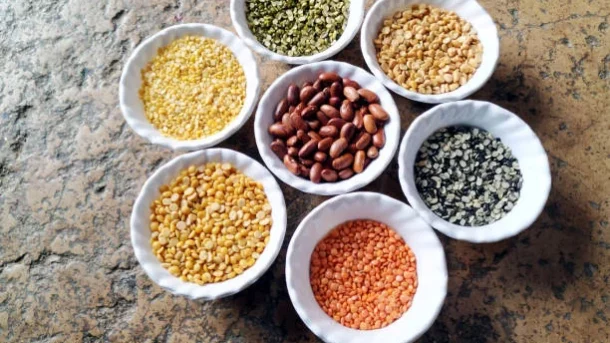
The PM-AASHA program primarily targets oilseeds (such peanut, mustard, and urad) and pulses (like gram, tur, moong, and urad).

Which government initiative focuses on promoting the cultivation of horticultural crops under protected cultivation?

horticultural crops

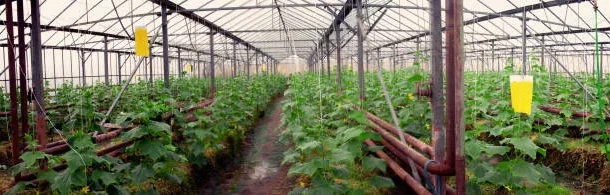
The “Mission for Integrated Development of Horticulture” (MIDH), a government project, promotes the growing of horticultural crops under protected cultivation. The Government of India has adopted the MIDH program, which is centrally supported, to encourage the sector’s overall growth and development, including the production of horticultural crops under protected conditions.

Farmers and business owners interested in horticulture, such as the cultivation of fruits, vegetables, flowers, spices, and medicinal plants, are given financial and technical support under the MIDH. The program encourages the use of protected farming techniques, which entail raising crops in tightly regulated spaces including polyhouses, greenhouses, screen houses, and shade nets. These shielded buildings offer protection from bad weather, pests, and diseases, allowing year-round production and better crop quality.

The particular elements and assistance offered by MIDH for protected horticulture may consist of:

Infrastructure improvement: The program provides funding for the building, enlargement, and modernization of protected structures such greenhouses, polyhouses, and shade nets. This covers assistance with the acquisition of supplies, the setup of irrigation systems, and the installation of required machinery.

Training and capacity building are important aspects of protected agriculture, and MIDH places a strong emphasis on them for farmers, business owners, and other stakeholders. Training courses are offered to improve participants’ knowledge of crop choices, cultivation methods, pest and disease control, and resource management.

Access to high-quality planting material is supported by the program, which includes enhanced varieties and hybrids appropriate for growing under protected conditions. 

What is the purpose of the National Mission on Sustainable Water Use in Agriculture (NMSWUA)?

Sustainable Water

India has launched a program called the National Mission on Sustainable Water Use in Agriculture (NMSWUA) to encourage the use of sustainable water management techniques in agricultural practices. It tries to address issues including inadequate water use, unsustainable water resource depletion in the agriculture sector, and lack of water.

The following are the main goals of the national mission on sustainable water use in agriculture:

Efficiency in the use of water: The mission seeks to increase the effectiveness of the use of water in agricultural operations by encouraging the use of effective irrigation methods, such as drip irrigation and spray irrigation. Through the use of these technologies, water is delivered directly to plant roots, reducing water loss due to evaporation or runoff.

Crop diversification and optimization: The mission places a strong emphasis on the need to promote crops that use less water or are better suited to the regional agro-climatic conditions, as well as the necessity to vary cropping patterns. By doing so, the demand on water resources is lessened while water use is optimized.

Building capacities and raising awareness: The goal of the mission is to empower farmers and other stakeholders to implement sustainable water management techniques. On effective irrigation practices, water-saving strategies, and crop planning, it also involves awareness campaigns, training programs, and information dissemination.

Rainwater conservation and harvesting: NMSWUA promotes the use of rainwater harvesting methods to collect and store rainwater for use in agriculture. This promotes groundwater recharging and lessens reliance on unsustainable groundwater extraction.

Name a government program that provides financial assistance for the establishment of food processing units.

food processing units

The Pradhan Mantri Kisan Sampada Yojana (PMKSY) in India is one instance of a government program that offers financial help for the creation of food processing units. The Government of India developed the PMKSY umbrella program with the intention of upgrading and bolstering the nation’s food processing units.

The establishment of new processing units as well as the enlargement and upgrading of existing units are all covered under the PMKSY’s financial aid program. The program includes marine, meat, poultry, and horticulture items in addition to agricultural and horticultural commodities.

The financial aid offered under PMKSY consists of:

Capital Investment Subsidy: The program provides financial assistance for capital investments made in establishing new processing units or enlarging and upgrading existing ones.

Infrastructure Development: In order to promote the effective handling and preservation of perishable goods, PMKSY supports the construction of infrastructure facilities such as cold storage, warehousing, packaging, and transportation.

Mega Food Parks: The program encourages the growth of these industrial parks, which include integrated infrastructural facilities for food processing. The formation of Mega Food Parks receives financial support, including funding for infrastructure development, shared amenities, and administrative costs.

Backward and Forward connections: In the food processing industry, PMKSY promotes backward and forward connections. In order to enhance the supply chain and guarantee farmers’ access to markets, this includes funding for projects like as farmers’ associations, producer firms, agri-logistics, and market intelligence.

What is the main objective of the Interest Subvention Scheme for agricultural loans?

Interest Subvention Scheme

The Interest Subvention Scheme for Agricultural Loans’ primary goal is to assist farmers financially by lowering the cost of borrowing for agricultural endeavors. Governments or agricultural organizations often adopt the plan in order to advance agricultural growth, boost farm productivity, and enhance farmers’ general well-being.

The granting of interest rate subsidies on loans for agriculture is the centerpiece of the Interest Subvention Scheme. Under this plan, the government or the designated agency will pay for a portion of the interest on agricultural loans. Depending on the nation or region where the program is implemented, the precise percentage of the interest subsidy and other specifics may change.

Access to affordable credit: Thanks to the program, farmers can now obtain loans with lower interest rates, which lowers the cost of agricultural loans. This aids farmers in making investments in a range of agricultural endeavors, including the acquisition of seeds, fertilizers, machinery, equipment, and livestock.

A reduction in borrowing costs encourages farmers to invest in agricultural operations, such as innovative farming methods, cutting-edge technology, and enhanced infrastructure. This enhances agricultural competitiveness, production, and efficiency.

Timely payback and financial security: The program’s goal is to increase farmers’ capability to make repayments by easing their financial load. This lowers the possibility of loan defaults and improves farmers’ financial security.

Which scheme aims to promote the cultivation of oil palm and provide support for oil palm processing units?

cultivation

The Palm Oil cultivation and Promotion Scheme is one program that tries to support oil palm processing facilities and encourage the growth of oil palm plantations. Governments or agricultural organizations usually carry out this plan in nations where oil palm production is an important business.

Subsidies and financial aid: In order to encourage farmers to grow oil palm, the program may offer them cash incentives, subsidies, or low-interest loans. This can aid in defraying the price of planting seeds, seedlings, fertilizer, and other oil palm cultivation-related inputs.

Technical support and training: The initiative can provide farmers with technical assistance and training programs to help them advance their oil palm farming techniques. This can include advice on planting procedures, insect control measures, irrigation strategies, and environmentally friendly farming methods.

Infrastructure development: The plan may include projects to create the infrastructure needed for growing and processing oil palm. To facilitate the expansion of the sector, this may entail constructing or improving irrigation infrastructure, highways, processing plants, and storage facilities.

Research and development: The plan may include funding for initiatives to improve oil palm cultivation, such as the creation of high-yielding strains, disease-resistant kinds, and effective processing methods. This improves the sector’s quality and production.

What is the primary goal of the National Mission on Rural Drinking Water (NMRDW)?

NMRDW

The National Mission on Rural Drinking Water (NMRDW)’s main objective is to give rural India with a reliable supply of safe drinking water. The Department of Drinking Water and Sanitation, Ministry of Jal Shakti, Government of India, is responsible for implementing the NMRDW.

The National Mission on Rural Drinking Water main goals and initiatives typically consist of:

Access to Safe Drinking Water: The objective is focused on ensuring that all rural areas in India have access to safe and potable drinking water. By providing dependable and sustainable supplies of drinking water, it seeks to address the problems of water scarcity, water quality, and waterborne illnesses.

Infrastructure Improvement: The NMRDW places a strong emphasis on developing and enhancing the infrastructure for rural drinking water. To satisfy the drinking water demands of rural populations, it includes projects for the building of piped water delivery systems, hand pumps, tube wells, rainfall gathering structures, and other water supply infrastructure.

Water Quality Management: The mission gives water quality management a high priority. In order to guarantee that the supplied drinking water complies with the required quality standards, it also comprises interventions like water testing, water quality surveillance, water treatment, and the installation of suitable water purification equipment.

Name a government initiative that provides financial assistance for the establishment of seed banks.

financial assistance

The “National Seed Project” (NSP) is one government program that offers financial assistance for the creation of seed banks in India. The Department of Agriculture, Cooperation & Farmers Welfare, Ministry of Agriculture and Farmers Welfare, Government of India, is in charge of implementing the National Seed Project.

The National Seed Project’s primary goals and initiatives typically consist of:

Creation of Seed Banks: The project aims to aid in the creation of seed banks at many levels, including village, block, and district levels. These seed banks act as storage facilities for high-quality seeds of various crop kinds, assuring their accessibility for upcoming planting seasons.

Plant genetic resource preservation: The National Seed Project prioritizes the creation of seed banks in order to protect and conserve plant genetic resource diversity. To protect agricultural biodiversity, it strives to gather, conserve, and manage a variety of crop germplasm, including traditional and native crop varieties.

Seed Quality Control: The initiative places a strong emphasis on methods to ensure that farmers have access to high-quality seeds for financial assistance. In order to preserve the genetic purity, viability, and germination ability of seeds kept in seed banks, it promotes the strengthening of seed testing labs, quality control systems, and certification procedures.

Which government program focuses on promoting the use of solar pumps for irrigation?

solar pumps for irrigation

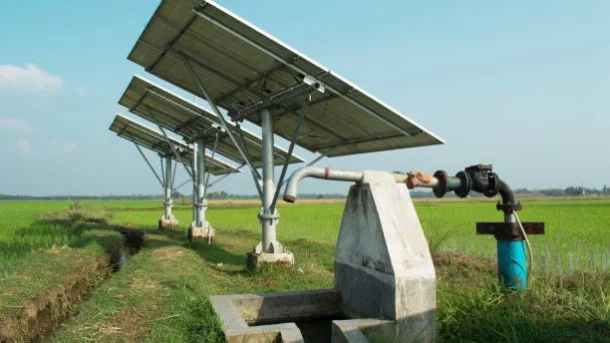
The “Pradhan Mantri Kisan Urja Suraksha evam Utthaan Mahabhiyan” (PM-KUSUM) project is one government initiative that promotes the use of solar pumps for irrigation in India. A government program called the Pradhan Mantri Kisan Urja Suraksha evam Utthaan Mahabhiyan is carried out by the Indian Ministry of New and Renewable Energy.

The PM-KUSUM scheme’s primary goals and measures typically consist of:

Promotion of Solar Pumps: By giving farmers financial assistance, the program hopes to encourage the use of solar pumps for irrigation. It promotes the setting up of solar pump manufacturing facilities, the installation of independent solar pumps, and the solarization of current grid-connected agricultural pumps.

Financial Support: Farmers that want to install solar pumps can do so with the help of the PM-KUSUM program. It comprises financial aid or capital cost assistance to lower the initial outlay needed to buy and install solar pumps. Farmers now have more economical and convenient access to solar pumps as a result.

Replacement of Diesel Pumps: The program’s goal is to switch out diesel pumps for solar ones in order to lessen reliance on fossil fuels and support renewable energy sources. It aids in lowering carbon emissions and the negative effects of diesel-powered irrigation on the environment.

Solar pumps that are connected to the grid: The PM-KUSUM plan also encourages solarizing current grid-connected farm pumps. It encourages farmers to put up solar panels on their farmland so that they can use solar energy to run their irrigation pumps. Farmers can gain income by selling extra electricity that isn’t used by selling it back to the grid.