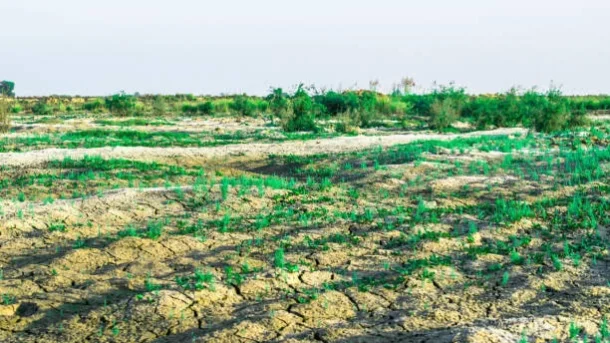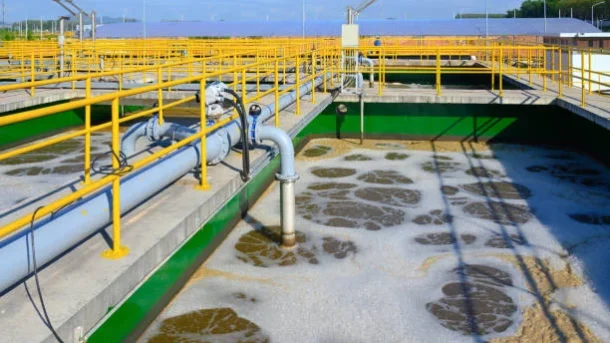
Chemical fertilizers

What are the challenges faced by farmers in adopting and implementing good agricultural practices?

good agricultural practices

Knowledge and awareness: Farmers may face serious difficulties if they lack knowledge and awareness of the advantages and methods of good agricultural practices GAPs. Many farmers might not be aware of the most recent findings and recommended procedures in sustainable agriculture, such as crop rotation, agroforestry, integrated pest management, and soil and water management methods. Farmers’ capacity to properly adopt and apply GAPs may be hindered by a lack of access to information, training, and extension services.

Adopting good agricultural practices GAPs frequently necessitates having access to resources and inputs including high-quality seeds, fertilizer, herbicides, and farm equipment. Small-scale farmers who might not have the financial resources to invest in these resources may find it difficult to get these inputs due to their limited supply or high cost.

Technical expertise: Building technical expertise and ability is frequently necessary for the implementation of good agricultural practices GAPs. Farmers must comprehend and put into practice sophisticated procedures for managing soil, integrated pest management, water conservation, and other sustainable agricultural methods. Farmers’ capacity to acquire the skills and information required for a successful adoption of GAPs may be hampered by limited access to training programs and technical assistance.

Financial restrictions: The switch to GAPs could necessitate initial investments in infrastructure, tools, and inputs. Farmers may experience financial difficulties when making these investments, particularly if the rewards are delayed or if funding is difficult to come by. Farmers may be hesitant to embrace GAPs due to a lack of financial incentives or support systems for sustainable farming techniques.
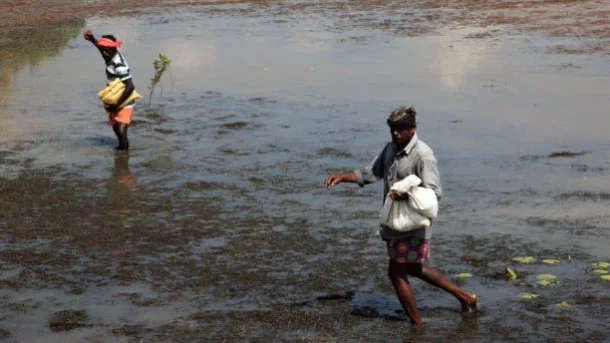
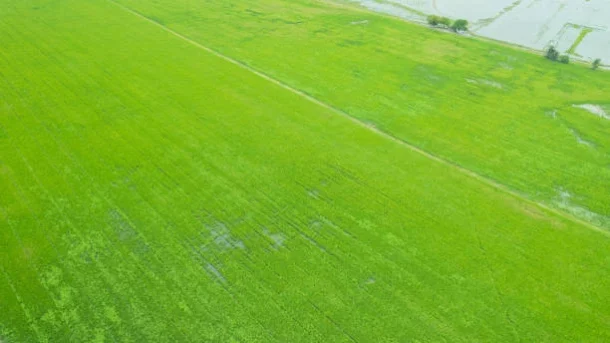
How does the depletion of natural resources, such as water and fertile land, pose challenges in agriculture?

depletion

Challenges with irrigation and water scarcity: Agriculture requires a lot of water, and as a result of resource depletion, there may be a shortage of freshwater, especially in areas that are prone to drought. Farmers encounter difficulties obtaining sufficient water for irrigation as water sources become scarcer, which has an impact on crop development and production. Additionally, as a result of water shortage, household, industrial, and agricultural sectors all compete more fiercely for water supplies.

Reduced soil fertility and degradation: Fertile land is necessary for good crop production, but its depletion can happen as a result of unsustainable farming methods, such as overusing chemical fertilizers, having poor soil management, eroding land, and cutting down trees. Farmers struggle to preserve soil fertility on damaged or lost fertile land, which negatively affects crop productivity and the environment.

Agriculture depends on ecological services including nutrient cycling, natural pest control, and pollination, all of which depend on biodiversity. Natural resource depletion can cause habitat loss, fragmentation, and degradation, which will reduce biodiversity and impair ecosystem processes. Without these ecosystem services, farmers could be forced to rely more on artificial inputs, like chemical pesticides and fertilizers, to make up for the loss of natural processes, which would increase their dependency on them and increase their costs as well as the risk to the environment.

Climate change effects: Agriculture is more susceptible to the effects of climate change as a result of the depletion of natural resources. The availability and timing of water for irrigation are impacted by water scarcity and variations in precipitation patterns.

How does the absence of effective policies and regulations impact sustainable and responsible agriculture?

policies

Environmental degradation: Protecting the environment and fostering sustainable agriculture practices depend heavily on effective rules, regulations and policies. Lack of laws can lead to the dominance of unsustainable farming methods such the excessive use of chemical fertilizers and pesticides, poor waste management, deforestation, and overuse of natural resources. This can undermine the long-term viability of agriculture by causing soil erosion, water pollution, biodiversity loss, and ecosystem deterioration.

Absence of incentives for sustainable practices: Policies and rules can offer farmers encouragement and support to adopt sustainable and ethical farming methods. Farmers could lack the drive or resources to invest in sustainable technologies, conservation techniques, or organic farming practices in the absence of effective policies. Lack of incentives can limit the use of sustainable practices and prevent their adoption.

Weak enforcement and compliance: Policies and regulations may be in place, but they are only as good as the systems in place for enforcing and monitoring compliance. Non-compliance with sustainable farming practices may go unnoticed in the absence of efficient enforcement. The efforts of ethical farmers who follow sustainable farming methods can be hampered by lax enforcement since they may be subject to unfair competition from those who disregard environmental laws. As a result, the playing field may become unlevel, which may deter farmers from making sustainability investments.

Public health and food safety are at risk, and policies and laws are crucial to preventing these threats. Without strong laws, using dangerous agrochemicals, handling and storing food incorrectly, and having insufficient monitoring and inspection procedures can all endanger customers. Inadequate rules could also result in the

How does the limited availability of credit and financial services affect farmers’ ability to invest in their operations?

invest

Lack of Investment Capital: Farmers must have access to loans in order to make necessary improvements to their enterprises. Purchases of top-notch seeds, fertilizers, insecticides, and cutting-edge agricultural technology and equipment may be included in these invest. Without enough money, farmers could be unable to implement new techniques or modernize their methods, which would result in poorer production and output.

Limited Expansion and Diversification: A lack of credit may prevent farmers from diversifying their livestock and crops or growing their agricultural enterprises. Increased income potential and economies of scale might result from expanding enterprises. Farmers who diversify their operations can better manage risk and capitalize on changing market demands. However, without finance, farmers could only be able to plant low-value crops or be forced to practice subsistence farming.

Climate Resilience: Agriculture now faces greater uncertainty due to climate change. In order to implement climate-resilient measures like irrigation systems, rainwater gathering, and drought-resistant crop varieties, farmers need financial resources. Their capacity to adjust to changing climatic conditions and lessen the effects of catastrophic weather events may be hampered by a lack of credit.

Limited Technology Adoption: Farmers must have access to funding in order to invest in cutting-edge agricultural innovations and technology. This covers remote sensing technology, data-driven decision-making systems, and precision agricultural equipment. These innovations can increase production, consume fewer resources, and reduce waste in agriculture. However, farmers might not be able to buy these technology without financial assistance.

How does the fluctuating prices of agricultural commodities affect farmers’ income and livelihoods?

income

Income Unpredictability: Varying prices have a direct impact on farmers’ income levels and can cause income unpredictability. Farmers’ livelihoods may benefit when commodity prices are high because they can generate larger earnings and profits. In contrast, when prices fall, farmers may have less revenue, making it difficult to pay for production costs, settle debt, and cover living expenditures.

Profit Margin: Price changes have an impact on farmers’ profit margins. Increased profit margins from higher commodity prices can encourage farmers to spend more on farm supplies, technology, and infrastructure improvements. On the other hand, lower prices may reduce farmers’ capacity to reinvest in their operations or make the necessary upgrades.

Market Risks: Varying pricing expose farmers to market risks. Rapid price changes can jeopardize the stability of the market and make it more difficult for farmers to forecast and manage their future income. Farmers may experience difficulties negotiating lucrative contracts, hedging against price risks, or timing their sales.

Cost of Inputs: Changes in the price of agricultural commodities can also affect the price of inputs like seeds, fertilizer, and equipment. Input costs typically increase along with rising commodity prices. Due to the need to spend more on inputs while receiving lower prices for their products, this might further reduce farmers’ profit margins.

How is the lack of access to affordable and reliable agricultural inputs hindering farmers’ productivity?

lack of access

Limited Access to High-Quality Seeds: High agricultural yields and crop resilience depend on the use of high-quality seeds. However, a lot of small-scale farmers, especially in developing nations, find it difficult to get hold of high-quality seeds that are tailored to their regional requirements. The ability of farmers to increase agricultural yield and adjust to shifting environmental conditions is constrained by a lack of access to superior varieties and dependable seed sources.

Insufficient access to nutrients and fertilizers: Fertilizers are crucial for improving soil fertility and restoring missing nutrients. However, farmers find it challenging to access and use fertilizers efficiently due to their high cost and restricted availability in far-off locations. nitrogen deficits, soil deterioration, and decreased crop yields can result from inadequate access to fertilizers and nitrogen inputs.

Limited Access to High-Quality Seeds: High agricultural yields and crop resilience depend on the use of high-quality seeds. However, a lot of small-scale farmers, especially in developing nations, find it difficult to get hold of high-quality seeds that are tailored to their regional requirements. The ability of farmers to increase agricultural yield and adjust to shifting environmental conditions is constrained by a lack of access to superior varieties and dependable seed sources.

Insufficient access to nutrients and fertilizers: Fertilizers are crucial for improving soil fertility and restoring missing nutrients. However, farmers find it challenging to access and use fertilizers efficiently due to their high cost and restricted availability in far-off locations. nitrogen deficits, soil deterioration, and decreased crop yields can result from inadequate access to fertilizers and nitrogen inputs.

How does the use of pesticides and chemical fertilizers pose environmental and health concerns?

pesticides

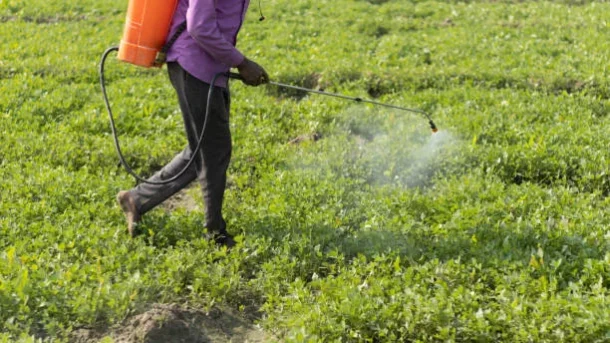
Pesticides and chemical fertilizers may discharge into surface water bodies or leach into groundwater, contaminating the water. Fish, amphibians, and other aquatic species may suffer as a result of this contamination.

Using chemical fertilizers excessively can cause soil deterioration and nutritional imbalances. These fertilizers may enter neighboring water bodies through runoff from nearby farmland, leading to eutrophication and upsetting aquatic ecosystems.

Loss of biodiversity and non-target species: Pesticides may unintentionally affect non-target species such beneficial insects, birds, and pollinators. This can cause natural equilibrium to be upset and biodiversity to disappear.

Pesticide Resistance: Using pesticide frequently can cause bugs to become resistant to them. This calls for the use of more potent or other pesticides, starting a cycle of rising chemical usage and potential environmental damage.

What are the challenges associated with soil erosion and degradation in the agricultural sector?

soil erosion

The nutrient-rich topsoil layer, which is essential for plant growth, is lost due to soil erosion. The reduction in soil fertility caused by topsoil loss lowers crop output and increases reliance on synthetic fertilizers.

Reduced Water Infiltration and Water Holding Capacity: The capacity of eroded soils to absorb and hold water is reduced. Reduced soil moisture availability for plant uptake, increased surface runoff, and decreased water infiltration are the results of this. It may cause crops to run out of water and intensify the effects of drought.

Reduced Soil Organic Matter: The organic material in the topsoil is frequently removed by erosive processes, despite the fact that this material is crucial for soil structure, nitrogen cycling, and water-holding capacity. Low quantities of organic matter lead to unfavorable soil properties, decreased soil fertility and increased erosion susceptibility.

Decline in Soil Structure and Aggregation: Erosion ruins soil aggregates and disturbs soil structure. This has a negative effect on plant growth because it affects soil porosity, hinders root infiltration, and restricts air and water circulation.

What are the advancements in agricultural waste management and circular economy practices?

agricultural waste

Anaerobic digestion is a technique that can turn agricultural waste into sustainable energy sources, including crop residues, animal manure, and byproducts of the food processing industry. This waste is utilized in biogas facilities to create biogas, which can be used to generate power, heat homes, or as a biofuel for automobiles. Anaerobic digestion produces digestate, an organic fertilizer that is nutrient-rich.

Composting and the creation of organic fertilizers: Composting is a method that is frequently used to manage agricultural waste. Organic wastes including agricultural residues, plant trimmings, and animal manure are transformed into nutrient-rich compost through controlled decomposition. The use of this compost as a soil amendment will enhance soil structure and fertility while decreasing the demand for artificial fertilizers.

Recovery and Recycling of Nutrients: Recovery and recycling of nutrients from agricultural waste is made possible by nutrient recovery technologies, such as nutrient extraction and nutrient capture from waste streams. These recovered nutrients can be utilized on farms to lessen dependency on synthetic fertilizers or converted into commercial fertilizers. This strategy lessens nutrient discharge and closes nutrient cycles, reducing water pollution.

Crop stalks, husks, and pruning’s are examples of agricultural wastes that can be used for the generation of biomass and bioenergy. Biomass can be burned directly to provide heat and power or processed into biofuels like ethanol and biodiesel. Farmers may decrease waste, balance their use of fossil fuels, and contribute to a more sustainable energy sector by using agricultural wastes to produce bioenergy.

How is the use of remote sensing and GIS being applied in crop monitoring and management?

sensing

Crop Health Assessment: The health and vigor of a crop can be evaluated using remote sensing techniques like satellite imaging and aerial surveys. Farmers and agronomists can spot fields that might be under stress, have nutrient deficits, or have pest and disease outbreaks by examining vegetation indices obtained from satellite data, such as the Normalized Difference Vegetation Index (NDVI). Targeted actions like modifying irrigation, providing fertilizer, or putting in place pest control measures are made easier with the aid of this information.

Crop yield estimation and forecasting are made possible by the combination of remote sensing data with crop modeling methods. Farmers and decision-makers can forecast crop output potential by continuously observing variables including vegetation growth, canopy density, and chlorophyll content. This knowledge aids in

Remote sensing is extremely important in the assessment and management of water resources for agricultural use. Remote sensing aids farmers in streamlining irrigation schedules and increasing water use effectiveness by tracking soil moisture content, evapotranspiration rates, and indicators of water stress, such as the Water Stress Index (WSI). It makes it possible to undertake precision agriculture, ensuring that crops have access to water while reducing waste.