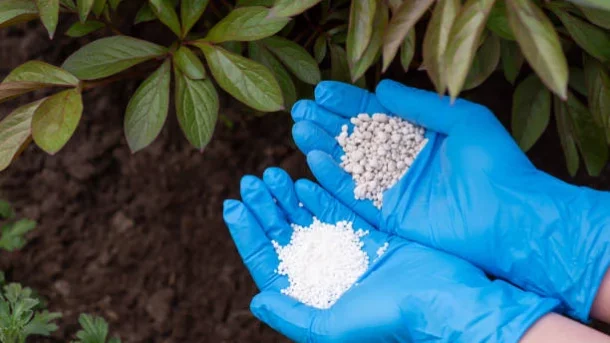
Chemical fertilizers

Can biofertilizers be used in organic farming?

organic farming

Yes, biofertilizers are a staple of organic agriculture practices and are frequently utilized in organic farming. Organic farming attempts to support ecological harmony, reduce the use of artificial chemicals, and concentrate on ecologically beneficial and sustainable operations. Biofertilizers, which are organic in nature and depend on helpful microbes to improve soil fertility and boost plant growth, are in line with these concepts.

Why biofertilizers are appropriate for organic farming is as follows:

Non-hazardous and Environmentally Friendly: Biofertilizers are created from organic materials or living microorganisms and do not contain hazardous or synthetic chemicals. They present a negligible threat to water contamination, environmental pollution, and harm to beneficial creatures.

Enhancement of Nutrients: Through procedures including nitrogen fixation, phosphorus solubilization, and potassium mobilization, biofertilizers help to boost nutrients in the soil. They contribute to increasing the soil’s fertility and sustainably supplying plants with vital nutrients.

Improved Soil Health: Biofertilizers encourage the growth of a robust and diversified soil microbial community, which improves nutrient cycling, organic matter breakdown, and overall soil health.

Resource conservation: Biofertilizers promote resource efficiency, lessen reliance on chemical fertilizers, and help preserve natural resources for future generations.

Reduced Greenhouse Gas Emissions: Using nitrogen-fixing biofertilizers can aid in lowering greenhouse gas emissions caused by the manufacture and application of synthetic nitrogen fertilizers.


How are biofertilizers produced?

biofertilizers produced

Biofertilizers are created using a number of meticulously controlled procedures that involve the culture and expansion of a select group of advantageous microorganisms. The following steps are commonly included in the manufacturing of biofertilizers produced:

The first phase in the microbe selection process is to locate and choose the particular strains of microorganisms that have the features necessary for nitrogen fixation, phosphorus solubilization, or other advantageous processes. The majority of these strains are native to the area or develop naturally there.

The appropriate strains are extracted from their natural sources, such as soil, plant roots, or nodules, and then grown in pure cultures. To guarantee genetic stability and consistency in their characteristics, the separated microbes are subsequently cultured in pure culture.

Culture Media Preparation: A good, nutrient-rich culture medium is necessary for the synthesis of biofertilizer.

To create an inoculum of biofertilizers produced, a tiny amount of the pure microbial culture is added to a larger culture vessel that already has the culture medium prepared. This first culture acts as the beginning culture or inoculum for the generation of biofertilizer.

Fermentation: In a controlled setting, such as a fermenter or bioreactor, the inoculum is allowed to develop and grow. The bacteria quickly multiply and take nutrients from the culture media during fermentation.

Harvesting the biomass: The microbial biomass is removed from the culture medium once the fermentation process is finished and it has reached the desired concentration. Centrifugation, filtration, and sedimentation are just a few of the different techniques that can be employed to separate biomass.

What are the challenges associated with using biofertilizers?

using biofertilizers

Biofertilizers have many advantages, but there are obstacles in the way of their general implementation. The following are some of the major difficulties with using biofertilizers:

Effectiveness and Consistency: Depending on factors including crop variety, soil type, and climate, biofertilizers’ efficacy can vary. It can be difficult to guarantee consistent performance across many situations.

Biofertilizer contain living microorganisms, and as a result, their viability might deteriorate with time. Their effectiveness must be preserved by keeping correct storage conditions and guaranteeing an adequate shelf life.

To guarantee constant performance and trustworthy results, high-quality and standardized biofertilizer production is important. It can be difficult to ensure quality control during production, especially for smaller-scale producers.

Compatibility with Chemical Inputs: Chemical fertilizers, insecticides, and other agricultural techniques may occasionally have a negative impact on the life and effectiveness of biofertilizers. Consideration must be given to proper integration and compatibility with other inputs.

Cost and Affordability: Compared to chemical fertilizers, the manufacture and distribution of biofertilizers might be more expensive. This may make them less accessible, especially for smallholder farmers who may have less financial means.

Lack of Knowledge: Farmers may not be aware of the advantages and effective application of biofertilizers. To promote its acceptance, adequate education and awareness efforts are required.

Are biofertilizers safe for the environment and human health?

safe

Yes, as long as they are used properly and in accordance with suggested criteria, biofertilizers are generally safe for the environment and human health. Here are some explanations for why biofertilizers are thought to be secure:

1. Non-hazardous and Biodegradable: Biofertilizers are created from organic materials or living microorganisms and do not contain hazardous or synthetic chemicals. They don’t leave any toxic residues in the soil or water as a result, and they decompose naturally over time.

2. Lessened Environmental Pollution: Unlike chemical fertilizers, which, when used excessively or poorly, can result in water pollution and environmental damage, biofertilizers have a lesser risk of doing so. They encourage the balanced use of nutrients and lessen nutrient runoff and leaching, hence lessening the detrimental effects on ecosystems and water bodies.

Enhancement of Soil Fertility: Biofertilizers improve soil fertility, supporting long-term agricultural sustainability. A diversified microbial population found in healthy soils makes them more resistant to environmental stress and better suited to fostering plant growth.

4. Lessened Greenhouse Gas Emissions: Some biofertilizers, such as nitrogen-fixing biofertilizers, can lessen the need for chemical fertilizers based on nitrogen, which are linked to significant emissions during their production and use and contribute to greenhouse gas emissions (e.g., nitrous oxide).

5. Safe for Farmers: Unlike chemical fertilizers, which can be dangerous if not handled properly, biofertilizers generally represent less health concerns for farmers to handle.

How do biofertilizers improve soil fertility?

soil fertility

Through diverse processes that increase nutrient availability, encourage nutrient cycling, and stimulate the development of advantageous microorganisms, biofertilizers increase soil fertility. The following are some ways that biofertilizers increase soil fertility:

In the case of nitrogen-fixing biofertilizers, certain microorganisms are present that are able to fix atmospheric nitrogen as well as solubilize insoluble forms of nutrients like phosphorus, potassium, and sulfur. These procedures transform inaccessible nutrients into plant-absorbable forms, increasing their bioavailability and accessibility in the soil.

Recycling of nutrients: Biofertilizers facilitate recycling of nutrients by accelerating the breakdown of organic matter in the soil. Complex organic molecules are broken down into simpler forms during the decomposition process, releasing nutrients that plants can utilize. Biofertilizers also enhance the recycling of plant waste.

Auxins, cytokinins, and gibberellins are a few examples of the growth-promoting compounds produced by some biofertilizers, such as plant growth-promoting rhizobacteria (PGPR). These elements increase nutrient uptake, promote root growth, and enhance plant health and vigor.

Enhancement of Root Growth: Biofertilizers can encourage the growth of root structures including lateral roots and root hairs, which expands the area that can be used to absorb nutrients. Plants are better able to absorb nutrients as a result.

Suppression of disease: Some biofertilizers, such as mycorrhizal fungi, can aid in the suppression of soil-borne pathogens and plant illnesses. Mycorrhizal fungi and plant roots work together to form a symbiotic relationship that increases plant resistance to diseases and decreases the need for chemical fungicides.

What are the environmental benefits of using biofertilizers?

environmental benefits

Using biofertilizers as opposed to traditional chemical fertilizers has various advantages for the environment. The following are a few of the major environmental benefits of biofertilizers:

Environmental benefits of Biofertilizers are organic by nature and do not contain synthetic chemicals, which reduces chemical pollution. Their use lessens the flow of pollutants into rivers and lakes and the leaching of dangerous chemicals into groundwater. By doing this, you may safeguard aquatic habitats from eutrophication, nutrient overload, and other types of pollution while also maintaining the quality of the water.

Reduced Greenhouse Gas Emissions: The manufacturing of chemical fertilizers, especially those based on nitrogen, is energy-intensive and increases greenhouse gas emissions. By reducing the demand for chemical nitrogen fertilizers, such as nitrogen-fixing biofertilizers, nitrous oxide (N2O), a strong greenhouse gas, is released less frequently.

Improved Soil Health: Over time, biofertilizers help to improve the structure and health of the soil. They boost organic matter content, encourage the growth of advantageous microbes, and improve soil fertility, water retention, and nutrient-holding capacity. Healthy soils are better able to support sustainable agriculture and trap more carbon.

Minimized Nutrient Imbalance: Chemical fertilizers frequently cause nutrient imbalances in the soil, which can hinder plant development and cause soil degradation. In order to reduce the possibility of nutrient imbalances, biofertilizers encourage balanced nutrient uptake by ensuring that vital nutrients are available to plants in the proper amounts.

Can biofertilizers replace chemical fertilizers entirely?

chemical fertilizers

While biofertilizers have many advantages and can be crucial to sustainable agriculture, they might not always be able to completely replace chemical fertilizers. The usage of certain biofertilizers, soil conditions, crop type, and climate all affect how successful biofertilizers are. Here are some things to think about:

The most successful biofertilizers for certain nutrients, like as nitrogen and phosphorus, include those that fix nitrogen and those that solubilize phosphate. But in addition to these, plants also need micronutrients, sulfur, and potassium, which may still need to be provided by chemical fertilizers.

Application Timing and Rate: Because biofertilizers frequently release nutrients more gradually than chemical fertilizer do, this can have an impact on the availability of those nutrients to plants. Some situations require immediate nutrition availability throughout critical growth stages.

How do biofertilizers differ from chemical fertilizers?

chemical fertilizers

Chemical and biofertilizers are two different forms of fertilizers used in agriculture that have different compositions, modes of action, and effects on the environment. These are their differences:

Biofertilizers are living microorganisms like bacteria, fungi, or algae that colonize the rhizosphere (root zone) of plants and improve the availability of nutrients to the plants. Nitrogen-fixing bacteria (such as Rhizobium, Azotobacter, and Azospirillum), phosphate-solubilizing bacteria, and mycorrhizal fungi are the three most prevalent forms of biofertilizers.

Biofertilizers’ mechanism of action The microorganisms in biofertilizers work in symbiotic partnerships with plants to help them absorb nutrients. As an illustration, nitrogen-fixing bacteria supply the soil with nitrogen by converting atmospheric nitrogen into ammonium, which is used by plants. Similar processes are used by bacteria that phosphate-solubilize insoluble phosphates into soluble forms.

Biofertilizers: These are typically regarded as sustainable and friendly to the environment. By boosting beneficial microbial activity, boosting the amount of organic matter in the soil, and minimizing the need for synthetic fertilizers, they contribute to improving soil health. As a result, they aid in the preservation of soil and lessen the possibility of nutrient runoff causing water pollution.

Due to their capacity to improve soil structure and microbial activity, biofertilizers have a longer-lasting influence on soil fertility. Even after their first treatment, they can have a favorable aftereffect on succeeding crops.

Chemical fertilizers: The effect of chemical fertilizers on soil fertility is comparatively fleeting. Although they give the plants quick access to nutrients, they do not help the soil’s organic matter and structure develop over time.

How does the adoption of agtech solutions impact agricultural productivity?

agtech

The implementation of agtech (agricultural technology) solutions can significantly increase efficiency, accuracy, and decision-making in numerous facets of farming, which will increase agricultural productivity. Agtech makes use of cutting-edge technologies to improve agricultural practices overall, raise yields, decrease resource waste, and address issues faced by farmers. Following are some examples of how the use of agtech solutions affects agricultural productivity:

Agtech offers precision agricultural methods including using GPS-guided equipment and sensors to enhance nutrient application, watering, and planting. By ensuring that crops receive the proper amount of inputs and minimizing resource waste, higher yields are the result.

Data-Driven Decision Making: Agtech systems collect current information on crop health, weather trends, and soil conditions. Farmers may boost productivity by using this data-driven strategy to assist them make informed decisions about planting, fertilizing, pest control, and other management activities.

Robotics and Automated Equipment: The use of robotics and automated equipment in agriculture streamlines labor-intensive processes including planting, harvesting, and crop monitoring. Automation improves speed and efficiency of activities, which decreases human error and increases productivity.

Agtech solutions use remote sensing and imaging techniques like drones, satellite imagery, and other technology to keep an eye on vast agricultural fields. This monitoring enables the early identification of agricultural problems, enabling prompt remedial action to resolve concerns and avoid output losses.

What is the role of agricultural insurance in mitigating production risks?

agricultural insurance

For farmers and agribusinesses, agricultural insurance is essential for reducing production risks. Agriculture is always vulnerable to a range of risks, such as unfavorable weather, pests, illnesses, price swings, and market uncertainty. Crop failures, decreased yields, and financial hardship for farmers are all possible outcomes of these hazards. A safety net and financial shield against such hazards are provided by agricultural insurance, assisting farmers in recouping losses and sustaining their livelihoods. Here are some ways that agriculture insurance reduces production risk:

Weather-related Risks: Crop insurance, a popular form of agriculture insurance, provides coverage for losses brought on by unfavorable weather conditions like floods, storms, and excessive rainfall. Farmers can recover some of their investment from crop losses and lessen the financial burden of weather-related risks by paying for crop losses.

Crop Failure and Yield Loss: Crop insurance covers crop failure and yield losses brought on by outside forces such as pests, diseases, and other natural calamities that are beyond the control of the farmer. It makes sure that farmers can continue their agricultural endeavors and recover some of their losses.

Price Fluctuations: Some agricultural insurance plans, such as revenue insurance, shield farmers against market price swings. Farmers are compensated to help cover the difference and stabilize their income if market prices fall below a specific threshold.

In some circumstances, agricultural insurance may provide compensation for input expenditures, such as those associated with seeds, fertilizer, and pesticides, in the event that a crop fails. In the event of unanticipated situations, this aids farmers in recovering their expenses.