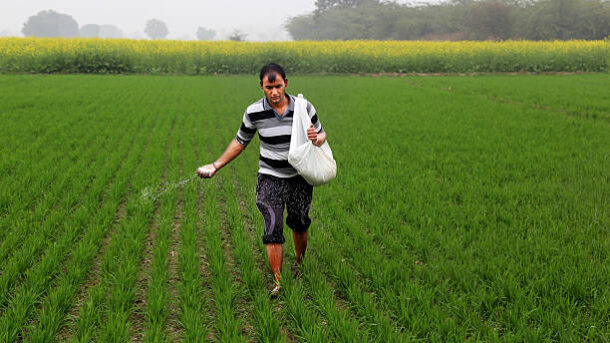
Chemical fertilizers

What is aquaponics?

aquaponics

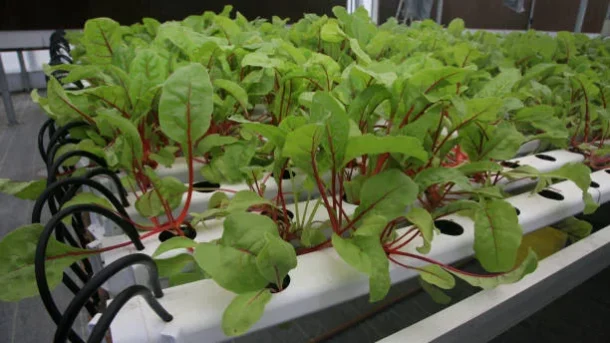
Aquaponics is a sustainable farming technique that integrates hydroponics (soilless plant cultivation) and aquaculture (fish farming) in a mutually beneficial system. In a closed-loop system, the plants serve as a natural filter to clean the fish’s water while the fish’s excrement supplies nutrients to the plants. It is a holistic and environmentally responsible method of food production.

Aquaponics’ main components and advantages include:

Aquaponics uses the nitrogen cycle to recycle nutrients in a closed-loop system. The primary source of nutrients for the plants is fish feces, and when the plants absorb the nutrients, they filter the water and remove dangerous contaminants. Aquaponics is an environmentally sustainable agricultural technique because the closed-loop system decreases nutrient runoff and reduces the need for external fertilizers.

Water efficiency: When compared to conventional agriculture, aquaponics uses a lot less water. The system continuously circulates water, with only a small amount of water being lost to evaporation and transpiration. Due to water conservation and recycling within the system, aquaponics utilizes up to 90% less water than soil-based farming.

Production of fish and plants together is possible with aquaponics, which enables the growth of both in the same system. The plants profit from the nutrient-rich water and grow without soil while the fish serve as a source of protein and earn money. A symbiotic relationship is created when fish and plants are combined in one system, which encourages effective resource use and lowers waste.

Less dependency on outside inputs: Aquaponics reduces the need for artificial fertilizers and pesticides. A natural and organic source of plant nutrients, fish excrement is rich in nutrients. Furthermore, the closed-loop system lessens the possibility of nutrient leaking and runoff, making aquaponic a sustainable and environmentally benign agricultural technique.
What is vertical farming?

What is vertical farming

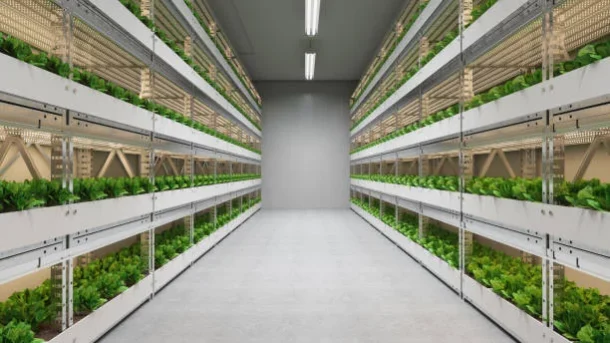
Vertical farming is a technique for growing plants in vertically stacked layers or structures, usually inside in places like warehouses, skyscrapers, or facilities made specifically for vertical farming. It entails using soilless growing media, artificial lighting, climate control, and other controlled environment agriculture (CEA) techniques to provide the best possible growing conditions for plants.

The following are some essential qualities and traits of vertical farming:

To make the most of the vertical space available, plants are cultivated in numerous stacked layers, frequently on shelves or racks. Compared to conventional horizontal farming techniques, this enables a substantially higher crop density.

Indoor farming: Vertical farming systems are frequently installed in climate-controlled indoor spaces that offer total control over variables like temperature, humidity, light intensity, and photoperiod. 

Artificial lighting systems, including light-emitting diodes (LEDs), are used in vertical farms to supply the appropriate light spectrum and intensity for photosynthesis because natural sunlight may be scarce in enclosed spaces. These lighting setups can be adjusted to a crop’s individual needs, encouraging optimum growth and development.

Hydroponics or aeroponics: Soilless growth methods like hydroponics or aeroponics are frequently used in vertical farming. While aeroponics involves suspending plant roots in the air and regularly spraying them with a nutrient solution, hydroponics includes growing plants in a nutrient-rich water solution. These techniques allow for accurate fertilizer delivery to the plants while also maximizing resource utilization and water efficiency.

How does precision agriculture help increase crop yields?

agriculture

Site-specific management: Precision agriculture collects comprehensive data about particular fields using technology like GPS, sensors, and remote sensing. These details cover crop health, soil properties, moisture content, and nutrient levels. Farmers may apply inputs (such water, fertilizer, and pesticides) precisely where and when they are required, maximizing their use and reducing waste, with the help of this data. Farmers may ensure that crops grow in the best conditions possible, increasing yields, by adjusting inputs to the unique needs of various places within a field.

Application at a variable rate: Farmers using precision agriculture can alter the pace of inputs in different parts of their fields in response to variations in the soil and crop conditions. Instead of evenly dosing insecticides or fertilizers over.

Remote sensing and images: Cutting-edge tools like drones and satellite imagery give farmers up-to-the-minute details on the health, growth, and stress levels of their crops. Farmers can identify early indications of crop illnesses, nutrient deficits, or water stress by studying this data. Farmers can take immediate action to solve these problems, reducing yield losses and maximizing crop productivity, with fast intervention and focused management strategies.

Systems for making decisions: Precision agriculture uses sophisticated systems for making decisions that combine information from many sources, including crop models, soil moisture sensors, and weather forecasts. These systems give farmers useful information and suggestions so they may choose wisely when it comes to planning irrigation schedules, managing nutrients, controlling pests, and planting techniques. Farmers may improve their methods and reduce risks by depending on data-driven decision-making, ultimately.

What is the main objective of the Interest Subvention Scheme for agricultural loans?

Interest Subvention Scheme

The Interest Subvention Scheme for Agricultural Loans’ primary goal is to assist farmers financially by lowering the cost of borrowing for agricultural endeavors. Governments or agricultural organizations often adopt the plan in order to advance agricultural growth, boost farm productivity, and enhance farmers’ general well-being.

The granting of interest rate subsidies on loans for agriculture is the centerpiece of the Interest Subvention Scheme. Under this plan, the government or the designated agency will pay for a portion of the interest on agricultural loans. Depending on the nation or region where the program is implemented, the precise percentage of the interest subsidy and other specifics may change.

Access to affordable credit: Thanks to the program, farmers can now obtain loans with lower interest rates, which lowers the cost of agricultural loans. This aids farmers in making investments in a range of agricultural endeavors, including the acquisition of seeds, fertilizers, machinery, equipment, and livestock.

A reduction in borrowing costs encourages farmers to invest in agricultural operations, such as innovative farming methods, cutting-edge technology, and enhanced infrastructure. This enhances agricultural competitiveness, production, and efficiency.

Timely payback and financial security: The program’s goal is to increase farmers’ capability to make repayments by easing their financial load. This lowers the possibility of loan defaults and improves farmers’ financial security.

Which scheme provides financial assistance for the establishment of bio-fertilizer production units?

bio-fertilizer production units

The “National Mission on Sustainable Agriculture” (NMSA) is one program that offers financial help for the building of bio-fertilizer production units in India. The Department of Agriculture, Cooperation & Farmers Welfare, Ministry of Agriculture and Farmers Welfare, Government of India, is in charge of implementing the National Mission on Sustainable Agriculture.

The Sub-Mission on Seeds and Planting Material (SMSP)’s main goals and initiatives in relation to the manufacture of bio-fertilizers typically consist of the following:

Financial Support: The program offers financial support for the creation of bio-fertilizer production units to business owners, farmer producer organizations (FPOs), and other qualifying entities. A portion of the capital investment needed for infrastructure construction, equipment acquisition, and other costs associated with the manufacture of bio-fertilizer is covered by the financial support.

The SMSP places a strong emphasis on the standardization and quality control of bio-fertilizers. For bio-fertilizer production units, it encourages adherence to quality criteria, certification specifications, and good manufacturing practices. This guarantees the creation of high-quality bio-fertilizers that adhere to the required criteria and effectively feed crops with nutrients.

Training and Capacity Building Programs: The plan includes training and capacity building initiatives for biofertilizer manufacturers. It offers technical help, training on bio-fertilizer production methods, quality control, and best practices to improve the abilities and understanding of business owners and employees involved in the manufacture of these fertilizers.

Market Promotion and connections: For bio-fertilizers, the SMSP encourages market promotion and connections. It helps biofertilizer producers interact with farmers, agricultural input suppliers, and other stakeholders in the agricultural sector, facilitating market access, branding, and market intelligence. This encourages the use of bio-fertilizers and opens up markets for bio-fertilizer goods.

What is the purpose of the National Mission on Agricultural Disaster Management (NMADM)?

Agricultural Disaster

Early Warning Systems and Preparedness: Agricultural disaster management efforts seek to improve early warning systems and disaster preparedness. This entails keeping an eye on the weather, climatic patterns, and other pertinent variables in order to forecast impending calamities that can affect agriculture and to offer prompt warnings.

Reducing risks and lessening the effects of disasters on agriculture are the main objectives of the programs. This entails putting strategies into place to increase farming systems’ resilience, such as encouraging crop diversification, water and soil conservation, the adoption of climate-resilient agricultural practices, and building infrastructure to resist calamities.

Initiatives for agricultural disaster management include provisions for emergency response and relief measures to assist impacted farmers and lessen the immediate effects of disasters. To aid farmers in recovering from the consequences of disasters, this may entail offering financial support, food supplies, seeds, fertilizer, support for livestock, and other essential inputs.

Agricultural disaster management initiatives place a high priority on the rehabilitation and recovery of the devastated agricultural sector. This include fixing broken infrastructure, assisting with the rebuilding of livelihoods, easing access to loans and insurance, and giving technical support to help farmers continue farming and reconstruct their lives.

What is the main objective of the Paramparagat Krishi Vikas Yojana (PKVY)?

Krishi Vikas Yojana

The Paramparagat Krishi Vikas Yojana (PKVY)’s primary goal is to encourage organic farming in India. The Ministry of Agriculture and Farmers Welfare introduced the PKVY program as a government initiative in 2015. The English translation of “Paramparagat Krishi Vikas Yojana” is “Traditional Farming Development Scheme”.

The following are the main objectives of PKVY:

Promote organic farming: The program’s goal is to persuade farmers to switch to organic agricultural methods and lessen their reliance on synthetic pesticides and fertilizers. It aims to promote ecologically friendly, soil-health-supporting sustainable agricultural practices.

Boost farm productivity: PKVY seeks to do this by implementing organic farming methods. These methods emphasize increasing soil fertility through the use of organic manure and compost as well as crop rotation, mixed cropping, and biological pest control strategies.

Produce certification: The program also assists farmers in securing organic certification for their output. This certification guarantees the authenticity and high caliber of organic products while facilitating farmers’ access to premium markets.

Building capacities and providing training: To assist farmers in understanding organic farming methods, managing soil health, and utilizing conventional and local resources, PKVY offers training, capacity building, and technical assistance. The program seeks to equip farmers with the information and abilities they need to successfully implement organic farming.

Which scheme provides financial assistance to farmers for the establishment of polyhouses and shade net houses?

polyhouses

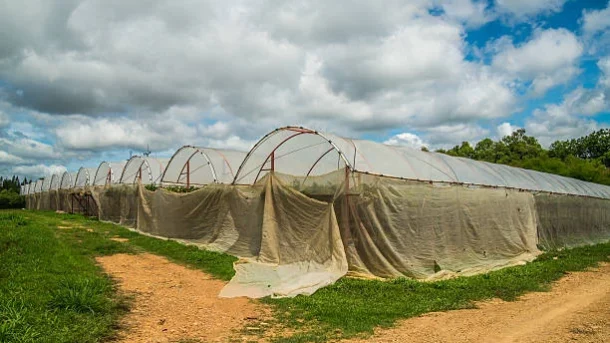
The “National Horticulture Board’s (NHB) Polyhouse and Shade Net Development Scheme” is the program that offers farmers financial support for the construction of polyhouses and shade net houses in India. This program is carried out by the National Horticulture Board, an agency of the Ministry of Agriculture and Farmers Welfare, to encourage protected farming methods in horticulture.

The Polyhouse and Shade Net Development Scheme’s salient characteristics are:

Financial support: The program offers financial assistance to farmers in the form of grants or subsidies to help them build polyhouses and shade net houses. Depending on the size of the building and the kind of horticultural crop that will be grown, different amounts of financial aid are provided.

Technical assistance and training: The program provides farmers with technical assistance and training on the building, running, and maintenance of polyhouses and shade net houses. This contains details on picking appropriate crops, watering techniques, managing pests and diseases, and making the best use of inputs like fertilizers and growth regulators.

Infrastructure development: The plan’s main objective is to build the infrastructure required to support protected agriculture. It involves the construction of shade net or cluster-based polyhouses, which offer shared services including electricity, water supply, storage, and marketing facilities to help farmers.

Building capacity: The plan places a focus on enhancing farmers’ knowledge and abilities in protected agriculture techniques by holding training sessions, workshops, and exposure tours. By doing this, farmers are able to adopt best practices and increase their yields and earnings.

Pradhan Mantri Kisan Samman Nidhi (PM-KISAN) scheme?Pradhan Mantri Kisan Samman Nidhi (PM-KISAN) scheme?

Kisan Samman

The Pradhan Mantri Kisan Samman Nidhi (PM-KISAN) scheme’s main objective is to give small and marginal farmers in India direct income support. The program provides farmers with a certain amount of cash support in an effort to address their financial needs and ease their income misery.

The PM-KISAN system has several primary goals, including:

Income support: The primary goal of the program is to directly assist farmers with their income by sending a set amount of money into their bank accounts. The money is intended to help farmers boost their income and support their agricultural endeavors.

Small and marginal farmers will benefit from the program because they may have limited resources and find it difficult to acquire finance and other financial services. It attempts to give them a dependable source of revenue to cover their agricultural costs and enhance their standard of living.

Increase agricultural productivity: By guaranteeing that farmers have a steady income, the Pradhan Mantri Kisan Samman Nidhi (PM-KISAN) scheme indirectly helps to increase agricultural productivity. It makes it possible for farmers to spend money on agricultural inputs like seeds, fertilizer, and equipment, enhancing their farming methods and crop yields.

Which government program provides subsidized seeds and fertilizers to farmers in India?

subsidized seeds and fertilizers

The “National Food Security Mission” (NFSM) is the name of the government initiative in India that offers farmers subsidized seeds and fertilizers. The Department of Agriculture, Cooperation, and Farmers Welfare, which is a division of the Ministry of Agriculture and Farmers Welfare, is responsible for implementing the NFSM, a program that is centrally financed.

Although the NFSM’s main goals are to boost food production and guarantee food security, it also includes elements for giving farmers access to subsidized seeds and fertilizers. These elements are designed to assist farmers in implementing more productive farming methods and raising crop yields.

As part of the NFSM, qualified farmers can take use of a variety of programs and initiatives, including:

The NFSM offers discounts on the purchase of high-quality, certified seeds, including hybrid and enhanced types. The financial burden on farmers is lessened by the subsidies, which also promote the use of enhanced seed varieties with higher yield potential, disease resistance, and other desirable characteristics.

Subsidized fertilizer distribution to farmers is a part of the NFSM. Through financial assistance and subsidies on fertilizers like urea, DAP (Di-ammonium Phosphate), potash, and other vital nutrients, the program encourages the balanced use of fertilizers.

While the NFSM offers subsidized seeds and fertilizers, it’s vital to remember that state-by-state variations in implementation may occur. The program can be modified by each state government according to unique demands, crop trends, and issues in the state’s agriculture industry.