Organic Inputs

How do earthworms improve soil structure and nutrient availability, making them valuable organisms in agriculture?

earthworms

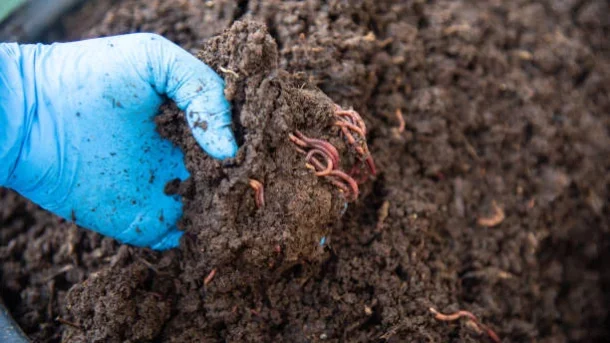
Enhancing soil structure: Because they physically change the soil environment, earthworms are referred to as ecosystem engineers. They make channels and tunnels in the soil as they dig through it, which helps the soil’s structure. In order to improve soil aeration, water infiltration, and root penetration, the burrows provide paths for air, water, and plant roots. Earthworms encourage improved root development and nutrient uptake by plants by loosening compacted soil.

Decomposition of organic matter: Earthworms feed on organic stuff, such as rotting organic waste and dead plant material. The organic stuff is broken down and blended with the soil as it moves through the earthworm digestive system. By speeding up the breakdown and mineralization of organic materials, a process known as vermicomposting, nutrients are released in readily usable forms.


Cycling of nutrients: Earthworms help the soil’s nutrient cycle. Earthworm consume organic material, bacteria, and mineral particles through their feeding activities. These substances are altered and partially broken down when they move through the digestive system of earthworms. Higher nutrient concentrations and better nutrient forms can now be absorbed by plants thanks to the excretions and castings that occur. Earthworm aid in nutrient redistribution, lowering nutrient stratification and enhancing nutrient distribution.

Earthworms play a role in the production of soil aggregates, which are collections of soil particles bound together by microbial and organic materials. The organic matter and mineral particles that earthworms mix together as they migrate through the soil to create stable aggregates. By generating pore spaces for the circulation of air and water, these aggregates strengthen the soil’s structure.

What are beneficial organisms in agriculture and why are they important?

Bees, butterflies, birds, and other pollinators are essential for flowering plants to reproduce. They make it easier for pollen to go from male to female floral components, which results in fertilization and the growth of fruits and seeds. For the reproduction of many crop plants, such as fruits, vegetables, and nuts, pollinators are crucial. Crop yields would be much lower without sufficient pollination.

Predatory insects: Pest insects that harm crops are eaten by predatory insects like ladybugs, lacewings, and predatory wasps. They serve as natural predators, reducing populations of pests including aphids, mites, and caterpillars. Predatory insects help integrated pest management (IPM) systems by preying on pests, minimizing the need for chemical pesticides and fostering sustainable pest control.

The small parasitoid wasps that lay their eggs inside or on the bodies of problem insects are known as parasitoid wasps. The host insect is consumed as the wasp larvae develop, ultimately killing it. Aphids, caterpillars, and flies are just a few of the pests that these natural enemies prey upon. Parasitoid wasp populations can be managed and effectively controlled biologically by their existence.

Beneficial soil microorganisms, including bacteria, fungus, and protozoa, are essential for the breakdown of organic matter, the cycling of nutrients, and the general health of the soil. They aid in the decomposition of organic matter, providing nutrients necessary for plant growth. Some soil bacteria also establish advantageous connections with plant roots that help the plants absorb nutrients and become more resistant to diseases and environmental challenges.

What are the issues related to land degradation and the depletion of natural resources in agriculture?

land degradation

Natural resource depletion in agriculture and land degradation are serious problems with many interrelated problems.

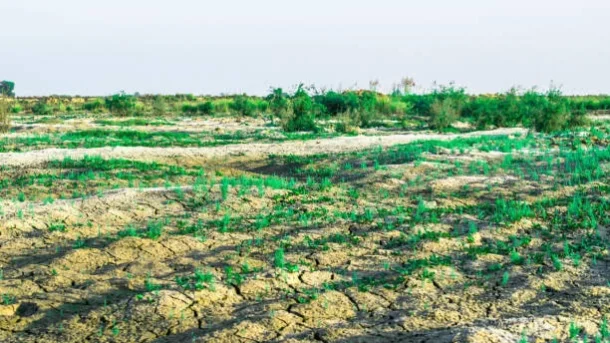
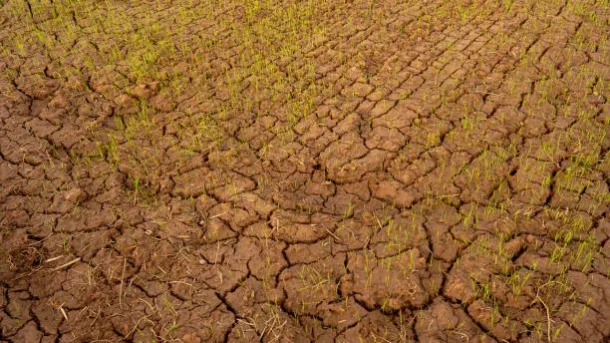
Erosion of the soil can be caused by unsustainable agricultural practices such heavy tillage, inadequate irrigation, and insufficient soil conservation measures. The topsoil layer, which is essential for nutrient retention, water infiltration, and plant growth, deteriorates due to soil erosion. It lessens agricultural output, decreases soil fertility, and raises the possibility of land degradation.

Loss of Soil Organic Matter: The depletion of soil organic matter can be brought on by ongoing farming, bad land management techniques, and excessive use of synthetic fertilizers. In soil structure, nutrient cycling, moisture retention, and carbon sequestration, soil organic matter is crucial. Due to its loss, soil fertility is decreased, soil structure is weakened, and the susceptibility of land.

Water shortage and Pollution: Water shortage is a result of unsustainable agricultural practices such excessive water consumption, ineffective irrigation systems, and poor water management. Aquifers can be depleted and water availability for agriculture and other industries reduced as a result of excessive water use. Additionally, agricultural runoff that is polluted by pesticides, fertilizers, and sediments can impact aquatic ecosystems and human health by contaminating water sources.

How does the limited access to affordable and environmentally friendly farm inputs hinder sustainable agriculture?

farm inputs

Sustainable agriculture may be hampered by the restricted availability of inexpensive and ecologically acceptable farm inputs in a number of ways:

Restricted Adoption of Sustainable Practises: Environmentally friendly inputs including organic fertilisers, biopesticides, and biological control agents are frequently needed in sustainable agriculture. Farmers may, however, turn to traditional inputs that might have detrimental environmental effects, including synthetic fertilisers and chemical pesticides, if these inputs are not easily accessible or reasonably priced. Farmers’ inability to adopt and put into practise sustainable practices is hampered by limited availability to sustainable inputs, which jeopardises agriculture’s overall sustainability.

Degradation of the soil and nutrient imbalance: Sustainable agriculture emphasises the need of preserving the fertility and health of the soil. Farmers may, however, significantly rely on synthetic fertilizers if they don’t have access to inexpensive organic fertilizers and soil amendments.

Increased Production prices: Compared to conventional inputs, environmentally friendly inputs like organic fertilizers or biological pest control agents may have higher upfront prices. Farmers’ production costs may rise as a result of limited access to inexpensive solutions, making sustainable practices unprofitable. The adoption of sustainable farming practices by farmers may be discouraged as a result, and the shift to more environmentally friendly production systems may be hampered.

Dependence on External Inputs: A cycle of dependence on external inputs can be sustained by limited availability to inexpensive and sustainable farm inputs. Due to increased reliance on pricey synthetic fertilisers, toxic pesticides, and other external inputs, farmers may experience greater production costs, decreased profitability, and increased market vulnerability. Additionally, it hinders the capacity of farmers to build resilience and self-sufficiency within their farming systems.

How does the absence of supportive policies and incentives hinder the adoption of sustainable farming practices?

policies

High expenses and financial risks: Investing in infrastructure, tools, and training up front is frequently necessary for sustainable farming techniques. Farmers may have financial obstacles in implementing these methods in the absence of supportive policies and incentives. Particularly for small-scale farms with limited resources, the absence of accessible inexpensive loans or financial support can deter farmers from making the essential investments.

Lack of technical expertise: Adopting sustainable farming methods frequently calls for technical expertise and training. Without enabling policies, farmers may only have limited access to consulting services, extension services, and training programs. Farmers may not be aware of the advantages or lack the skills necessary to adopt sustainable practices efficiently due to this lack of information and assistance, which can make it difficult for them to grasp and put them into practice.

Uncertain market opportunities: Adapting crop selection, production techniques, or certification procedures may be necessary for sustainable farming practices. Farmers may be unsure of the market demand for sustainably produced commodities or the economic sustainability of switching to sustainable methods in the absence of supportive regulations and market incentives. Farmers may be deterred from making the necessary adjustments by this uncertainty because they may worry about having limited market access or receiving low returns on their investments.

Limited availability of inputs and resources: In order to undertake sustainable farming, it is frequently necessary to have access to particular inputs and resources, such as organic fertilizers, biological pest control techniques, or better seeds. These resources might be more difficult for farmers to get or more expensive in the absence of supportive policies.

How does the lack of awareness and education about sustainable farming practices hinder progress in the sector?

sustainable farming

Resistance to change: Without knowledge of and instruction in sustainable farming methods, farmers could not understand the advantages and significance of implementing sustainable practices. They might still rely on antiquated, ineffective methods that could be damaging to the environment. Lack of knowledge can lead to resistance to change, which can obstruct the adoption of sustainable methods and the advancement of agricultural sustainability.

Degradation of the soil and decreased productivity: To maintain the fertility and health of the soil, it is crucial to employ sustainable farming methods such crop rotation, conservation tillage, and organic fertilizer. Farmers may continue to use extensive chemical inputs, excessive tillage, or monocropping without being aware of and educated about these practices, resulting in soil deterioration, erosion, and decreased long-term productivity.
The efficient use of water resources, the decrease of chemical inputs, and the proper management of agricultural runoff are all promoted by sustainable farming methods. This reduces water pollution and the depletion of resources. Without awareness and instruction, farmers may unwittingly use excessive amounts of agrochemicals, dispose of trash improperly, or utilize insufficient irrigation techniques that lead to water contamination. The development of ecologically sustainable agriculture might be hampered by the depletion of water resources and the polluting of water bodies caused by a lack of knowledge about sustainable water management practices.

Environmentally harmful effects: Sustainable farming methods work to reduce harmful effects on the environment, such as greenhouse gas emissions, habitat degradation, and biodiversity loss. Farmers might not be aware of the links between their farming practices and these environmental problems, though, without knowledge and education.

What are the challenges faced by farmers in adopting and implementing sustainable farming methods?

methods

Knowledge and Information Gap: A major hindrance may be a lack of understanding of sustainable farming methods. Farmers might not be knowledgeable about the advantages, strategies, or effective application of sustainable approaches. To overcome this obstacle, access to education, extension services, and information distribution is essential.

Financial Restraints: Making the switch to sustainable agricultural methods frequently necessitates a large initial investment in new technologies, machinery, organic inputs, or infrastructural upgrades. Farmers’ ability to make investments in sustainable practices may be hampered by a lack of financial resources and easy access to loans.

Farmers may be reluctant to embrace sustainable methods if they do not believe that there is enough market demand or if they are unable to get price premiums for their sustainably produced commodities. Farmers may be discouraged from switching to sustainable practices due to a lack of market incentives or lack of access to markets that value and reward sustainability.

Technical Support and Expertise: Using sustainable agricultural methods may need for technical assistance and knowledge, particularly in the beginning. Crop rotation, agroforestry, integrated pest management, soil health management, or water conservation techniques may require advice for farmers. To offer the required support, it is crucial that extension services, agronomists, and farm advisers are accessible.

What are the problems caused by unsustainable agricultural practices, such as monocropping?

monocropping

Monocropping, which involves cultivating the same crop repeatedly, causes the soil to become depleted of certain nutrients and subject to erosion. This eventually results in decreased soil fertility, decreased organic matter levels, and deterioration of soil structure.

Increased Dependence on Chemical Inputs: To sustain crop yields, monocropping frequently makes heavy use of chemical pesticides and fertilizers. It may be necessary to apply chemical inputs while cultivating a single crop continuously since it can foster the growth of pests and illnesses. This may contribute to pesticide resistance growth and environmental contamination.

Loss of Biodiversity: Because monocropping systems often have fewer plant species, there are less habitats and food sources available to birds, beneficial insects, and other organisms. By upsetting the ecological balance, decreasing the effectiveness of natural pest management, and endangering pollinators, this loss of biodiversity makes plants less resilient and more susceptible to insect outbreaks.

Monocrop fields are more vulnerable to erosion because they lack a variety of plant species and their root systems. The risk of soil erosion by wind and water, which can cause the loss of fertile topsoil and sedimentation in water bodies, is increased by the absence of ground cover.

What are the challenges associated with soil erosion and degradation in the agricultural sector?

soil erosion

The nutrient-rich topsoil layer, which is essential for plant growth, is lost due to soil erosion. The reduction in soil fertility caused by topsoil loss lowers crop output and increases reliance on synthetic fertilizers.

Reduced Water Infiltration and Water Holding Capacity: The capacity of eroded soils to absorb and hold water is reduced. Reduced soil moisture availability for plant uptake, increased surface runoff, and decreased water infiltration are the results of this. It may cause crops to run out of water and intensify the effects of drought.

Reduced Soil Organic Matter: The organic material in the topsoil is frequently removed by erosive processes, despite the fact that this material is crucial for soil structure, nitrogen cycling, and water-holding capacity. Low quantities of organic matter lead to unfavorable soil properties, decreased soil fertility and increased erosion susceptibility.

Decline in Soil Structure and Aggregation: Erosion ruins soil aggregates and disturbs soil structure. This has a negative effect on plant growth because it affects soil porosity, hinders root infiltration, and restricts air and water circulation.

What are the advancements in agricultural waste management and circular economy practices?

agricultural waste

Anaerobic digestion is a technique that can turn agricultural waste into sustainable energy sources, including crop residues, animal manure, and byproducts of the food processing industry. This waste is utilized in biogas facilities to create biogas, which can be used to generate power, heat homes, or as a biofuel for automobiles. Anaerobic digestion produces digestate, an organic fertilizer that is nutrient-rich.

Composting and the creation of organic fertilizers: Composting is a method that is frequently used to manage agricultural waste. Organic wastes including agricultural residues, plant trimmings, and animal manure are transformed into nutrient-rich compost through controlled decomposition. The use of this compost as a soil amendment will enhance soil structure and fertility while decreasing the demand for artificial fertilizers.

Recovery and Recycling of Nutrients: Recovery and recycling of nutrients from agricultural waste is made possible by nutrient recovery technologies, such as nutrient extraction and nutrient capture from waste streams. These recovered nutrients can be utilized on farms to lessen dependency on synthetic fertilizers or converted into commercial fertilizers. This strategy lessens nutrient discharge and closes nutrient cycles, reducing water pollution.

Crop stalks, husks, and pruning’s are examples of agricultural wastes that can be used for the generation of biomass and bioenergy. Biomass can be burned directly to provide heat and power or processed into biofuels like ethanol and biodiesel. Farmers may decrease waste, balance their use of fossil fuels, and contribute to a more sustainable energy sector by using agricultural wastes to produce bioenergy.