Soil

Are there different types or formulations of chemical fertilizers available?

fertilizers

Straight Fertilizers: These fertilizers only contain one main nutrient and are single-nutrient fertilizers. For instance, straight fertilizers that supply nitrogen are urea and straight fertilizers that supply phosphorus are monoammonium phosphate (MAP) and diammonium phosphate (DAP).

Compound fertilizers are those that combine two or more essential nutrients in a variety of ratios. For instance, complex fertilizers called NPKs deliver nitrogen, phosphorous, and potassium in various ratios. Based on crop needs and soil studies, the precise NPK ratio changes.

Complex Fertilizers: Complex fertilizers are similar to compound fertilizers, but they additionally include secondary and/or micronutrients. These fertilizers offer a wider range of vital components for plant growth. Examples include NPK fertilizers that have been supplemented with micronutrients like iron, zinc, or boron as well as secondary nutrients like calcium, magnesium, or sulfur.

Fertilizers with controlled release: These fertilizers are made to release nutrients gradually over an extended period of time, giving plants a steady supply of nutrients. To control nutrition release, they are frequently coated or encapsulated. Controlled-release fertilizers assist minimize environmental effects, increase nutrient usage effectiveness, and reduce nutrient losses.
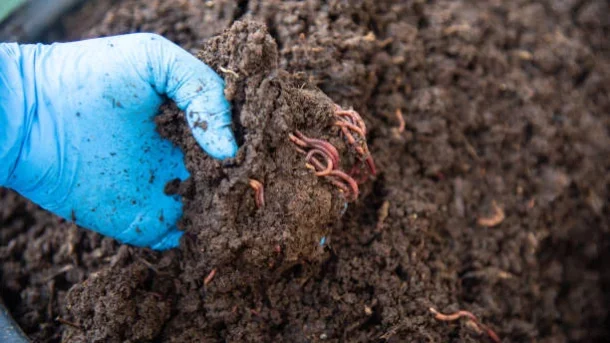
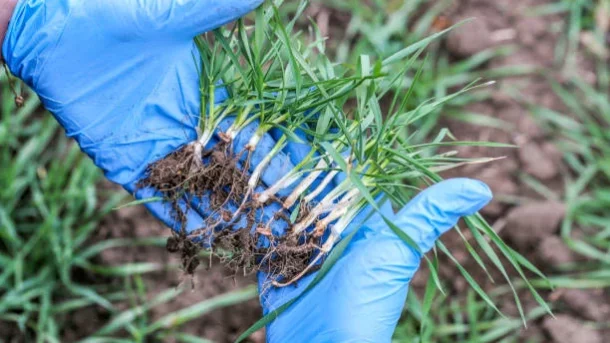
How do earthworms improve soil structure and nutrient availability, making them valuable organisms in agriculture?

earthworms

Enhancing soil structure: Because they physically change the soil environment, earthworms are referred to as ecosystem engineers. They make channels and tunnels in the soil as they dig through it, which helps the soil’s structure. In order to improve soil aeration, water infiltration, and root penetration, the burrows provide paths for air, water, and plant roots. Earthworms encourage improved root development and nutrient uptake by plants by loosening compacted soil.

Decomposition of organic matter: Earthworms feed on organic stuff, such as rotting organic waste and dead plant material. The organic stuff is broken down and blended with the soil as it moves through the earthworm digestive system. By speeding up the breakdown and mineralization of organic materials, a process known as vermicomposting, nutrients are released in readily usable forms.


Cycling of nutrients: Earthworms help the soil’s nutrient cycle. Earthworm consume organic material, bacteria, and mineral particles through their feeding activities. These substances are altered and partially broken down when they move through the digestive system of earthworms. Higher nutrient concentrations and better nutrient forms can now be absorbed by plants thanks to the excretions and castings that occur. Earthworm aid in nutrient redistribution, lowering nutrient stratification and enhancing nutrient distribution.

Earthworms play a role in the production of soil aggregates, which are collections of soil particles bound together by microbial and organic materials. The organic matter and mineral particles that earthworms mix together as they migrate through the soil to create stable aggregates. By generating pore spaces for the circulation of air and water, these aggregates strengthen the soil’s structure.

What are some beneficial nematodes and how do they help in managing plant diseases?

nematodes

This nematode species, Steinernema foliate (Feltiella), is frequently employed to manage beach flies and fungus gnats, which are pests that can harm plant roots and leaves. The S. feltiae infective juveniles enter the insect pests through cuticle penetration or natural holes. Once inside, the nematodes release bacteria that kill the insects, and the bacteria and insect tissue are subsequently consumed by the worms. This aids in lowering insect numbers and preventing potential plant harm from them.

Heterorhabditis bacteriophora (Hetero): Beetle, weevil, and caterpillar larvae are just a few of the soil-dwelling insects that H. bacteriophora is employed to biologically control. By entering the insect’s bodily cavities, the nematodes infect it with bacteria that eventually kills the host.
Steinernema carpocapsae’s (Carpo): Nematodes from this genus are employed to treat a variety of insect pests, including as fleas, armyworms, cutworms, and sod webworms. S. carpocapsae’s infectious juveniles look for their insect hosts in the soil or on plant surfaces. They penetrate the insect or enter it naturally, releasing bacteria that kill the host. Nematodes effectively lower pest populations by feeding on bacteria and insect tissue.

White grubs are harmful pests that feed on the roots of many different plants, including turfgrass and ornamentals. Glasgow nematodes, also known as Steinernema glaseri, are used to control these grubs. Infectious S. glaseri youngsters scour the dirt for white grubs before biting into them through their body holes. They discharge microorganisms that result in death.

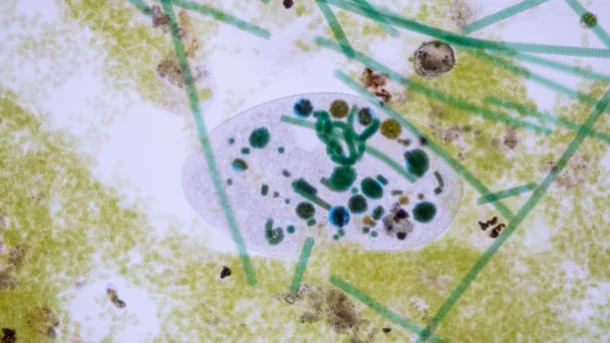
What are some examples of beneficial soil microorganisms and how do they contribute to soil health and nutrient cycling?

soil

The most prevalent type of microorganism in soil is bacteria. Among the helpful bacteria are:
In symbiotic partnerships with leguminous plants, nitrogen-fixing bacteria Rhizobium and Bradyrhizobium transform atmospheric nitrogen into a form that plants may use for growth. This biological nitrogen fixation improves soil fertility while reducing the requirement for manufactured nitrogen fertilizers.

Bacteria that solubilize phosphorus in soil: Some bacteria, including Pseudomonas and Bacillus species, may accomplish this, increasing the availability of phosphorus to plants. They help plants develop and absorb phosphorus more effectively.

Bacteria that promote plant development: Some bacteria, such as the Azospirillum and Bacillus species, can promote plant growth through a variety of methods, such as the creation of chemicals that promote growth, the mobilization of nutrients, and the suppression of disease.

Fungi: Fungi are essential for the breakdown of organic materials and the cycling of nutrients. Fungi that are useful include:
Fungal mycorrhizae: Both ectomycorrhizal (ECM) and arbuscular (AM) mycorrhizal (AM) fungi create symbiotic relationships with plant roots. They increase nutrient and water intake, notably phosphorus, by expanding the root system. Plants provide the fungal glucose in exchange. Mycorrhizal fungi boost plant stress tolerance, increase nutrient availability, and aid in soil aggregation.

Fungi that decompose material: Fungi that decompose material break down complex organic stuff, such as dead plant matter, into simpler components. This procedure improves soil structure and nutrient availability by releasing nutrients back into the soil and encouraging the production of humus.

What are beneficial organisms in agriculture and why are they important?

Bees, butterflies, birds, and other pollinators are essential for flowering plants to reproduce. They make it easier for pollen to go from male to female floral components, which results in fertilization and the growth of fruits and seeds. For the reproduction of many crop plants, such as fruits, vegetables, and nuts, pollinators are crucial. Crop yields would be much lower without sufficient pollination.

Predatory insects: Pest insects that harm crops are eaten by predatory insects like ladybugs, lacewings, and predatory wasps. They serve as natural predators, reducing populations of pests including aphids, mites, and caterpillars. Predatory insects help integrated pest management (IPM) systems by preying on pests, minimizing the need for chemical pesticides and fostering sustainable pest control.

The small parasitoid wasps that lay their eggs inside or on the bodies of problem insects are known as parasitoid wasps. The host insect is consumed as the wasp larvae develop, ultimately killing it. Aphids, caterpillars, and flies are just a few of the pests that these natural enemies prey upon. Parasitoid wasp populations can be managed and effectively controlled biologically by their existence.

Beneficial soil microorganisms, including bacteria, fungus, and protozoa, are essential for the breakdown of organic matter, the cycling of nutrients, and the general health of the soil. They aid in the decomposition of organic matter, providing nutrients necessary for plant growth. Some soil bacteria also establish advantageous connections with plant roots that help the plants absorb nutrients and become more resistant to diseases and environmental challenges.

What are the issues related to land degradation and the depletion of natural resources in agriculture?

land degradation

Natural resource depletion in agriculture and land degradation are serious problems with many interrelated problems.

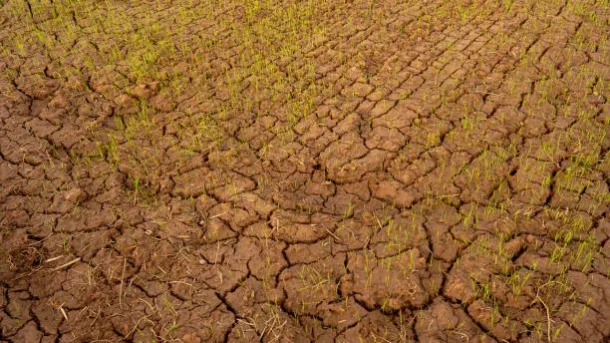
Erosion of the soil can be caused by unsustainable agricultural practices such heavy tillage, inadequate irrigation, and insufficient soil conservation measures. The topsoil layer, which is essential for nutrient retention, water infiltration, and plant growth, deteriorates due to soil erosion. It lessens agricultural output, decreases soil fertility, and raises the possibility of land degradation.

Loss of Soil Organic Matter: The depletion of soil organic matter can be brought on by ongoing farming, bad land management techniques, and excessive use of synthetic fertilizers. In soil structure, nutrient cycling, moisture retention, and carbon sequestration, soil organic matter is crucial. Due to its loss, soil fertility is decreased, soil structure is weakened, and the susceptibility of land.

Water shortage and Pollution: Water shortage is a result of unsustainable agricultural practices such excessive water consumption, ineffective irrigation systems, and poor water management. Aquifers can be depleted and water availability for agriculture and other industries reduced as a result of excessive water use. Additionally, agricultural runoff that is polluted by pesticides, fertilizers, and sediments can impact aquatic ecosystems and human health by contaminating water sources.

How does the lack of access to information and digital technologies hinder farmers’ adoption of best practices?

The adoption of best practises by farmers can be hampered in a number of ways by a lack of information and digital tools :-

Limited Information: For farmers to stay current on the most recent agricultural practices, techniques, and technology, they must have access to timely and pertinent information. Farmers might not be aware of best practices, such as improved crop types, effective irrigation systems, ways for managing pests and diseases, and methods for managing soil health, if they lack access to information.

Ineffective Decision-Making: Farmers can make well-informed decisions regarding their farming operations thanks to access to information and digital technologies. It aids them in evaluating, among other things, market trends, climatic conditions, input availability, and pricing data. Farmers’ capacity to make decisions is hampered by a lack of such information.

Limited Access to Expertise: Farmers have access to information and digital technologies for technical assistance, guidance from experts, and extension services. They enable farmers to get advice on managing crops, preventing diseases, enhancing soil fertility, and other farming-related issues. Without such access, farmers could struggle to address problems and implement best practises because they lack professional advice.

How does the limited availability of land and competition for resources impact agricultural sustainability?

Agricultural sustainability is significantly impacted by the limited land supply and competition for resources in a number of ways.

Land degradation: Due to the scarcity of arable land, agricultural activity may be expanded into remote or ecologically delicate places. This growth may accelerate land degradation, which includes habitat loss, deforestation, soil erosion, and loss of soil fertility. Agriculture’s long-term sustainability and productivity are threatened by land degradation.

Overuse of resources and intensification of production: Increasing food demand and a lack of available farmland are two factors that frequently result in agricultural output being intensified. Increased use of fertilizers, pesticides, and irrigation are some of the methods used in intensification to maximize yield from scarce land resources. Water pollution, for example, can result from the misuse or excessive usage of natural resources.

Loss of Biodiversity and Ecosystem Services: Due to a lack of available land, natural habitats like wetlands and forests may be turned into agricultural land. This conversion results in the loss of ecosystem services including pollination, pest management, soil nutrient cycling, and climate regulation, as well as biodiversity. A decrease in agricultural output, an increase in the need of synthetic inputs, and a decrease in the ability of agricultural systems to withstand environmental pressures can all result from the loss of these services.

Conflicts between multiple land uses, including agriculture, urbanization, infrastructure development, and conservation, might arise due to the limited amount of available land.

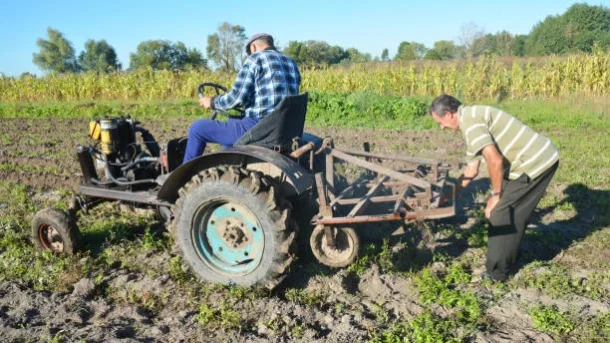
What are the challenges faced by farmers in accessing and utilizing modern agricultural machinery and equipment?

Accessing and utilizing contemporary agricultural gear and equipment presents a number of difficulties for farmers:

High Costs: The cost of purchasing, using, and maintaining modern agricultural gear and equipment can be high. For small-scale and resource-constrained farmers, the upfront investment cost frequently represents a considerable obstacle. The price of fuel, replacement parts, repairs, and maintenance can also increase the financial strain.

Limited Financial Resources: Many farmers, particularly smallholders, do not have easy access to credit or financing options that would allow them to purchase the latest in agricultural gear and equipment. They are unable to purchase the essential equipment due to their limited financial means, which forces them to rely on labor-intensive, conventional farming techniques.

Infrastructure and Connectivity: In order to function properly, modern agricultural machinery frequently needs infrastructure assistance, such as a dependable power source, enough roads and transit infrastructure, and facilities for storage or repair. Lack of infrastructure in rural areas, especially in outlying or off-grid places, can restrict the usage of machinery. Additionally, poor internet connectivity might make it difficult to use cutting-edge precision agriculture equipment and make data-driven decisions.

Adaptation to Local Farming Conditions: Modern agricultural machinery may not be ideal for local farming conditions, including soil types, crop kinds, and topography, as it is frequently developed based on standardized requirements. Farmers may find it difficult to customize or modify machinery to suit their unique demands, and doing so may not be feasible or inexpensive.

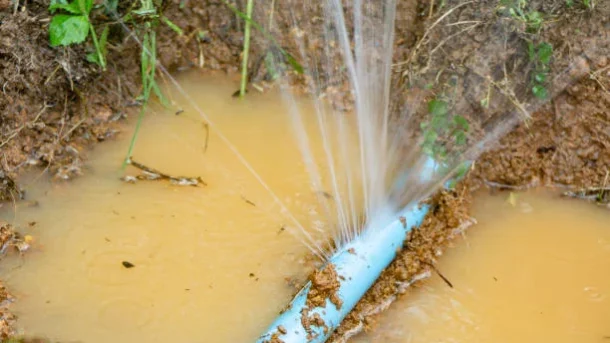
What are the problems caused by inefficient irrigation practices and water wastage in agriculture?

Competition and Water Scarcity: Inefficient irrigation techniques result in excessive water use, which causes water scarcity in agricultural zones. Competition for water among various sectors, including agriculture, industry, and home use, grows as water resources become scarce. This may limit the amount of water available for agricultural purposes and affect the region’s overall water security.

Water Source Depletion: Inefficient irrigation practices frequently involve excessive irrigation or inappropriate water management, which causes the depletion of water sources like rivers, lakes, and underground aquifers. Water tables can decline as a result of excessive groundwater extraction, which will have long-term detrimental effects on both agricultural and non-agricultural water consumers.

Soil Degradation and Salinization: Poor irrigation techniques, such as using too much or too little water, can cause the degradation and salinization of the soil. When soil becomes waterlogged from excessive irrigation, soil aeration is reduced and salt buildup in the root zone is encouraged. This has a negative impact on crop development, output, and soil fertility, which eventually lowers agricultural yields.

Energy Use and Greenhouse Gas Emissions: Using inefficient irrigation techniques frequently results in higher energy costs for pumping, distributing, and extracting water. The usage of more energy results in more greenhouse gas emissions, which fuel climate change and environmental damage. Long-term effects on sustainable agriculture may result from this, and the effects of climate change on water resources may be exacerbated.