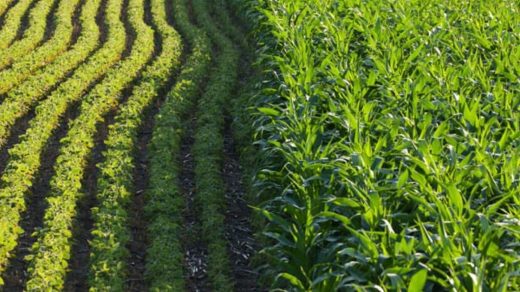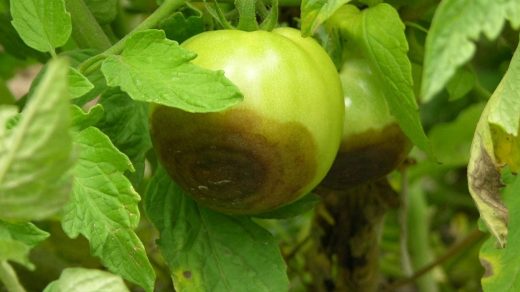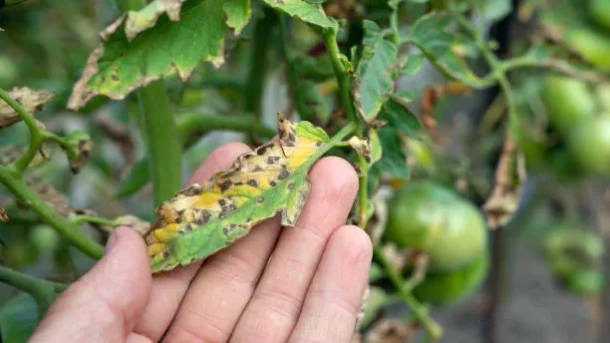
The study and comprehension of plant features and their interactions with the environment have been completely transformed by advances in plant phenotyping technologies. The following are significant developments in plant phenotyping.
High-Throughput Phenotyping: In high-throughput phenotyping, numerous plant properties are quickly and non-destructively measured. Robotics, imaging platforms, sensors, and other automated systems are used to do this. These technologies can quickly collect data from hundreds or thousands of plants, allowing scientists to more precisely and quickly analyse plant properties. Breeding programmes, genetic research, and agricultural development initiatives have all been greatly enhanced by high-throughput phenotyping.
Imaging Technologies: Imaging technologies with sophisticated plant phenotyping capabilities include hyperspectral imaging, thermal imaging, and 3D imaging. By taking pictures in a variety of spectral bands, hyperspectral imaging enables the evaluation of plant biochemical composition, stress reactions, and disease identification. Plant stress can be identified via thermal imaging, and water use efficiency can be tracked. Detailed information on plant architecture, root development, and canopy structure is available thanks to 3D imaging. These imaging techniques offer insightful information about the characteristics of plants and how they react to their surroundings.
Non-Invasive Sensors: Non-invasive sensors that don’t injure or disturb plants, such spectrometers, fluorometers, and gas analyzers, are used to detect their varied physiological and biochemical characteristics. For instance, gas analyzers and chlorophyll fluorescence sensors can both evaluate photosynthetic efficiency and stress reactions.