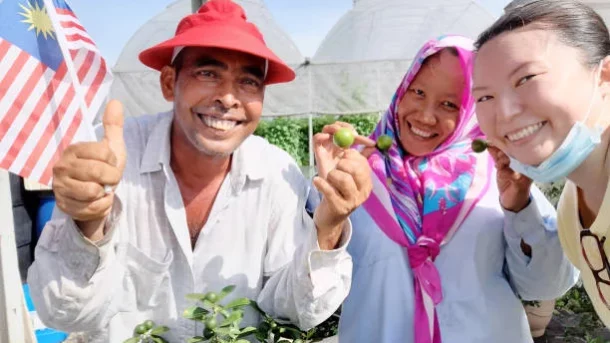
International collaborations, partnerships and cooperation are essential for advancing agricultural research and knowledge exchange. They make it easier for nations, organizations, and stakeholders to share knowledge, skills, and resources. The following are some ways that multinational alliances and partnerships advance agricultural research and information transfer:
Research collaboration: To address shared agricultural concerns, international collaborations bring together researchers from various institutions and nations. These partnerships frequently involve shared data and resources, cooperative experiments, and joint research endeavors. Researchers can more successfully address complex agricultural problems and produce novel solutions by combining their knowledge and resources.
Building Capacity: International partnerships promote capacity building initiatives by offering instruction, workshops, and technical support. Knowledge transfer and skills from more advanced agricultural research organizations aid developing nations and emerging economies. These partnerships support the development of regional research capacities, the improvement of technical skills, and the promotion of a culture of innovation and scientific inquiry.
Sharing of Data and Information International partnerships make it easier to exchange data, information, and best practices in agriculture. Researchers and institutions can gain access to and share data sets, research findings, and technical knowledge through networks and collaborations. Sharing information facilitates evidence-based decision-making, prevents duplication of effort, and improves the effectiveness and quality of agricultural researches.