Various techniques and activities are being used to promote and adopt sustainable irrigation practices. Here are some crucial strategies:
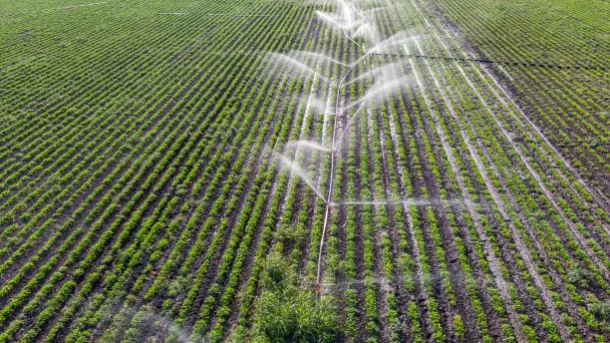
Improved Water Management: Improving farm water management is the first step in promoting sustainable irrigation techniques. Adopting techniques and technology like drip irrigation, precision watering, and micro-sprinklers that maximize water consumption efficiency is part of this. These techniques reduce evaporation and runoff by delivering water directly to the root zone of plants.
Water-Saving Technologies: Using water-saving technologies is essential for long-term irrigation. Soil moisture monitors, weather-based irrigation controllers, and automated irrigation systems are some of these technologies. With the use of these gadgets, farmers can keep an eye on the weather and soil moisture levels, allowing them to irrigate depending on the actual demands of the crop and minimizing water wastage.
Irrigation Scheduling and Crop Water Needs: Proper irrigation scheduling and crop water needs must be made clear to farmers in order to ensure sustainable irrigation. Farmers may maximize water use and reduce over-irrigation by receiving guidance and training on how to choose irrigation timing, frequency, and duration based on crop growth phases and soil conditions.
Implementing water conservation measures coupled with irrigation can help ensure the long-term sustainability of water consumption. The use of mulching to lower evaporation, improving field levelling and soil preparation to prevent water pooling, and using controlled drainage to keep water in the root zone are a few examples of these practices. It’s crucial to maintain irrigation infrastructure properly to reduce water loss from leaks and inefficiencies.