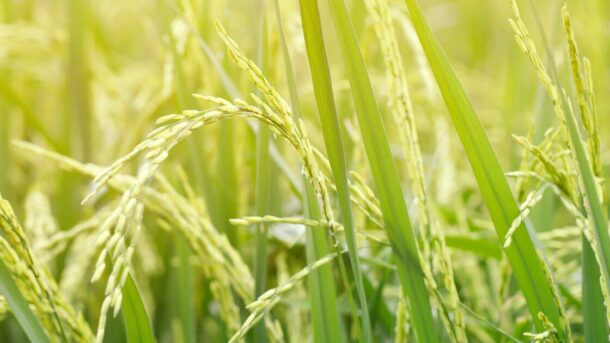
Agricultural productivity depends on the quality of seeds with which farmers sow their fields. Therefore, in order to increase crop yield on their farmlands, agrarians are recommended to sow only certified seeds that have passed all the necessary quality controls.
Certified seeds may cost higher than those that do not have certification, but the result will be worth it, because the proper quality of seeds is one of the main factors that affect crop yield. Besides that, planting only high-quality seeds represents one of the eco friendly methods to increase crop yield. If needed, a farmer can check the quality of particular seeds by referring to a relevant seed company and requesting it to conduct special trials on a given land plot.
The seed multiplication ratio is the ratio between the investment in seed versus the yield. For example, if three grains are harvested for each grain seeded, the resulting multiplication ratio is 1:3, which is considered by some agronomists as the minimum required to sustain human life. One of the three seeds must be set aside for the next planting season, the remaining two either consumed by the grower, or for livestock feed.