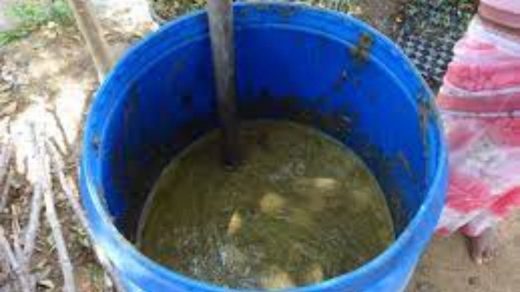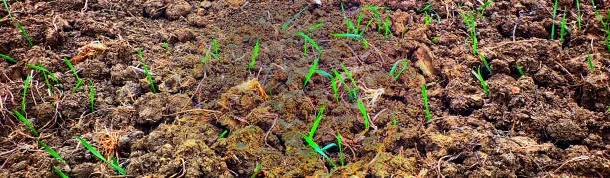
The use of biofertilizers can improve a number of aspects of the soil ecosystem, including soil fertility, microbial diversity, nutrient cycling, and plant health. The soil ecology is impacted by biofertilizers in the following ways:
Increased soil fertility: Biofertilizers, such as bacteria that fix nitrogen and bacteria that solubilize phosphate, add vital nutrients to the soil and make them more available to plants. The soil becomes more fertile as a result, which encourages stronger plant growth and higher food harvests.
a greater variety of microorganisms: Biofertilizers contain helpful microorganisms that can coexist symbiotically with plants or participate in the cycling of nutrients. These germs broaden the variety of soil microbes, encouraging the development of a healthy and robust soil microbial community.
Cycling of nutrients: Biofertilizers help in cycling of nutrients by enhancing the availability and cycling of vital elements like potassium, phosphorus, and nitrogen. As a result, the soil ecosystem uses nutrients more effectively, which lowers nutrient losses via leaching and runoff.
In order to encourage the formation of soil aggregates, some biofertilizers secrete sticky substances and engage in microbial activity. Improved water infiltration, aeration, and root penetration are all results of the addition of soil particles to the soil.
Better soil organic matter decomposition: Some biofertilizers contain microorganisms that speed up the soil’s organic matter breakdown. By accelerating the breakdown of organic waste and plant remains, humus is produced and the soil is enriched with organic nutrients.