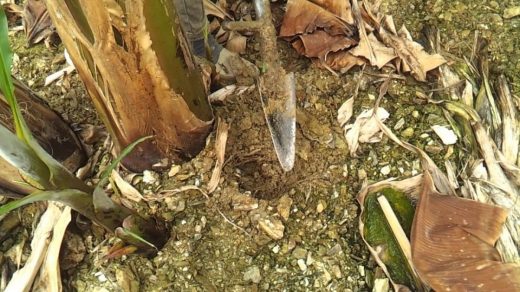
Specific bacterial strains, including Rhizobium, Azotobacter, and Azospirillum, are found in nitrogen-fixing biofertilizers. These bacteria have the capacity to change atmospheric nitrogen (N2) into a form that plants can use, often ammonia (NH3) or nitrate (NO3-). Since nitrogen is a vital component needed for many biological activities, including protein synthesis and cell division, this procedure, known as nitrogen fixation, is necessary for plant growth.
How nitrogens-fixing biofertilizers function is as follows:
Colonization of plant roots: The soil must first be amended with bacteria that fix nitrogens. With some plants, mainly leguminous ones like peas, beans, lentils, and clover, these bacteria create a symbiotic connection. For instance, the bacteria Rhizobium produce nodules when they form a mutualistic interaction with the roots of legumes.
Nodule formation: The nitrogen-fixing bacteria cause nodules to develop on the roots of the host plant. The nitrogens fixation process takes place in these nodules, which act as specialized structures. The bacteria thrive and reproduce inside the nodules, receiving carbohydrates and other nutrients in exchange from the plant.
Nitrogen fixation: The bacteria that fix nitrogens have an enzyme called nitrogenase that helps turn atmospheric nitrogens (N2) into ammonia (NH3) inside the nodules. This is a very energy-intensive process that needs the plant to provide a significant quantity of energy in the form of sugars.
Ammonia assimilation: The plant uses the ammonia that the nitrogen-fixing bacteria have created to synthesize numerous nitrogens-containing substances, including proteins and amino acids. These substances are necessary for the plant’s growth and development.
Enhanced plant growth: Nitrogen-fixing biofertilizers boost the nitrogens availability of plants by capturing atmospheric nitrogens and supplying it to them, which fosters better growth, higher biomass, and better crop yields.