Within the larger food supply chain, the agriculture market has close relationships with other industries, such as food processing and retail. The production, transformation, and distribution of agricultural products to consumers all depend on this interwoven interdependence. The agricultural market interacts with other sectors in the following ways:
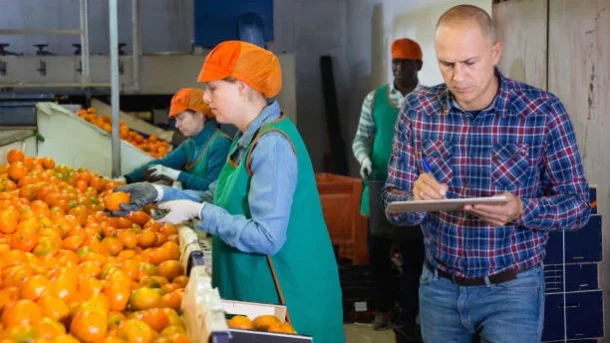
Food processing: The agricultural market provides the food processing industry with raw agricultural products such cereals, fruits, vegetables, cattle, and other produce. These basic materials are converted into processed, value-added food items by food processing businesses. This covers processes including grinding, canning, freezing, packaging, and food preservation.
Distribution and Supply Chain: The food supply chain begins in the agricultural market. After being harvested or produced, agricultural products pass via a number of distribution channels, including wholesalers, distributors, and logistics companies, before being processed or sold by food processors and retailers.
Following the foods processing stage, agricultural goods are packed and delivered to retail establishments including supermarkets, grocers, and specialized food stores for consumer sales. Consumers can acquire these things through retailers.
Price negotiations: Agricultural producers bargain with retailers and food processors on the costs of their goods. Quality standards, market conditions, and supply and demand may all have an impact on these conversations.
Consumer Demand and Trends: The agriculture industry adapts to changes in consumer demand and trends.