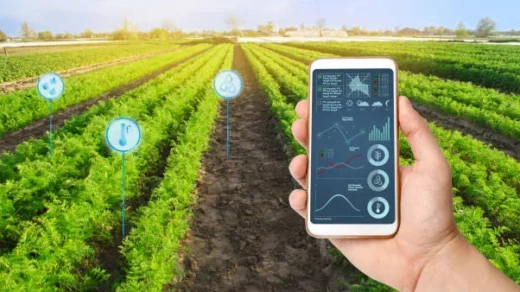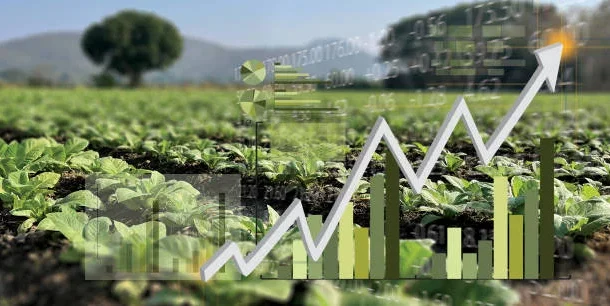
Market trends are being significantly impacted by the growing interest in regenerative agriculture as consumers, farmers, businesses, and governments increasingly grasp the potential advantages of this agricultural method. Regenerative agriculture concentrates on boosting biodiversity, restoring soil health, and sequestering carbon in an effort to build more resilient and long-lasting agricultural systems. The following are some ways that market patterns are being affected by the interest in regenerative agriculture:
Consumer Interest in Food Products Produced utilizing Regenerative Practices is Growing: There is an increase in consumer demand for products made utilizing regenerative techniques. As a result of this demand, food businesses and retailers are sourcing and promoting regenerative goods, expanding the market’s options.
Premium Pricing and Labeling: Due to their alleged benefits for the environment and human health, regenerative products frequently attract premium prices. Companies are increasingly branding their goods as “regenerative” in an effort to draw in customers who care about the environment and are willing to pay more for sustainability.
Change in Supply Chain Procedures: In order to get products from regenerative farms, food manufacturers and merchants are reexamining their supply chain procedures. Changes in sourcing practices and supplier contract requirements are being driven by this transition.
Investment in Research and Development: As regenerative agriculture has gained popularity, there has been an increase in funding for research and development with the goal of identifying and putting into practice the best techniques for enhancing ecosystem services, enhancing soil health, and boosting production.