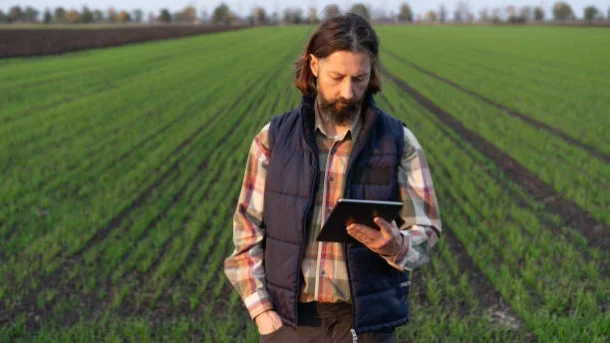
Limited understanding of best practices: Farmers must have access to information to stay current on new agricultural methods, best practices, and market trends. Farmers might not be aware of new technologies, improved farming practices, or efficient pest management techniques if they lack access to information. They may be unable to embrace strategies that could increase their production and profitability due to their lack of information, which may prohibit them from making wise judgments.
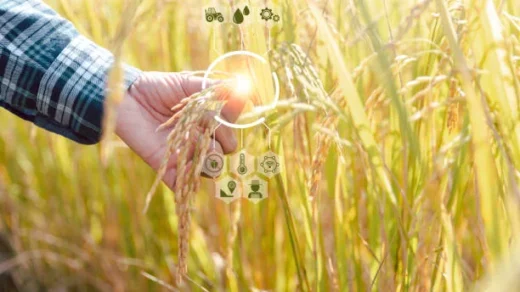
Ineffective resource management: Digital technologies, such as sensors and tools for precision agriculture, can offer real-time information on crop health, weather patterns, and soil conditions. Farmers are able to make better informed decisions about irrigation, fertilizer, and pest management thanks to this knowledge.
Limited market information: Farmers must have access to market data in order to choose the best crops, set fair prices, and time harvests. Real-time market prices, demand predictions, and data on customer preferences can all be found on digital platforms and mobile applications. However, without access to these tools, farmers might find it difficult to comprehend market dynamics, bargain for reasonable prices, and locate possible consumers for their produce.
Reduced access to financial services: Thanks to the transformation brought about by digital technologies, farmers now have access to credit, insurance, and other financial products. Digital platforms and mobile banking make financial transactions easier to complete, increase loan availability, and lower the risks involved with agriculture. Farmers may find it difficult to obtain formal financial services without access to these technology, which would limit their capacity to invest in better inputs.