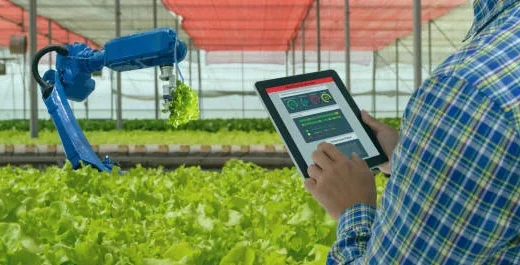
Urban farming is becoming more popular, and this has a big impact on the agricultural industry as well as how food is produced, distributed, and consumed. Urban farming is the activity of growing food and rearing livestock on vacant lots, rooftops, and other urban structures. The agricultural market is impacted by urban farming in the following ways:
Urban farming boosts local food production by supplying cities with fresh produce and livestock products. This can shorten the supply chain and lessen reliance on far-off rural sources.
Reduced Food Miles: Because urban farmings is situated closer to customers, less food miles are required for food to travel from farm to plate. Reduced transportation costs and positive effects on the environment, such as a decline in greenhouse
Urban farmings enables the development of a wide variety of crops, including speciality and niche types. This could increase customer options and promote culinary variety.
Food Security and Resilience: Urban farmings boosts local food availability, especially in places with limited access to fresh produce, which helps to increase food security. In situations where the food supply is disrupted, it can also increase community resilience.
Community Engagement and Social Benefits: Urban farmings fosters civic participation, educational possibilities, and interpersonal relationships. Urban dwellers gain a sense of pride and connection to food production as a result.