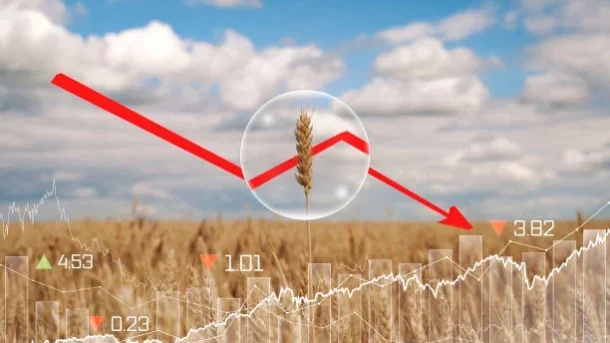
Big data analytics aids in the discovery of historical trends and patterns in agricultural trade data. This data aids in both short- and long-term forecasting by offering insights into seasonality, demand patterns, and cyclical market movements.
Big data analytics can forecast future price movements of agricultural trade commodities by examining historical and current pricing data. Farmers, dealers, and policymakers can use these price forecasts to inform their actions.
Crop Yield Estimation: Using big data analytics, crop yield estimates for various regions can be made by analyzing satellite imagery, weather data, and crop performance data. Estimating supply levels and market situations is made easier with accurate crop output estimates.
Risk evaluation: Big data analytics evaluates a range of potential hazards, including those connected to the weather, trade interruptions, and illness, that may have an effect on the agricultural market.
Exchange rate changes have an impact on the price of importing agricultural supplies including fertilizer, seeds, and equipment. An rise in import costs due to a depreciation of the home currency may result in an increase in farmers’ production costs.
Terms of Trade: The proportion between a country’s export prices and import prices, or terms of trade, can be impacted by exchange rate volatility. A country’s terms of trade may benefit agricultural exporters if the domestic currency appreciates.
Profitability for Farmers: Exchange rate variations can have a direct effect on the profitability of farmers who depend on exports but earn their revenue in their home currency. When converted to the domestic currency, export earnings are worth less when the local currency is stronger.
The demand for agricultural products may be impacted by exchange rate volatility.