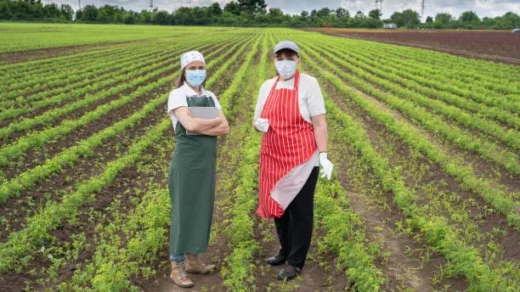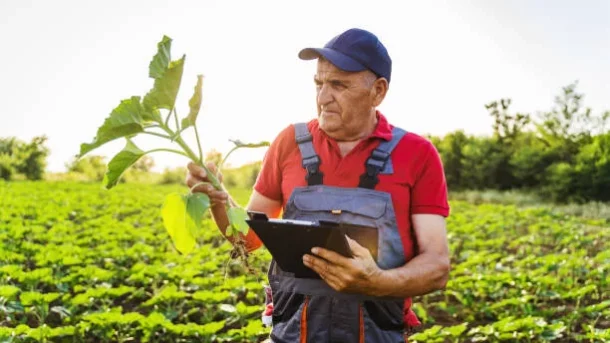
Good Agricultural Practices (GAP) are being adopted and put into practice by farmers. These practices include standards and guidelines for sustainable and safe agricultural production. The right use of fertilizers and pesticides, water management, personal hygiene, and the health and safety of workers are all covered by these practices. GAP aims to minimize hazards to food safety throughout the production of agricultural products.
Adoption of Quality Assurance Systems: Many agricultural businesses and farmers are putting quality assurance systems, including ISO 22000 and HACCP, into place. These systems concentrate on locating and eliminating risks to food safety at various points along the supply chain, from farm to fork. To ensure the safety, they assist in establishing preventive measures, monitoring systems, and traceability methods.
Enhancing Traceability Systems: To track and document the movement of food products along the supply chain, the agriculture sector is installing and enhancing traceability systems. To enable real-time monitoring and recording of product information, this entails the use of technologies like blockchain, barcoding, and RFID (Radio Frequency Identification). Food product origin, processing, and distribution histories may all be traced using traceability systems, which makes it simpler to spot possible safety hazards and take appropriate action.
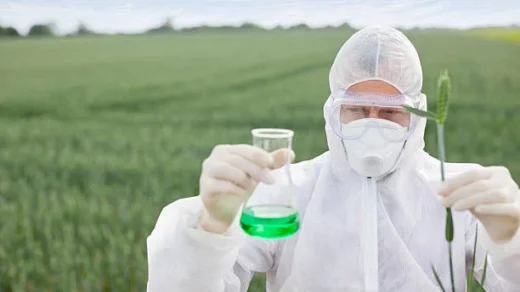
Testing and Quality Control: To ensure the safety of agricultural goods, regular testing and quality control procedures are essential. Pesticide residues, heavy metals, microbiological contaminants, and genetically modified organisms (GMOs) are just a few of the things that can be tested for.