Through a number of projects and policies aimed at lowering greenhouse gas emissions, enhancing energy efficiency, and achieving sustainable agricultural practices, the use of renewable energy in agricultural operations is being promoted. The following are some significant ways that agriculture is promoting renewable energy:
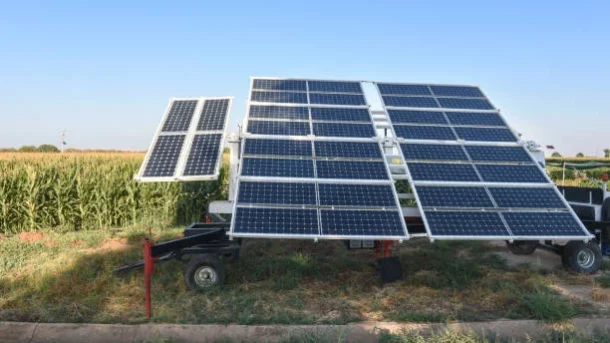
One of the most extensively used renewable energy sources in agriculture is solar power. On farms, photovoltaic (PV) systems or solar panels are used to generate electricity for a variety of uses, including running agricultural equipment, lighting, ventilation, and irrigation systems. Governments and other organizations encourage farmers to embrace solar energy technology and make investments in on-farm solar installations by offering incentives, grants, and subsidies.
Biomass and bioenergy: Through procedures like anaerobic digestion, gasification, or direct combustion, biomass—such as crop leftovers, animal dung, and crops grown specifically for bioenergy—can be transformed into bioenergy. The biogas created by anaerobic digestion can be utilized to provide biofuels for farm equipment as well as energy and heat. Farm buildings and greenhouses can be heated using biomass boilers and biomass-based heating systems.
Geothermal Energy: Geothermal energy makes use of the heat that is trapped beneath the surface of the Earth. Geothermal systems can be used to dry agricultural products and provide warmth and cooling for greenhouses and farm buildings. Geothermal heat pumps use less energy than conventional heating and cooling systems, which can result in significant energy savings.