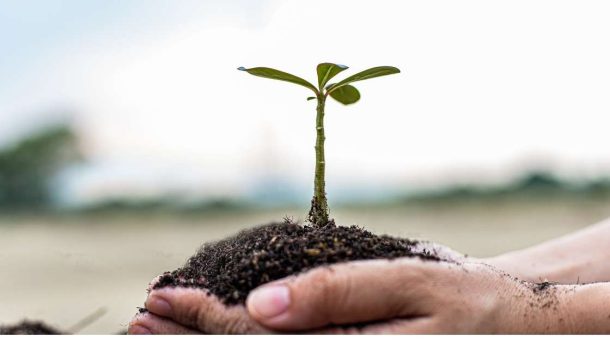
Sustainable farming methods make the most of available resources on the farm. Family work, intensive grazing systems, recycled nutrients, legume nitrogen, crop rotations, use of renewable solar energy, enhanced insect control, soils, and woods are just a few examples of internally produced inputs. These adjustments can be made with preserving yields, according to studies, and often result in higher net farm earnings.
What’s the impact of acid rain ?

Acid rain results in acidification of soil and lakes , deterioration of buildings made of rocks ,and deterioration of trees and forests . Acid rain causes contamination of water sources due to seperation of poisonous minerals such as aluminum and mercury from the surrounding ground.
What is acid rain ?
Acid rain is the rain that contains larger amounts of acid than normal. Acid rain contains more pH than ordinary. This is caused by the presence of air pollutants, like sulfur dioxide and nitrogen oxides. Acid rain is considered as the wet deposits of air pollutants, where it’s combined with moisture before falling into the ground. Acid rain can occur naturally, from the volcanic eruptions.
What is the soil and climate requirement for tea?
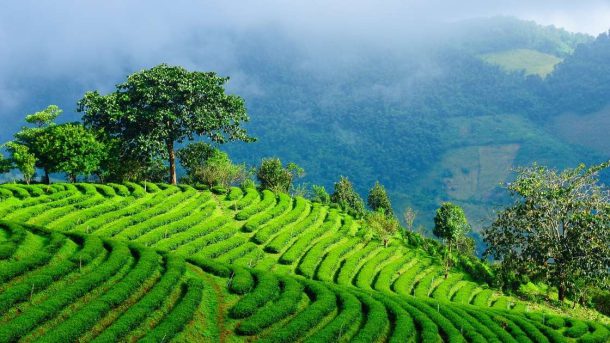
Tea requires well drained soil with high amount of organic matter and pH 4.5 to 5.5. The performance of tea is excellent at elevations ranging from 1000 – 2500 m.Optimum temperature: 20 – 270 C.
What is agri-silvicultural system ?

Agricultural crops are intercropped with tree crops in the area between the trees in this arrangement. Agricultural crops can be cultivated for up to two years under protected irrigated conditions and up to four years under rainfed farming under this technique. Grain crops can be profitably grown until the above-mentioned period, beyond which they are uneconomical to grow. Fodder crops, shade-loving crops, and shallow-rooted crops, on the other hand, can be profitably farmed. For easier cultural management and to obtain more sunlight to the intercrop, wider spacing is used without losing tree population. When compared to monoculture, the tree crops do better in this system.
What is transplant stage of tissue culture ?
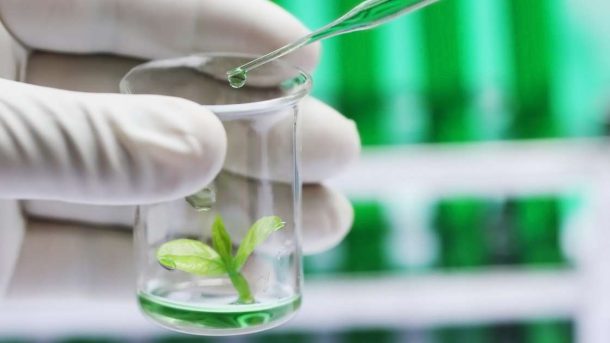
Transplant stage of tissue culture is the stage in which plantlet is transferred from the aseptic cultural environment to the free living environment of the green house. The plants ultimately requires hardening process to the final field location. The plantlet must not only root adequately but also must undergo a period of acclamation to enable it to survive and establishment.
How gall caterpillar attack amla plant ?
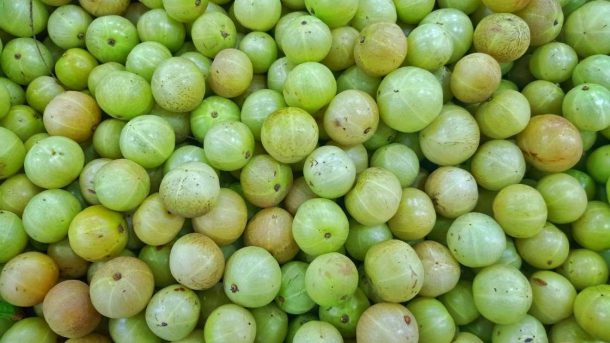
During the wet season, young caterpillars burrow into the apical section of the shoot and create tunnels. As a result, apical regrowth is inhibited, side shoots sprout beneath the gall, and future development in the next season is impeded significantly. The pest will be controlled by cutting off the affected apices and using a systemic insecticide like Dimethoate 0.03 percent as a preventative measure.
How training and pruning is done in pomegranate ?
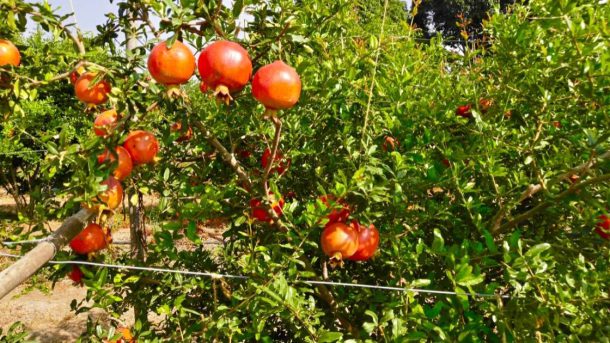
Fruits are produced at the end of shoot growth that emerges from mature wood. After the harvest is finished in December, annual pruning is done to promote new shoots on all sides by eliminating one third of the previous season’s growth. Dry, diseased, and cross-cross branches, as well as root suckers, are removed. The tree is trained to produce a single stem up to 60 cm in length with three or four scaffold branches. The fruit will be larger if the flower clusters are thinned.
What are the symptoms of uzifly attack on silkworm ?
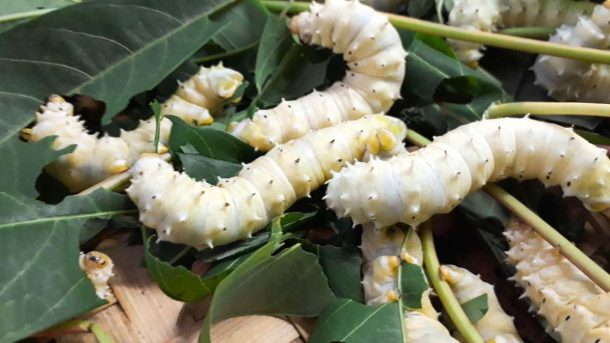
Symptoms of uzifly attack include presence of creamy white oval eggs on the skin of larvae in the initial stage, and presence of black scar on the larval skin. Silkworm larvae die before they reach the spinning stage (if they are attacked in the early stage). In later stage, pierced cocoon is noticed. Throughout the year, severity is more in winter months.
What is the significance of banyan tree soil?
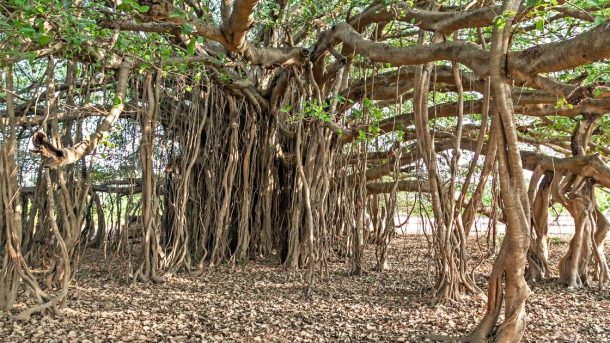
Banyan tree soil helps in improving agriculture soil due to having heavy micro biomass. Banyan tree is home to many birds and animals. Where they release the excreta and soil is undisturbed. This soil contains huge amount of microbes i.e. bacteria, fungus etc. These microbes release plant growth promoters , minerals , cellulose decomposers , antibiotic substrates and keep the soil fertile.