With the use of variable rate technology (VRT), farmers can apply fertilisers at various rates throughout their fields according to site-specific requirements. To gather information on soil fertility, crop development, and other pertinent parameters, soil sensors, remote sensing, and GPS technologies are employed. The creation of prescription maps that direct the application of fertilisers is then done using the data. By carefully tailoring the distribution of nutrients to the needs of the crop and the various soil conditions, VRT maximises nutrient uptake while minimising nutrient loss.
Sensor-Based Nutrient Management: Several sensors are used to monitor soil nutrient levels and crop health in real-time, including soil moisture sensors, electrical conductivity sensors, and optical sensors. Farmers can use these sensors to gather precise and timely data that will help them decide how to apply nutrients.
Fertilisers with Controlled-Release: Controlled-release fertilisers are made to release nutrients gradually over an extended period of time. These fertilisers give the crops a more consistent supply of nutrients, which lowers the chance of nutrient leaching, volatilization, or runoff. These fertilisers increase the effectiveness of nutrient utilisation while minimising environmental effects by releasing nutrients in a regulated manner.
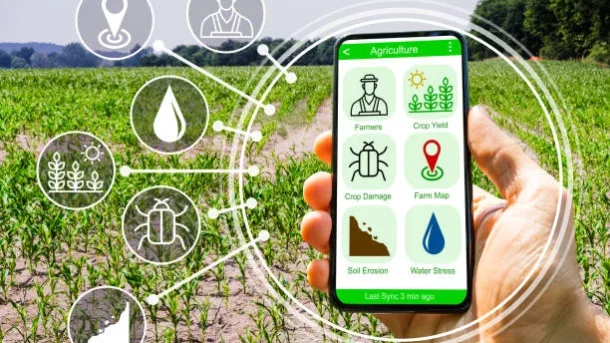
Software Tools for Nutrient Management: Tools for nutrient management are available to help farmers make knowledgeable decisions about the application of nutrients. To produce optimised fertiliser recommendations, these software systems take into account elements including soil type, crop type, yield targets, nutrient requirements, and environmental considerations. These tools, which generate customised nutrient management plans taking into account crop nutrient needs, present nutrient levels, and regulatory guidelines, can be used by farmers to input their field data.