Livestock management and observation are carried out by autonomous vehicles. For instance, in dairy farms, robotic devices can automate chores like feeding, milking, or waste management. These vehicles can independently drive and communicate with cattle thanks to sensors and computer vision. Autonomous drones or robots can also be used by livestock monitoring systems to monitor animal behaviour, health, or movement in sizable livestock operations.
Sampling and analysing soil is a task that can be accomplished by autonomous vehicles. They have equipment that allows them to take soil samples at predetermined field sites. These samples can then be examined to assess the pH, nutrient levels, or soil fertility. A more organised and effective method of doing soil testing is provided by autonomous soil sampling vehicles, allowing farmers to make knowledgeable decisions.
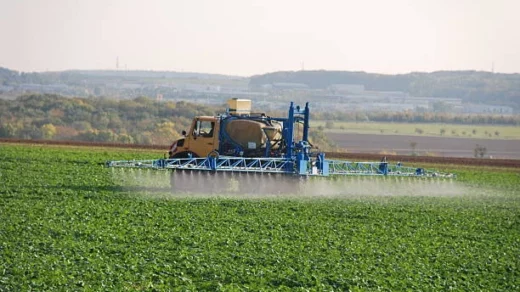
Weed and pest control: Targeted weed and pest management is carried out by autonomous vehicles. They may have sensors, cameras, or spraying systems that allow them to identify and target specific weeds or pests. These vehicles determine the appropriate locations to apply herbicides or pesticides and do so using computer vision and machine learning algorithms. Vehicles for weed and pest management that operate autonomously use less chemicals, have less of an impact on the environment, and protect crops more precisely.
Field mapping and data collection are carried out by autonomous vehicles, such as drones or ground-based robots. They gather information on crop health, topography, and soil moisture, giving precision farmers useful information.