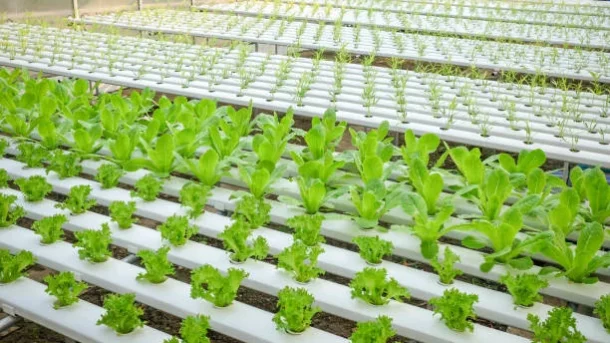
Comparing aquaponics to hydroponics or standalone aquaculture, as well as traditional agriculture, there are various advantages. The following are some of the major advantages of aquaponics:
Utilizing resources effectively: By integrating plant and fish cultivation in a symbiotic system, aquaponics increases resource efficiency. By recycling the nutrients in fish waste and using them as fertilizers for plant growth, the demand for external inputs like synthetic fertilizers is decreased. Water is continuously recirculated between the fish tanks and the plant beds in the closed-loop system to reduce water usage. Aquaponics is incredibly sustainable and environmentally benign due to this effective resource usage.
Water usage is decreased since aquaponics need so little water to operate. With just minor water losses from evaporation and transpiration, the system continuously recycles the water.
Produce that is chemical- and organic-free: Aquaponics encourages organic farming methods because it does away with the need for artificial fertilizers, pesticides, and herbicides. Natural nutrients from fish waste are used by plants to develop, and the plants also serve as a biological filter to clean the water for the fish. Produce produced as a result is chemical-free and naturally cultivated, which may appeal to consumers looking for wholesome and sustainable food options.
Crop production all year round: Aquaponic systems can be installed in climate-controlled spaces like greenhouses or indoor facilities. This makes crop production year-round and independent of seasonal changes and outside weather conditions. Farmers can establish ideal growth conditions by regulating the temperature, humidity, and lighting, providing a steady supply of fresh vegetables all year long.