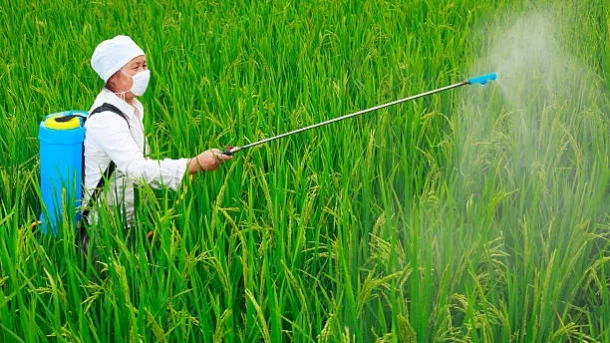
The best practices for biofertilizer application must be followed to provide maximum advantages and optimal integration with current agricultural techniques. The following are some essential recommendations for using biofertilizers:
Choose a biofertilizer that is appropriate for the crop you are trying to grow and the soil you are using. The helpful microorganisms found in many biofertilizers are tailored to individual plant types and environmental conditions.
Use high-quality products: Make sure biofertilizers you buy come from reliable sources and are packed with healthy, productive microorganisms. Verify the credentials and quality control requirements of trustworthy vendors.
Read and abide by the directions: To understand the suggested application rate, timing, and procedure, carefully read the product label or manufacturer’s instructions. There may be unique application criteria for certain biofertilizers.
The best time to use biofertilizers is during planting or at the proper stage of crop growth. Some biofertilizers work best when sown or transplanted, while others can be sprayed on the leaves or used at particular growth phases.
Avoid applying biofertilizers at high temperatures in order to prevent desiccation and lessen stress on the beneficial microorganisms. This is especially important in hot weather.