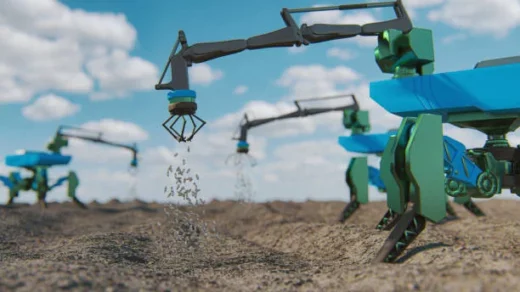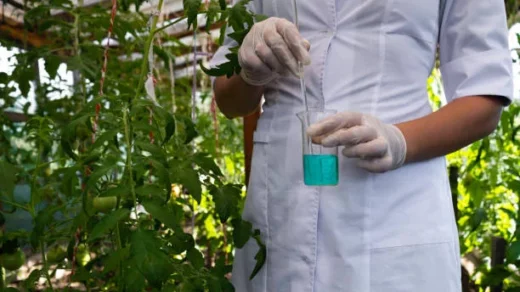
Greenhouse Gas Emissions: Agriculture is a major source of greenhouse gas (GHG) emissions, particularly through the production of nitrous oxide (from fertilizers and manure management) and methane (from cattle and rice agriculture). Strategies to lower these emissions are discussed, including better fertilizer management, the adoption of low-emission livestock systems, and the promotion of more environmentally friendly rice growing methods.
A considerable amount of carbon dioxide is released into the atmosphere as a result of deforestation and land use change caused by agriculture, particularly the expansion of agricultural land. The discussions center on stopping deforestation, safeguarding forests and other natural ecosystems, and encouraging climate change mitigation strategies including agroforestry and replanting.
Discussions have focused on how agriculture has the ability to store carbon in soils, which can reduce greenhouse gas emissions. Improved soil health can aid in carbon sequestration and increase agricultural sustainability through techniques including cover crops, conservation tillage, and organic matter additions.
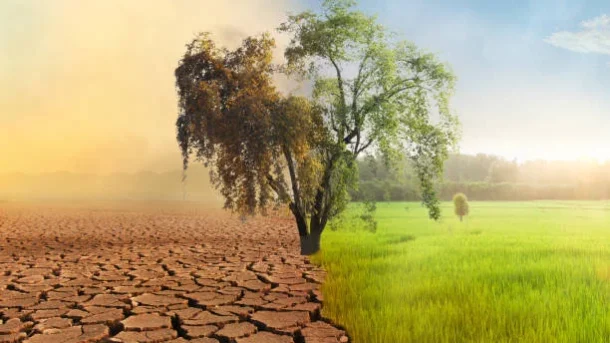
Adaptation and Resilience: Agricultural systems face difficulties as a result of climate change effects such as altered precipitation patterns, an increase in the frequency of extreme weather events, and temperature swings. The adoption of climate-resilient crop varieties, water management techniques, and system diversification are just a few examples of how resilience and adaptive ability are being built into agricultural practices and systems.