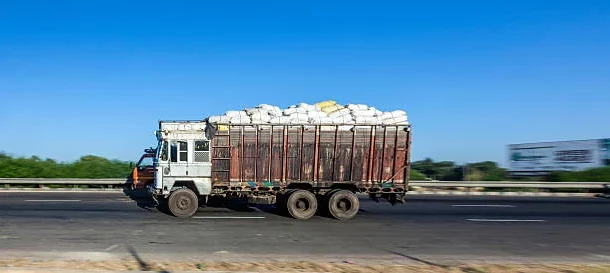
Transport costs significantly affect agricultural trade and the movement of agricultural products across regions and nations. These expenses can change depending on the distance, the form of transportation, the infrastructure, and the cost of fuel. Several of the main effects of transportation costs on agricultural trade are listed below:
Market Access and Distance: Farmers who are located distant from important markets or export hubs may find that their access to markets is restricted by higher transportation expenses. Transporting their produce to customers or ports may be expensive for farmers in outlying places.
Competitiveness of Agricultural Exports: The competitiveness of agricultural exports in global markets is impacted by transportation costs. The final price of exported goods may increase due to higher transportation expenses, thereby reducing their competitiveness against commodities from other countries.
Dependence on Imports: Despite the fact that some agricultural products could be produced more cost-effectively elsewhere, countries may become more dependent on locally produced agricultural products or import from countries nearby with lower transportation costs as a result of high transportation costs.
Transportation expenses may lead to price differences across areas. For instance, areas nearer to industrial hubs may have lower prices as a result of decreased transportation costs.
Efficiency in the supply chain: Timely delivery of agricultural products is ensured by efficient transportation systems, which also shorten lead times. Conversely, ineffective shipping can result in hold-ups, spoilage, and higher handling expenses.