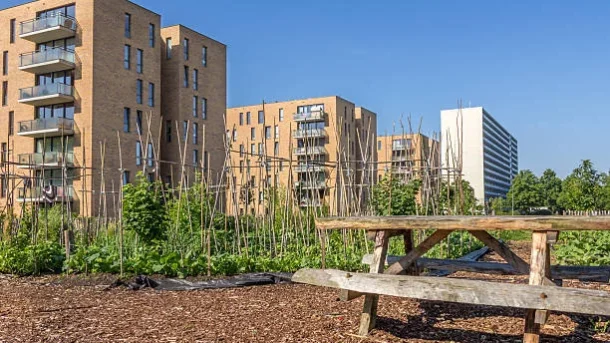
Urbanization has several implications for agricultural land use and productivity. Here are some key implications:
Land Conversion: Urbanization often leads to the conversion of agricultural land into residential, commercial, or industrial areas. As cities expand and population density increases, agricultural land is gradually transformed into urban infrastructure, including buildings, roads, and other urban amenities. This conversion reduces the total area of available agricultural land, leading to a decline in agricultural production capacity.
Fragmentation and Loss of Agricultural Land: Urbanization can result in the fragmentation of agricultural land into smaller parcels due to land subdivision and development. Fragmentation makes it challenging for farmers to maintain viable agricultural operations and implement efficient land management practices. Moreover, the encroachment of urban areas can lead to the complete loss of agricultural land, further reducing the overall agricultural productivity of the region.
Urbanization frequently generates demand for surrounding agricultural land to supply food and other agricultural products to the expanding urban population. This puts pressure on productive agricultural land. As a result, there might be more pressure to convert fertile agricultural land that is adjacent to cities. This may result in the loss of irrigated, fertile land, which could have an impact on potential agricultural output and food production.
Farming practices might change as a result of urbanization as conventional agricultural systems are modified or replaced to meet the needs and restrictions of the city. For instance, high-value crops or horticulture may become the focus of commercial farming as these industries might be more lucrative in urban markets. Additionally, to make use of the limited urban space, urban agriculture techniques like rooftop gardens, vertical farming, or community gardens may emerge.