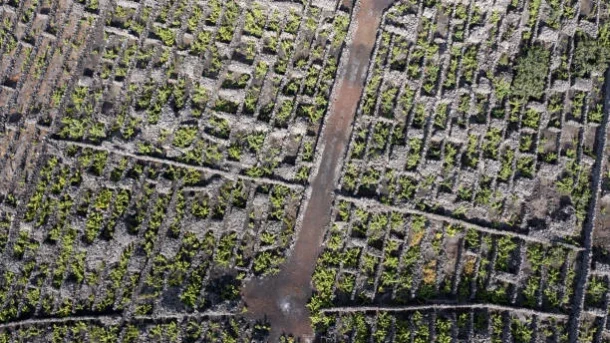
Erosion and deterioration of the soil can be caused by unsustainable agricultural practices such excessive tilling, misuse of chemical fertilizers and pesticides, and improper irrigation management. Erosion depletes the soil’s productivity and nutrient content by removing the top fertile layer. Farmers and food production are faced with difficulties due to degraded soils, which raise input costs and reduce crop yields.
Loss of biodiversity: Habitat destruction and biodiversity loss are caused by agricultural land degradation and deforestation. Plant and animal species, particularly those necessary for pollination, pest management, and ecosystem balance, are lost when natural ecosystems like forests, grasslands, and wetlands are converted into agricultural land. This decline in biodiversity may interfere with ecosystem functions and have adverse effects.
Agriculture is a large user of water resources, contributing to their depletion. Water resource depletion may result from unsustainable agricultural practices like excessive irrigation and poor water management. Aquifers can be depleted, rivers and streams can dry up, and there will be less water available for ecosystems and other industries as a result of excessive water consumption. The yields of crops and agricultural productivity can be directly impacted by water constraint.
Emissions of greenhouse gases: Deforestation, especially when done to make room for more farmland, increases greenhouse gas emissions, which primarily take the form of carbon dioxide (CO2). The destruction of vegetation and trees releases carbon that has been stored there into the atmosphere. Additionally, methane (CH4) and nitrous oxide (N2O) are released through agricultural operations including burning crop leftovers and overusing synthetic fertilizers.