Pathogen transmission: Bio-fertilizers may include dangerous infections that could spread to plants, animals, or people if improperly generated, handled, or stored. Affected biofertilizers pose threats to agricultural production and public health by having the ability to infect crops with illnesses.
unwanted environmental effects: In some instances, using bio-fertilizers to introduce non-native microbes may have unwanted effects on the environment. These alien microorganisms may displace native species, upset ecological balances, or negatively impact the diversity of soil microbes.
Variable efficacy: Depending on the kind of soil, the climate, and the individual microorganisms in the biofertilizer, the efficacy of fertilizers can change. In some circumstances, the anticipated advantages might not materialize, resulting in inadequate plant growth or nutrient availability.
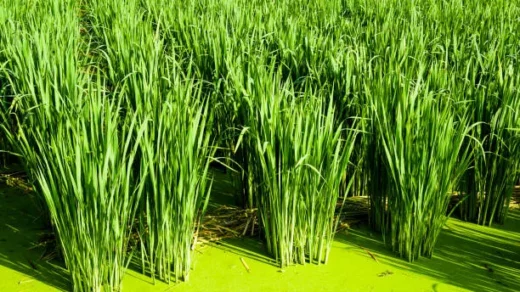
Contamination of water bodies: If bio-fertilizers are overapplied or misapplied, excess nutrients like nitrogen and phosphorus can leach into groundwater or runoff into nearby water bodies. This could lead to eutrophication, an ecological issue where excessive nutrients cause harmful algal blooms and degrade water quality.
Incompatibility with other agricultural inputs: Some biofertilizers may not work well in combination with certain chemical fertilizers, pesticides, or herbicides. Compatibility issues could reduce the effectiveness of both the biofertilizer and the other inputs or lead to unintended consequences.