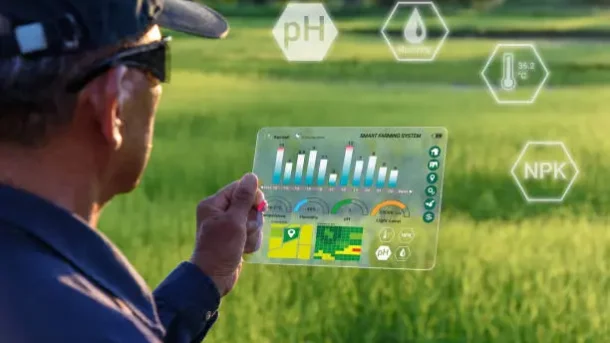
Sensor Networks: To monitor and gather data on numerous factors, (Internet of Things) IoT devices and sensors are put in the field, greenhouse, or livestock facilities. These sensors collect data on a variety of variables, including soil moisture, temperature, humidity, precipitation, crop health, livestock behaviour, and more. The information gathered sheds light on the state of the environment, the development of plants, the welfare of animals, and resource management.
Remote Monitoring and Control: (Internet of Things) IoT makes it possible to monitor and manage agricultural operations from a distance. Farmers may access real-time data from their laptops, tablets, or cellphones to keep an eye on the health of their livestock, crops, irrigation systems, and other equipment. Farmers can modify parameters, such as irrigation schedules, temperature settings, or feeding systems, based on the gathered data and particular needs thanks to remote control capabilities.
IoT makes accurate and focused resource management possible, which supports precision agriculture practises. Farmers are able to use water, fertiliser, pesticides, and other inputs to their best advantage by combining data from sensors, satellite imaging, weather forecasts, and historical records. This focused strategy maximises crop yield and quality while minimising waste and environmental impact.
Automated Systems: Internet of Things (IoT) devices can automate numerous agricultural processes, requiring less manual labour. Automated irrigation systems, for instance, can modify water application based on current soil moisture information. Automation of processes like planting, harvesting, and livestock management is possible with robotic devices. These automated technologies increase operational effectiveness, decrease the need for labour, and provide 24/7 monitoring and control.