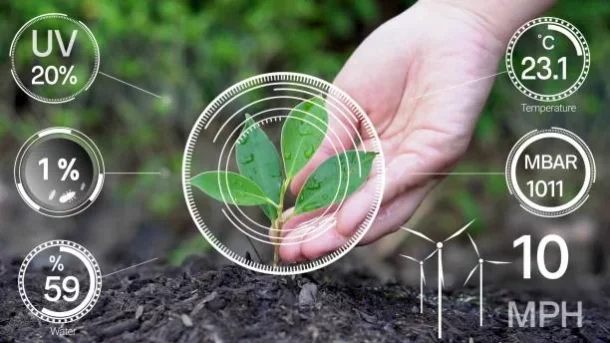
Smart farming offers precision farming techniques, in which farm management is customised to particular areas or even individual plants. Farmers may administer inputs, such as water, fertiliser, or pesticides, precisely where and when they are needed, depending on the conditions and needs of the crop, by using data and technology. This accuracy aids in waste minimization, environmental effect mitigation, and resource utilisation optimisation.
Automation and robotics: Agricultural processes are automated and robotics is used in smart farming. Planting, harvesting, spraying, and monitoring operations can be carried out by automated equipment like autonomous tractors or robotic systems. The usage of robotics is also possible for activities like milking, sorting, and fine weed control. Robotics and automation increase productivity, decrease the need for labour, and allow around-the-clock operations.
Farm Management Systems: Farm management software systems incorporate and analyze data from various sources to enhance agricultural operations. These platforms give farmers a centralised perspective of their business operations, enabling them to manage resources, track profitability, and keep an eye on performance. Systems for managing farms help with record-keeping, planning, scheduling, and regulatory compliance.
Sustainable and Efficient Practises: Using smart farming methods encourages efficient and sustainable agriculture. Smart farming increases output while preserving resources, minimising negative environmental effects from chemical use, and optimising inputs. It promotes efficient fertiliser management, focused crop protection, precise irrigation, and all-around sustainable farming techniques.