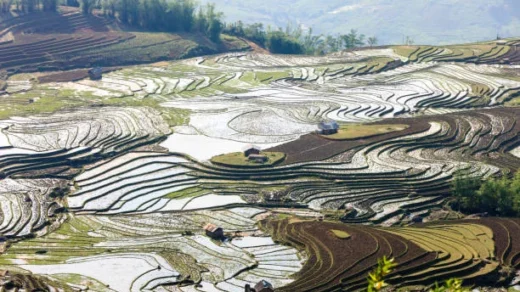
Initiatives for the sustainable Himalayan ecology strive to preserve the region’s fragile ecological balance as well as its distinctive biodiversity. The unique flora, fauna, and ecosystems of the Himalayas are the subject of their attention because they are essential to maintaining ecological stability and providing ecosystem services.
Sustainable Development: The Himalayan region is encouraged to adopt sustainable development methods by several programs. They seek to strike a balance between conservation initiatives and the local populations’ requirements for socioeconomic growth. This involves supporting ecotourism, renewable energy, organic farming, and other economically viable methods for living sustainably.
Adaptation to Climate Change: The programs take on the problems brought on by climate change in the Himalayas. They place a strong emphasis on increasing people’s capability for coping with the effects of climate change, such as melting glaciers, altered rainfall patterns, and greater susceptibility to natural disasters. As a result, it’s important to promote climate-resilient infrastructure, implement climate-smart behaviors, and create early warning systems.
Initiatives for the sustainable Himalayan ecosystem emphasize the need of including local populations in decision-making processes and giving them the tools they need to act as good stewards of their natural resources. They encourage community-based conservation and sustainable management techniques, ensuring that local communities actively participate in and are engaged in managing and maintaining their natural environment.