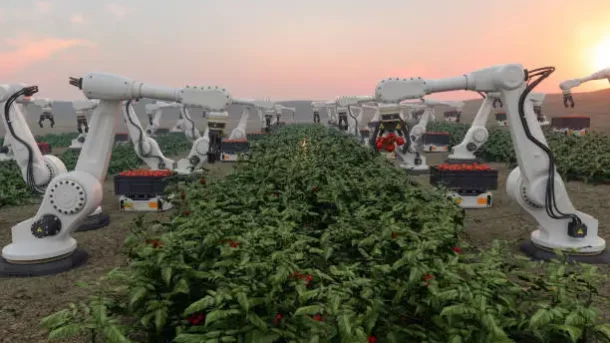
Automation of Labor-Intensive chores: By automating labor-intensive agricultural chores, robots can lessen the need for manual labour. They can efficiently and precisely carry out tasks including planting, seeding, transplanting, weeding, spraying, and harvesting. This automation boosts production, lowers costs, and addresses the labour deficit.
Robots with sophisticated sensors, computer vision, and machine learning algorithms are capable of carrying out tasks with a high degree of accuracy and precision. They may recognise and selectively target particular plants, weeds, or pests, consuming less water, fertiliser, and pesticides in the process. This focused strategy encourages sustainable farming methods while increasing efficiency and decreasing waste.
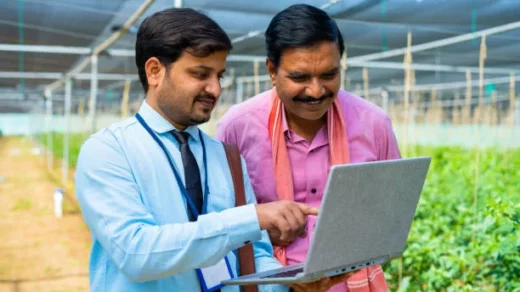
Robots with sensors and imaging capabilities may monitor and gather data on crops in real-time, including information on their health, their growth patterns, and their environmental circumstances. They may keep an eye on variables including temperature, humidity, nutrient levels, and soil moisture. Robotic data collection assists farmers in making educated decisions regarding crop-related practises such as irrigation, fertiliser application, disease management, and more.
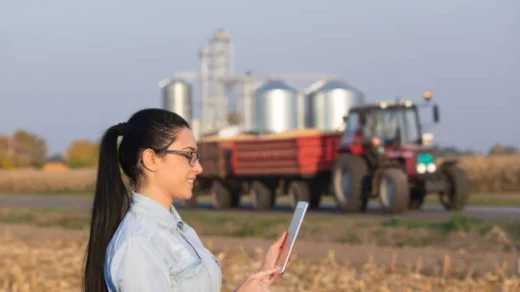
Autonomous Machines and Vehicles: The usage of autonomous vehicles in agriculture is growing, including self-driving tractors and drones. These machines may operate autonomously and carry out duties including field mapping, crop monitoring, planting, spraying, and soil analysis. Autonomous equipment enhances operational effectiveness, lowers human error, and permits 24-hour farming operations.