POSTEDITOR OFFICE

What is the primary goal of the National Mission on Seeds and Planting Material (NMSPM)?

Seeds and Planting Material

Please accept my apologies, but I am not aware of any official project by the name of “National Mission on Seeds and Planting Material” (NMSPM). The project you described might not be well known or a part of the generally acknowledged government initiatives or missions in India. It’s crucial to keep in mind that my knowledge cutoff date is in September 2021, and that there might have been modifications or new projects since then.

If such a mission existed, the following would presumably be its main objectives:

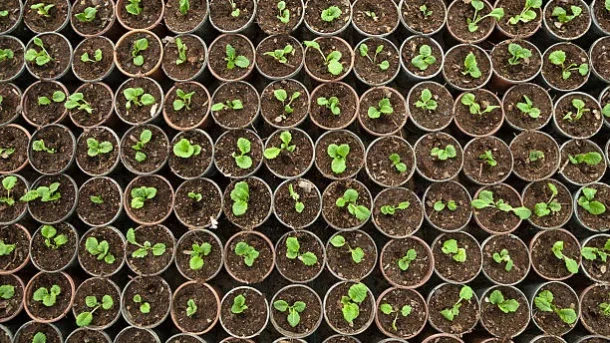
Providing Farmers with Access to High-Quality Seeds: The mission strives to provide farmers with access to seeds and planting Material supplies of the highest caliber. In accordance with the regulatory framework, this involves promoting the production, certification, and distribution of improved seed varieties, including hybrid and genetically modified (GM) seeds.

Increasing Seed Replacement Rate: The goal of the mission can be to raise the percentage of old seeds that are replaced with new seeds each crop season, or seed replacement rate. It tries to dissuade farmers from using old, low-yielding seed types and to promote farmers’ adoption of improved seed varieties.

Developing a Stronger Seed Infrastructure: The mission would likely focus on developing a stronger seed infrastructure, including seed processing units, seed storage facilities, and seed testing laboratories.

Research and development: The mission may give priority to initiatives involving seeds and planting supplies. It can entail encouraging scientific investigation, creativity, and the creation of novel seed technologies, such as biotechnology and genetic engineering, for better agricultural production, pest and disease resistance, and climatic adaptation.

Name a government program that provides financial assistance for the construction of farm ponds and wells.

farm ponds and wells

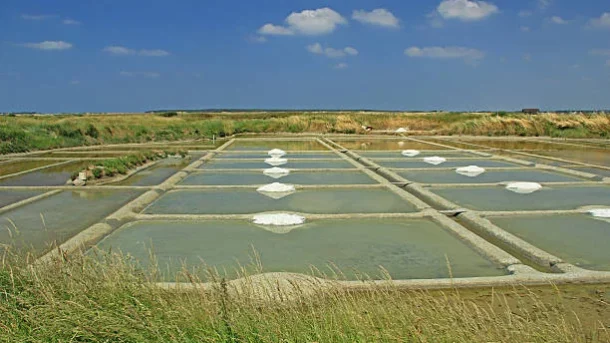
The “Pradhan Mantri Krishi Sinchayee Yojana” (PMKSY) is one government initiative that offers financial support for the development of farm ponds and wells in India. The Ministry of Agriculture and Farmers Welfare, Government of India, implements the PMKSY, a centrally supported program, with the goal of guaranteeing water security and enhancing irrigation effectiveness in agriculture.

The following elements are commonly covered by the financial aid given for the construction of agricultural wells and ponds:

Costs of construction: PMKSY provides farmers with financial assistance for building agricultural ponds and wells. This help pays for the costs of excavation, lining, bunding, building supplies, and other costs related to constructing the water storage structures.

Technical Advice: The plan gives farmers technical advice on the layout, building, and operation of farm ponds and wells. To ensure correct use and upkeep of these water storage facilities, it provides training programs, demonstrations, and extension services.

Building capacities: PMKSY focuses on helping farmers enhance their capacities and skills in water management methods. It offers education and outreach initiatives on the effective use, conservation, and upkeep of agricultural ponds and wells. This aids farmers in bettering their irrigation techniques and maximizing water supplies.

Convergence with Other Programs: The program encourages convergence with other federal initiatives, such as the Mahatma Gandhi National Rural Employment Guarantee Scheme (MGNREGS), to offer more assistance for the development of agricultural ponds and wells. Farmers can take advantage of resources from many sources in this way, increasing the efficiency of the infrastructure for water storage.

Which scheme aims to promote the cultivation of medicinal plants in India?

cultivation of medicinal plants

The “National Medicinal Plants Board (NMPB) Scheme” is one program that tries to encourage the development of medicinal plants in India. The National Medicinal Plants Board, an agency of the Government of India’s Ministry of Ayurveda, Yoga & Naturopathy, Unani, Siddha, and Homoeopathy (AYUSH), implements a number of policies and initiatives to encourage the growth, preservation, and sustainable cultivation of medicinal plants.

The National Medicinal Plants Board Scheme’s primary goals are as follows:

Therapeutic Plant Cultivation: The program’s main objective is to encourage the nationwide cultivation of therapeutic plants. It offers assistance with setting up nurseries, growing medical plants in designated locations, and using good agricultural practices (GAPs) for growing medicinal plants.

The plan has a strong emphasis on capacity building and training programs for farmers, business owners, and other parties involved in the cultivation of medicinal plants. It offers instruction in a variety of topics, such as nursery management, plant propagation methods, organic farming techniques, post-harvest handling, and medicinal plant value addition.

Research and Development: The program funds initiatives in the study and cultivation of medicinal plants. It encourages scientific research, the recording of traditional knowledge, the preservation of rare and endangered medical plant species, and the creation of novel medicinal plant cultivars with enhanced properties.

The plan’s primary areas of focus are market promotion and the development of the value chain for medicinal plants. It backs programs to create market connections, improve farmers’ and collectors’ access to markets, and promote to farmer.

What is the purpose of the Interest Subvention Scheme for farmers in India?

Interest Subvention Scheme

The Interest Subvention Scheme for Farmers in India was created with the intention of assisting farmers financially and easing the strain of high interest rates on agricultural loans. The program’s goal is to increase farmers’ access to and affordability of agricultural financing, which will boost agricultural productivity, lessen stress, and improve their general well-being.

The Interest Subvention Scheme primary goals typically consist of:

Reduced Interest Rates: The program offers interest rate subvention, which lowers the actual interest rate applied to loans for agricultural purposes. By offering an interest rate subsidy or subvention on the applicable interest rate for a set length of time, it tries to reduce the cost of loan for farmers.

Timely and Adequate Credit: The program makes sure that timely and adequate credit is available.

Promotion of Priority Sector loans: Under this program, banking institutions are required to direct a certain portion of their overall loans into agriculture and related industries. It encourages banks to reach their lending goals for agriculture and makes it easier for small and marginalized farmers to get finance.

The program places a strong emphasis on inclusive financing and makes sure that disenfranchised small farmers, particularly women farmers and those from underprivileged backgrounds, have access to credit at reasonable rates. Its goal is to lessen financial exclusion and encourage financial inclusion among farmers.

Name a government initiative that focuses on the development of agricultural infrastructure in rural areas.

agricultural infrastructure

The “Pradhan Mantri Krishi Sinchayee Yojana” (PMKSY) is one government effort that focuses on the building of agricultural infrastructure in rural areas. The Government of India introduced the PMKSY, a centrally supported program, with the goal of providing water security and boosting agricultural production through the construction of irrigation and agricultural infrastructure.

The Pradhan Mantri Krishi Sinchayee Yojana’s main goals are as follows:

Development of Irrigation infrastructure: The program aims to increase the area served by irrigation infrastructure and encourage the effective use of water resources in agriculture. It focuses on the construction of new canals, reservoirs, check dams, lift irrigation systems, and water diversion structures, as well as the development of irrigation infrastructure. The objective is to increase irrigation water accessibility and raise agricultural output.

Watershed Development: To preserve water, recharge the groundwater, and stop soil erosion, PMKSY encourages watershed management practices and rainwater gathering methods. It encourages the creation of microirrigation systems, water storage facilities, and soil and moisture conservation techniques to increase water usage effectiveness and boost agricultural systems’ resistance to climate change.

Command Area Development: The plan places a strong emphasis on the creation of command areas as well as the efficient use of irrigation water. In order to maintain equitable water distribution and reduce water losses, it focuses on strengthening water conveyance systems, distribution networks, and water application techniques in command areas.

What is the main objective of the National Mission on Agricultural Mechanization (NMAM)?

Agricultural Mechanization

In order to increase farm production, lessen labor-intensive tasks, and increase the effectiveness of agricultural operations, the National Mission on Agricultural Mechanization (NMAM) in India works to encourage the adoption of modern agricultural machinery and equipment. By giving farmers, service providers, and other agriculture sector stakeholders financial and technical support, NMAM seeks to hasten the development of agricultural mechanization.

The National Mission on Agricultural Mechanization’s primary goals typically consist of:

NMAM’s primary goal is to encourage the use of farm mechanization technologies, such as tractors, power tillers, harvesters, seeders, sprayers, and other pieces of agricultural machinery. In order to increase efficiency and lessen the physical strain on farmers, it seeks to replace conventional manual labor with mechanical procedures.

Financial Support and Subsidies: The mission offers farmers and small business owners financial support and subsidies for the purchase of agricultural machinery and equipment. It provides financial assistance in the form of loans, grants, subsidies, and leasing contracts to make it easier for people to afford to buy mechanization technologies.

Demonstration and Training: The NMAM stresses the value of programs that teach farmers and operators how to operate and maintain agricultural machinery effectively. It encourages the planning of training programs, workshops, and demonstrations to increase the ability of farmers and service providers to effectively use mechanized technologies.

Which scheme provides financial support for the establishment of farmer producer organizations (FPOs)?

farmer producer organizations

The “Scheme for Formation and Promotion of Farmer Producer Organizations (FPOs)” is the program that offers financial assistance for the creation of farmer producer organizations (FPOs) in India. The Department of Agriculture, Cooperation & Farmers Welfare, Government of India, is in charge of carrying out the program.

The Scheme for the Formation and Promotion of Farmer Producer Organizations has the following primary goals:

Promote the formation and development of Farmer Producer Organization (FPOs): The initiative intends to promote FPO formation and growth. FPOs are collective organizations created by farmers to raise their income, market access, and bargaining strength. The program offers financial help for the creation and operation of FPOs.

Institutional Development: The plan is centered on the establishment of FPOs‘ institutional frameworks. It offers assistance with tasks including registration, capacity building, organizational growth, governance, and bolstering FPOs‘ internal processes. In order to improve the management and operation of FPOs, this includes providing financial support for training programs, workshops, exposure visits, and professional services.

Infrastructure and Equipment: The program offers financial assistance for the construction of necessary infrastructure and the purchase of equipment for FPOs. Support for the construction of shared facilities such storage facilities, processing units, grading units, packaging units, and marketing infrastructure is included in this. Additionally, financial support is given for the acquisition of machinery, tools, and vehicles needed for FPO operations.

What is the primary goal of the Pradhan Mantri Kisan Sampada Yojana (PMKSY)?

Kisan Sampada Yojana

The Pradhan Mantri Kisan Sampada Yojana (PMKSY)’s main objective is to enhance and modernize India’s whole food processing value chain, from the farm gate to the retail outlet, with an emphasis on lowering wastage, boosting value addition, and assuring higher returns for farmers. In order to generate money, create jobs, and encourage entrepreneurship in rural regions, PMKSY wants to revolutionize the agricultural industry.

The Pradhan Mantri Kisan Sampada Yojana’s primary goals typically include:

Construction of infrastructure, such as cold chains, integrated packhouses, processing facilities, and agro-processing clusters, is a key area of concentration for Pradhan Mantri Kisan Sampada Yojana. Establishing effective and integrated infrastructural facilities to lower post-harvest losses and increase the quality and shelf life of agricultural products is the main objective.

Employment Creation and Rural Entrepreneurship: PMKSY works to support rural entrepreneurship and employment prospects in the food processing industry. The program encourages the construction of food processing facilities, cold storage facilities, and agro-processing clusters, all of which help create both direct and indirect jobs in rural areas.

Market Access and Trade Promotion: The program places a strong emphasis on easing farmers’ and food processors’ access to markets. It encourages connections between domestic and foreign markets for processed agricultural products. To increase the competitiveness of Indian food products in domestic and international markets, PMKSY promotes branding, market development, and quality certification efforts.

Name a government program that aims to promote organic farming among tribal communities in India.

farming among tribal

The “Van Dhan Vikas Kendra” (VDVK) project is one government initiative that is specifically designed to encourage organic farming among tribal tribes in India. The Ministry of Tribal Affairs, Government of India, runs the VDVK scheme, which aims to improve tribal communities’ quality of life by adding value to, developing skills in, and marketing non-timber forest products (NTFP), including organic agricultural products.

The following are some of the main goals of the Van Dhan Vikas Kendra program:

Promotion of Organic Farming: The program encourages tribal tribes to adopt organic farming among tribal methods. In addition to minimizing the use of synthetic inputs and promoting the use of organic fertilizers, biopesticides, and conventional farming practices, it encourages tribal farmers to embrace sustainable agricultural practices.

Van Dhan Vikas Kendra establishment is the main goal of the plan, which aims to create tribal community-owned businesses. These Kendras act as common hubs for NTFP and organic agricultural produce processing and commercialization. For value addition, packaging, branding, and marketing of their organic produce, they offer infrastructure, training, and assistance to tribal farmers.

The VDVK initiative places a strong emphasis on adding value to tribal agricultural products. It encourages tribal farmers to strengthen their skills so they can advance their understanding and proficiency in organic farming, post-harvest processing, value addition, and product diversification. This includes instruction on ways for processing food produced organically, as well as on quality standards and entrepreneurship growth.

What is the purpose of the National Mission on Agricultural Marketing (NAM)?

Agricultural Marketing

The National Mission on Agricultural Marketing (NAM) in India aims to upgrade market infrastructure and modernize agricultural marketing procedures to benefit farmers and encourage agricultural trade. The objective of NAM is to establish an effective and open framework for agricultural marketing that improves farmers’ access to markets, lowers post-harvest losses, ensures fair prices, and fosters agricultural competitiveness.

Typically, the National Mission on Agricultural Marketing’s primary goals are:

Developing and modernizing agricultural market infrastructure, including as wholesale markets, mandis, market yards, and market facilities, are NAM’s main areas of concentration. To decrease post-harvest losses and raise the quality of agricultural produce, it attempts to build effective market yards with appropriate storage, grading, and handling facilities.

The mission’s objectives include encouraging farmer-driven market initiatives.

Aiming to improve farmers’ access to markets, NAM places a strong emphasis on this. It focuses on developing effective supply chains, connecting farmers to wider agri-value chains, and building market linkage initiatives. Connecting farmers with wholesale marketplaces, retail chains, food processors, exporters, and other market participants is a part of this endeavour.

Enhancing Market Information Systems: The mission understands the value of providing farmers with accurate and timely market information. By building market information networks, market price reporting systems, and digital platforms for gaining access to real-time market information, it seeks to boost market intelligence systems. This aids farmers in choosing the right produce, when to sell it, and which markets to target.