POSTEDITOR OFFICE

How are smart greenhouse systems improving crop production?

smart greenhouse

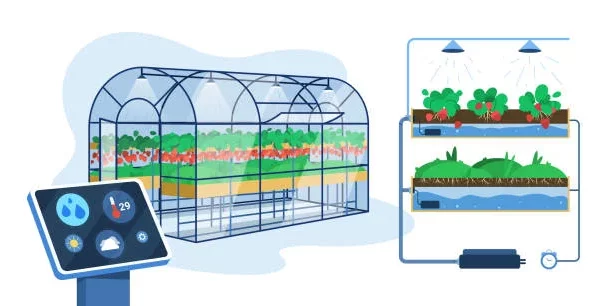
By offering precise environmental control and enhancing plant development conditions, smart greenhouse systems are revolutionising crop production. Here are some ways that crop output is being enhanced through smart greenhouse systems.

Climate Control: Sensors, actuators, and automation technologies are used by smart greenhouse systems to track and manage environmental variables like temperature, humidity, light levels, and CO2 concentration. Independent of the weather outside, gardeners can produce the ideal growth conditions for particular crops with this fine control. It makes it possible to produce all year long, lengthens the growing season, and improves crop quality and productivity.

Irrigation Management: Advanced irrigation technologies are incorporated into smart greenhouse systems to accurately provide water to plants based on their requirements. Automated irrigation systems deliver water in a targeted manner while sensors measure soil moisture levels, minimising water waste and increasing water usage effectiveness. This reduces the possibility of overwatering or underwatering and encourages healthy growth by ensuring that plants receive the proper amount of water.

Nutrient Management: Intelligent nutrient delivery systems are included into smart greenhouse systems to give plants the nutrients they need in a regulated way. These systems keep an eye on the concentrations of nutrients in the soil or nutrient solutions and change the composition and concentration of nutrients as necessary. Plants acquire the right balance of nutrients for optimum development and productivity thanks to this exact nutrition control.
What are the advancements in livestock genomics for breeding programs?

breeding programs

Breeding programs have been considerably impacted by improvements in livestock genomics, which have made the selection of desirable traits in animals more exact and effective. These significant developments in livestock genomics for breeding programs are listed below.

Genome sequencing: Livestock genomics has undergone a revolution as a result of the capacity to sequence an entire species’ genome. Reference genomes are now readily available, allowing researchers to find and investigate genetic differences linked to particular features, illnesses, or performance qualities.

Marker-Assisted Selection (MAS): MAS identifies genomic regions linked to desirable features by using genetic markers, such as single nucleotide polymorphisms (SNPs). The genetic potential of an animal can be predicted using these indicators, which can also help breeders make choices. By enabling the early selection of animals with desirable features, MAS quickens the breeding process by eliminating the need for time-consuming and expensive phenotypic tests.

genetic Selection: Genomic selection is a breeding technique that determines an animal’s breeding value using genetic data, often obtained by high-density genotyping or sequencing. The precision of forecasting an animal’s genetic merit for particular traits is increased through genomic selection by taking into account genetic markers dispersed across the genome. This strategy permits more rapid genetic advancement and effective management of breeding programs.

How is blockchain technology being used for provenance tracking in agriculture?

blockchain technology

To ensure openness, traceability, and confidence in the supply chain, provenance monitoring in agriculture is increasingly being done using blockchain technology. Using blockchain in this situation looks like this.

Immutable Record-Keeping: Blockchain enables the creation of a decentralised, impenetrable ledger where all data and transactions pertaining to the agricultural supply chain may be stored. This includes details regarding where agricultural products were grown, how they were produced, how they were certified, and how they were handled. A record of the product’s path from farm to consumer is created that cannot be changed or removed once it has been recorded.

Supply Chain Transparency: Blockchain promotes transparency by enabling access to and verification of data stored on the blockchain by all stakeholders, including producers, suppliers, processors, distributors, and buyers. Each participant may offer their information, such as production information or quality

Blockchain technology has the ability to record and preserve data on numerous quality metrics, including soil characteristics, farming techniques, and post-harvest treatment. Consumers who have access to this information are better equipped to judge the value and security of the agricultural products they buy.

What are the benefits of using digital agriculture platforms?

digital agriculture

Platforms for digital agriculture have many advantages for farmers, agronomists, and the agricultural sector as a whole. Among the principal benefits.

Data-Driven Decision Making: Digital agriculture systems gather, process, and analyse voluminous agricultural data from a variety of sources, such as sensors, satellites, and farm machinery. Farmers are able to make well-informed decisions thanks to these data-driven insights, which also aid in the resource allocation and optimisation of crop management techniques.

Precision farming: Using digital platforms for agriculture, farmers can apply precision farming practises including the variable rate application of water, pesticides, and fertilisers. Precision farming maximises resource efficiency and minimises waste, resulting in cost savings and a smaller negative impact on the environment. This is done by customising inputs to the distinct demands of various sections within a field.

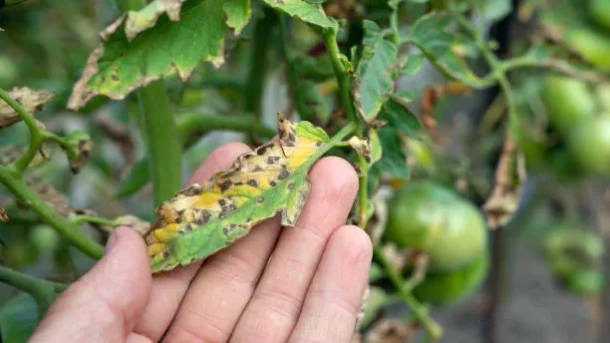
Crop Monitoring and Management: Digital systems provide real-time crop monitoring using drones, satellite imagery, and remote sensing technologies. This ongoing observation assists in spotting early indications of stress, ailments, or pests, allowing for prompt intervention and averting potential output losses.

Yield Optimisation: Digital agricultural platforms can assist farmers in maximising crop yields by integrating data on soil health, weather patterns, and previous yield records. Better crop planning, ensuring the proper crops are planted in the right places, and implementing practises that increase yield are all made possible by analysing this data.

How are agricultural robots being used for precision seeding?

robots

Precision seeding is a growing use for agricultural robotics, which has a number of advantages in terms of accuracy, production, and efficiency. Here’s how using agricultural robots for precise seeding works.

Accurate Seed Planting: Agricultural robots using cutting-edge sensors, GPS, and computer vision technology can plant seeds with accuracy at the right depths and distances. With their ability to roam around fields autonomously or under remote supervision, these robots can guarantee constant and precise seeding. This accuracy aids in maximising crop yield, plant growth, and seed germination.

Variable Rate sowing: Depending on the crop requirements and the field conditions, agricultural robots can execute variable rate sowing techniques by varying the seed population density. The robot may modify the seeding rate for certain fields by analysing data from soil maps, yield maps, or other sources. This makes it possible to strategically plant seeds, maximising the utilisation of both seeds and resources while allowing for geographical heterogeneity.

Agricultural robots have the ability to monitor and make adjustments to seeding operations in real time. They can evaluate soil conditions, track seed dispersal, and spot any problems or anomalies throughout the seeding process thanks to onboard sensors and imaging equipment. This real-time observation enables quick.

What is the role of remote-controlled drones in crop pollination?

crop

The application of AI (Artificial Intelligence) and machine learning techniques for crop disease prediction is growing. Here is how this situation applies AI and machine learning.

Large volumes of data, such as past disease records, meteorological information, soil conditions, crop traits, and management techniques, must be gathered in order to anticipate crop diseases. AI and machine learning algorithms can help with data collection and integration from a variety of sources, including sensor networks, remote sensing, weather stations, and agricultural databases.

Recognition of Disease Patterns: AI and machine learning algorithms can locate patterns and connections related to diseases in the obtained data. These algorithms can find hidden patterns and associations that might not be immediately obvious to humans by examining historical sickness records and related circumstances. This aids in comprehending the variables affecting the development and spread of disease.

Disease Prediction Models: Based on the gathered and preprocessed data, machine learning algorithms can create predictive models for diseases. Based on input factors including meteorological conditions, crop health indicators, and management techniques, these models can be taught to recognise trends and predict the risk of disease development or severity. These prediction models are typically constructed using supervised learning methods such as decision trees, random forests, support vector machines, and neural networks.

How are AI and machine learning used for predicting crop diseases?

The study and comprehension of plant features and their interactions with the environment have been completely transformed by advances in plant phenotyping technologies. The following are significant developments in plant phenotyping.

High-Throughput Phenotyping: In high-throughput phenotyping, numerous plant properties are quickly and non-destructively measured. Robotics, imaging platforms, sensors, and other automated systems are used to do this. These technologies can quickly collect data from hundreds or thousands of plants, allowing scientists to more precisely and quickly analyse plant properties. Breeding programmes, genetic research, and agricultural development initiatives have all been greatly enhanced by high-throughput phenotyping.

Imaging Technologies: Imaging technologies with sophisticated plant phenotyping capabilities include hyperspectral imaging, thermal imaging, and 3D imaging. By taking pictures in a variety of spectral bands, hyperspectral imaging enables the evaluation of plant biochemical composition, stress reactions, and disease identification. Plant stress can be identified via thermal imaging, and water use efficiency can be tracked. Detailed information on plant architecture, root development, and canopy structure is available thanks to 3D imaging. These imaging techniques offer insightful information about the characteristics of plants and how they react to their surroundings.

Non-Invasive Sensors: Non-invasive sensors that don’t injure or disturb plants, such spectrometers, fluorometers, and gas analyzers, are used to detect their varied physiological and biochemical characteristics. For instance, gas analyzers and chlorophyll fluorescence sensors can both evaluate photosynthetic efficiency and stress reactions.

What are the advancements in plant phenotyping technologies?

phenotyping

The study and comprehension of plant features and their interactions with the environment have been completely transformed by advances in plant phenotyping technologies. The following are significant developments in plant phenotyping.

High-Throughput Phenotyping: In high-throughput phenotyping, numerous plant properties are quickly and non-destructively measured. Robotics, imaging platforms, sensors, and other automated systems are used to do this. These technologies can quickly collect data from hundreds or thousands of plants, allowing scientists to more precisely and quickly analyse plant properties. Breeding programmes, genetic research, and agricultural development initiatives have all been greatly enhanced by high-throughput phenotyping.

Non-Invasive Sensors: Non-invasive sensors that don’t injure or disturb plants, such spectrometers, fluorometers, and gas analyzers, are used to detect their varied physiological and biochemical characteristics. For instance, gas analyzers can evaluate carbon absorption and transpiration rates, while chlorophyll fluorescence sensors can gauge photosynthetic effectiveness and stress responses. These sensors offer real-time information on plant health, functioning, and responses to external stimuli.

UAVs and Remote Sensing: The use of unmanned aerial vehicles (UAVs) and satellite pictures for remote sensing has greatly improved the ability to phenotype plants. Large-scale monitoring is possible thanks to satellite images, which also offers information on growth trends, crop health, and vegetation indices. High-resolution cameras or sensors on UAVs can gather precise and localised data on plant characteristics including biomass, leaf area, and crop.

How is 5G technology being implemented in smart farming applications?

5G technology

Smart farming apps are using 5G technology to revolutionise agricultural methods and make innovative technologies more widely adopted. The following are some significant applications of 5G in smart agriculture.

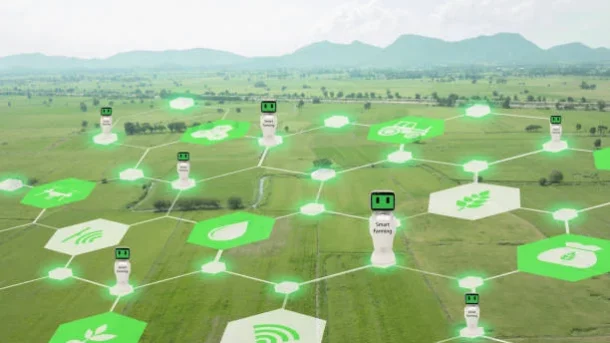
Enhanced Connectivity: 5G technology overcomes the drawbacks of conventional networks by offering incredibly fast and dependable connectivity. It makes it possible for seamless real-time data flow between numerous devices and sensors, which makes it easier to include numerous smart agricultural technologies. With this improved connectivity, the various parts of the ecosystem for smart farming can communicate and exchange data easily.

Integration of the Internet of Things (IoT): 5G enables the widespread use of IoT equipment in agriculture. Sensors, drones, robots, and autonomous machines are just a few examples of the gadgets that produce and communicate enormous amounts of data. Real-time monitoring, decision-making, and automation in agricultural operations are made possible by the high-speed and low-latency capabilities of 5G IoT devices.

Remote Monitoring and Control: 5G technology makes it possible to remotely monitor and manage machinery and systems used in agriculture. High-resolution cameras, drones, and other sensors can be used by farmers to remotely monitor their crops, livestock, and infrastructure. They have access to up-to-the-minute information on things like soil moisture, temperature, humidity, and animal health, which enables them to take prompt judgements and action. Precision farming techniques are made easier by remote control of machinery and equipment made possible by 5G connectivity.

What are the benefits of using smart beekeeping technologies?

smart beekeeping

Smart beekeeping technology has a number of advantages for beekeepers as well as for the general wellbeing and production of bee colonies. Here are several major advantages.

Real-time monitoring of hive conditions, like temperature, humidity, hive weight, and activity levels, is made possible by smart beekeeping technologies. This information offers useful insights into the condition of the bee colony, enabling beekeepers to identify possible problems like disease outbreaks, pest infestations, or colony swarming early on. Making informed management decisions and acting quickly to solve any issues requires constant observation of the hive’s conditions.

Swarm prevention: Swarming is a normal behaviour for honey bees, however it can reduce beekeepers’ production. Swarming incidents can be predicted and avoided with the aid of smart beekeeping technologies. Beekeepers can recognise conditions that are conducive to swarming and take preventive actions, such as hive manipulations or queen replacement, to effectively manage swarm control by keeping an eye on colony population, brood development, and environmental factors.

Disease and Pest Management: By offering early diagnosis and action, smart beekeeping systems help with disease and pest management. For instance, monitoring tools can spot varroa mites, a serious hazard to bee colonies, and notify beekeepers to take prompt action. Additionally, monitoring systems enable targeted interventions, limiting the development of illnesses like Nosema and American foulbrood, and assist track their spread.