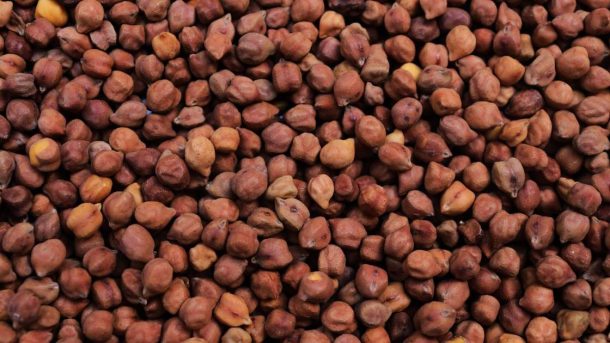
Treat the seeds with one package of Phospho bacteria Rhizobial Culture. Apply 10 packets of Rhizobium (2 kg/ha). Apply 10 packets of Phosphobacteria (2 kg) with 25 kg of FYM and 25 kg of soil before sowing if seed treatment is not done. Before sowing, dry the biofertilizer-treated seeds in the shade for 15 minutes.
Scientific Farming
How to treat powdery mildew in coriander?
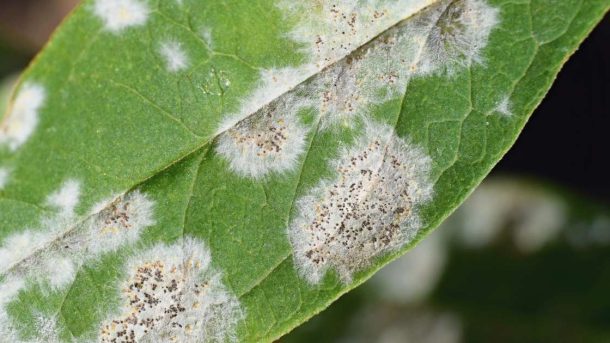
Seed treatment with Pseudomonas fluorescens ( Pf 1 ) @ 10 g /kg and foliar spray of Pf1 2 g/lit or Spray Wettable sulphur 1 kg/ha or Dinocap 250 ml/ha at the time of initial appearance of the disease and 2nd spray at 10 days interval. Neem seed kernel extracts 5 % spray thrice (1st spray immediately after the appearance of disease, 2nd and 3rd at 10 days interval).
How bordeaux mixture is prepared?
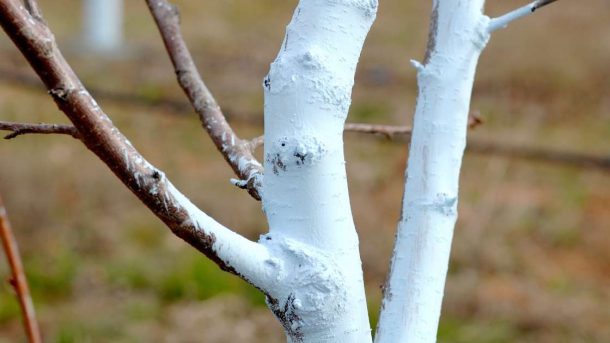
A quantity of 400 g of copper sulphate should be dissolved in 20 litres of water, and 400 g of lime should be dissolved in another 20 litres of water. By constantly stirring the mixture, the copper sulphate solution should be added to the lime solution. Metallic containers should not be used, and only earthen or wooden vessels and plastic containers should be utilised. A polished knife should be dipped in the mixture for one minute and then removed to see if the proportions are proper. If there is a reddish brown copper deposit in the knife, more lime should be added until there is no deposit.
What are bonsai plants ?
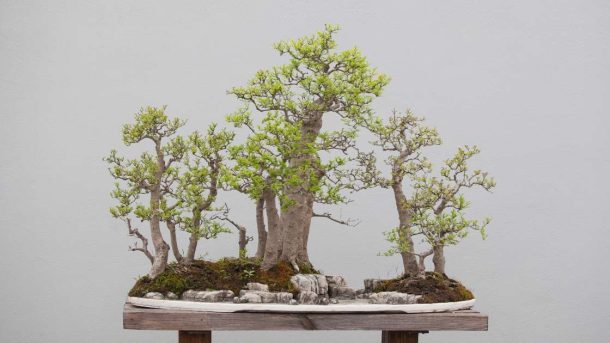
Bonsai is the art of growing and training a plant into a small form with an aged appearance. Although it originated in China, it is now known as Japanese art. It uses the technique of dwarfing in plants. Bonsai can grow as small as 30 to 60 cm tall, while smaller sizes of less than 25 cm have also been popular.
What is vertical gardening ?
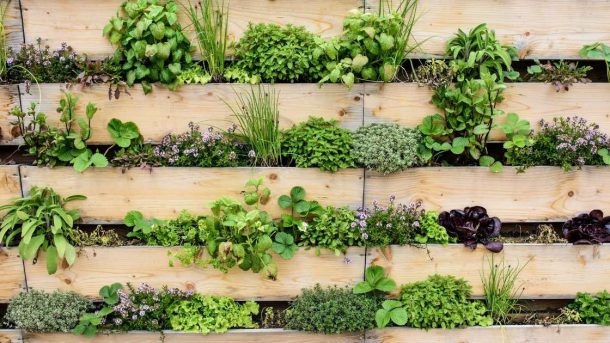
Vertical gardening is a type of urban gardening that is especially suited to tiny spaces and may be used to decorate the walls and rooftops in a variety of styles. This is a different approach to gardening that allows to grow plants in a vertical environment. There is very little horizontal area for outdoor gardening due to intensive urbanisation. Green walls absorb hot gases in the air, lowering both indoor and outdoor temperatures and resulting in a healthier indoor air quality as well as a more attractive environment.
What is the rate of fertilizer application in maize ?
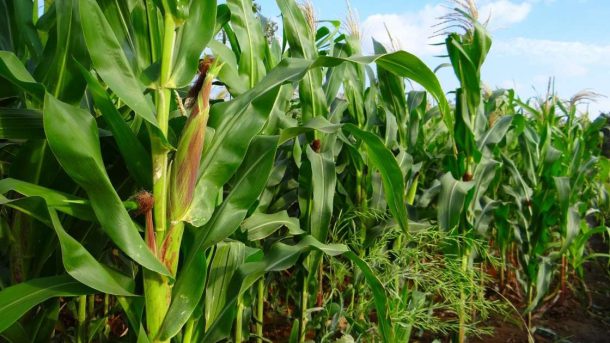
Apply NPK fertilizers as per soil test recommendation as far as possible. If soil test recommendation is not available adopt a blanket recommendation of 135:62.5:50 NPK kg/ha. Apply quarter of the dose of N; full dose of P2O and K2O basally before sowing. In the case of ridge planted crop, open a furrow 6 cm deep on the side of the ridge, at two thirds the distance from the top of the ridge. Apply the fertilizer mixture along the furrows evenly and cover to a depth of 4 cm with soil.
What is aeroponics?
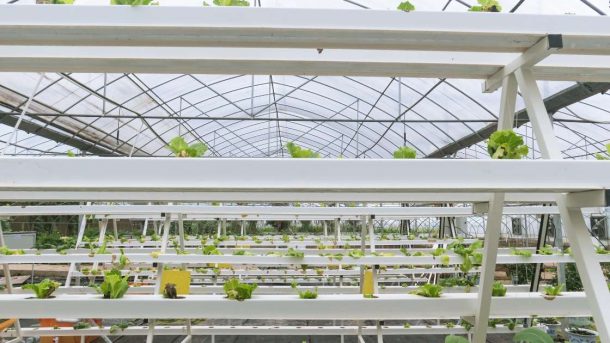
Aeroponics is the process of growing plants within an air or mist environment. It’s one of the six basic types of hydroponic plant-growing method where plants are suspended with the roots exposed in the air. Every few minutes, a nutrient solution is sprayed directly on the roots itself. Aeroponics is considered the most technologically advanced hydroponic method.
What is transplanting?
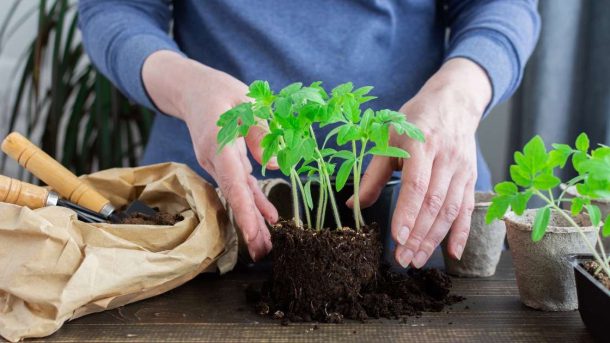
Transplanting is taking a rooted crop and replanting it elsewhere. Transplanting is common practice for transferring baby plants from their optimal sprouting conditions to another location, like outdoors.
Which are the different farming systems?
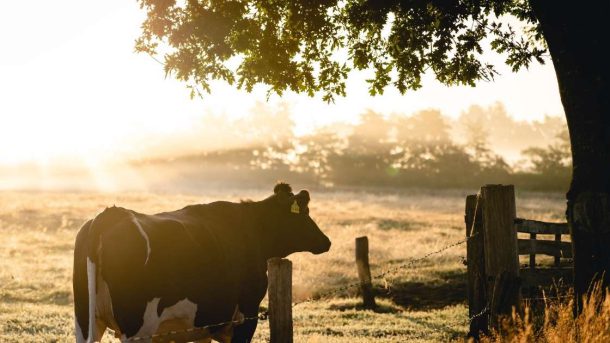
Different type of farming systems include arable farming, mixed farming, subsistence farming, shifting cultivation plantation farming, livestock farming.
What impact does farming have on soil health?
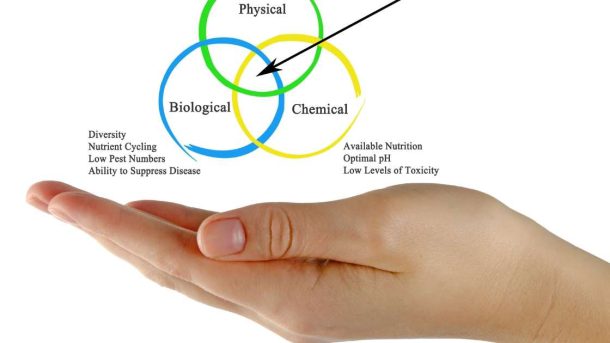
Farmers often add nutrients to the soil to improve crop yields. However, some of these nutrients and fertilizers can affect the micro-organisms in the soil’s ability to produce natural compounds the crops need. While soil loss has improved greatly since the 1980s, farming still leads to loss of soil, due to processes like clearing trees and plowing. The last way farming impacts soil is through overgrazing. When animals eat large amounts of the natural vegetation, soil wash or blow away. Extreme overgrazing can even lead to desertification or expansion of desert conditions.