
Soil acidity can be corrected easily by liming the soil, or adding basic materials to neutralize the acid present. The most commonly used liming material is agricultural limestone, the most economical and relatively easy to manage source. The limestone is not very water-soluble, making it easy to handle. Limestone acts as a soil acid neutralizer and consists of either calcium and magnesium carbonate or calcium carbonate. These are called dolomitic limestone and calcitic limestone respectively. Adding organic matter to the soil helps in balancing soil pH.
Scientific Farming
What is the use of a tractor mounted sprayer?
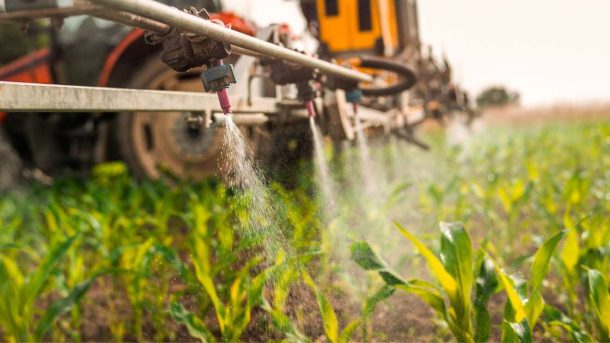
These are hydraulic energy sprayers. They utilize PTO power of the tractor to operate the pump of the sprayer. Basically the spray boom can be arranged in two ways; ground spray boom and overhead spray boom. The overhead spray boom is designed for tall field crops and the planting is done in such a way that it leaves an unplanted strip of about 2.5 m width for operation of the tractor. Therefore a planted strip may be 18-20 m wide and after every planted strip fallow strip has to be left for tractor operation. For ground spray boom the planting has to be done in rows keeping in view track width of the tractor. It is suitable for use when the crop is small.
What is a foundation seed?

Foundation seed is the progeny of breeder seed and is produced by State Farm Corporation of India, National Seed Corporation, State seed Corporation under technical control of qualified plant breeders or technical officers. Its production is supervised and approved by certification agency. The genetic purity of foundation seed should be maintained at 99.5 per cent. A white colour certificate is issued for foundation seed by seed certification agencies.
What are the characteristics of a good seed?
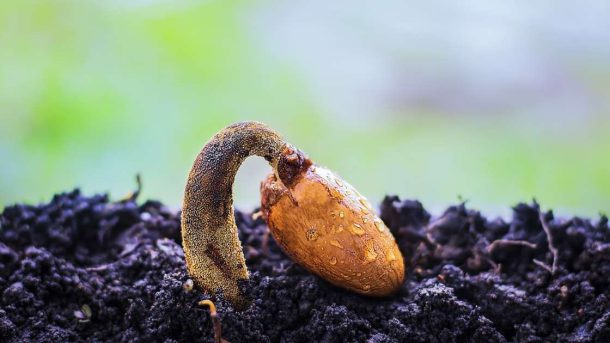
Seeds are classified as good on the basis of genetic purity, physical purity, and high pure seed percentage. Seed should be free from designated diseases like loose smut in wheat ,free from objectionable weed seed like wild paddy in paddy, have good shape, size, colour, etc. according to specifications of variety, have high physical soundness and weight, posses high physiological vigour and stamina , Posses high longevity and shelf life and have optimum moisture content for storage.
What is Evapotranspiration and how it is important?

Evapotranspiration (ET) is the combined loss of water in the form of evaporation from the soil surface and transpiration from the plant through the stomata. Evapotranspiration which is the sum of transpiration through plant canopy and evaporation from soil, plant, and open water surface, can be the largest component of the hydrologic cycle. Improved techniques are needed for accurate quantification of ET on a field, watershed, and regional scale to enhance efficient use of water resources and protect the environment and water quality. Accurate quantification of ET is crucial in water allocation, irrigation management, evaluating the effects of changing land use on water yield, environmental assessment, and development of best management practices to protect surface and groundwater quantity and quality.
What is soil fertility?
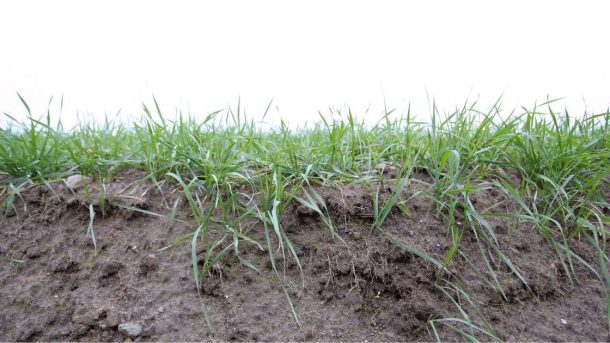
Soil fertility is generally defined as “ability of soil to supply plant nutrients”. Soil structure, soil texture, temperature, water, light and air also play an important role in maintaining soil fertility. Plant nutrients include the macronutrients nitrogen, phosphorus and potassium, sulfur, calcium and magnesium. Micronutrients are essentially boron, chlorine, copper, iron, manganese, molybdenum and zinc. Soil scientists that focus on soil fertility are interested in managing nutrients to improve crop production. They focus on using commercial fertilizers, manures, waste products, and composts to add nutrients and organic matter to the soil. Sometime they also add chemicals that change the pH to a more optimum level for nutrient availability to plants.
What is the role of gypsum in agriculture?
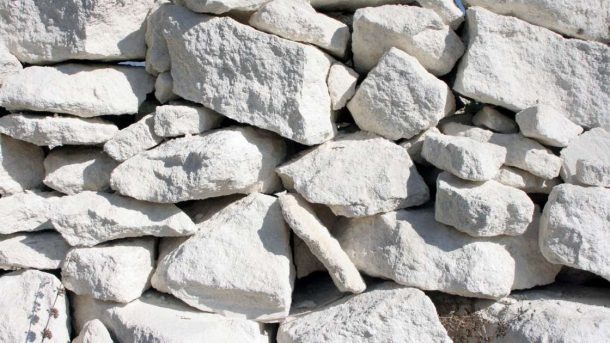
Gypsum is an excellent source of sulfur for plant nutrition and improving crop yield. One of gypsum’s main advantages is its ability to reduce aluminum toxicity, which often accompanies soil acidity, particularly in subsoils. Gypsum can improve some acid soils even beyond what lime can do for them, which makes it possible to have deeper rooting with resulting benefits to the crops. Surface-applied gypsum leaches down to to the subsoil and results in increased root growth. Gypsum has been used for many years to improve aggregation and inhibit or overcome dispersion in sodic soils. Gypsum also improves the ability of soil to drain and not become waterlogged due to a combination of high sodium, swelling clay and excess water.
What is the use of a castor sheller ?
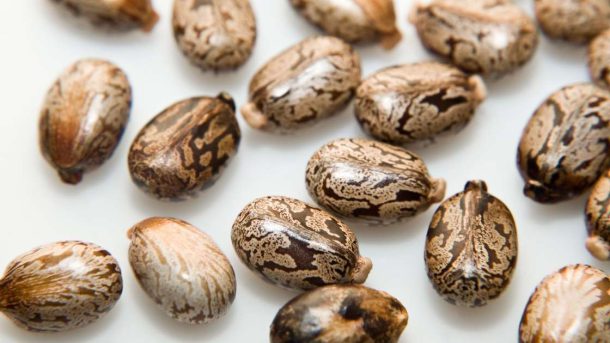
Castor sheller is used for shelling and cleaning castor pods. Traditionally , castor is shelled manually after drying under sunlight or by beating . It consists of feeding hopper, rubber coated disc type shelling unit and a blower. Castor is fed to the shelling unit through feed hopper. It is suitable for shelling and winnowing of dried castor pods. The unit can be either operated manually or with a 0.5 hp electric motor. It saves 88 per cent labour and operating time and 69 per cent on cost of operation compared to conventional method of manually beating or rubbing with wooden plank.
What is the use of a cultivator?
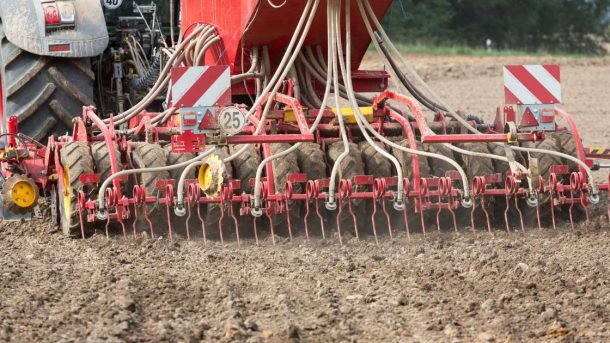
Cultivator is a farm equipment used for stirring and pulverizing the soil before planting or to eliminate weeds and to aerate and loosen the soil before plant begins to grow. It is powered by a tractor and stirs the soil to a great depth. Most of the cultivators are equipped with a hydraulic wing .Unlike a harrow , which disturbs the entire surface of the soil, cultivators are designed to disturb the soil in careful patterns, sparing the crop plants but disrupting the weeds.
What is PKVY ( Paramparagat Krishi Vikas Yojana ) ?
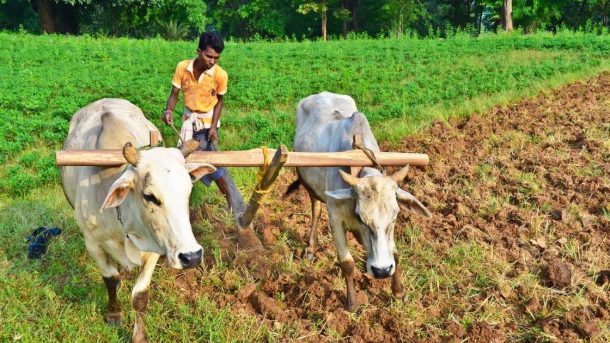
The Paramparagat Krishi Vikas Yojana (PKVY), an initiative to promote organic farming in the country, was launched by the NDA government in 2015. According to the scheme, farmers will be encouraged to form groups or clusters and take to organic farming methods over large areas in the country. The aim is to form 10,000 clusters over the next three years and bring about five lakh acres of agricultural area under organic farming. The government also intends to cover the certification costs and promote organic farming through the use of traditional resources. To avail the scheme, each cluster or group must have 50 farmers willing to take up organic farming under the PKVY and possess a total area of at least 50 acres. Each farmer enrolling in the scheme will be provided INR 20,000 per acre by the government spread over three years time.