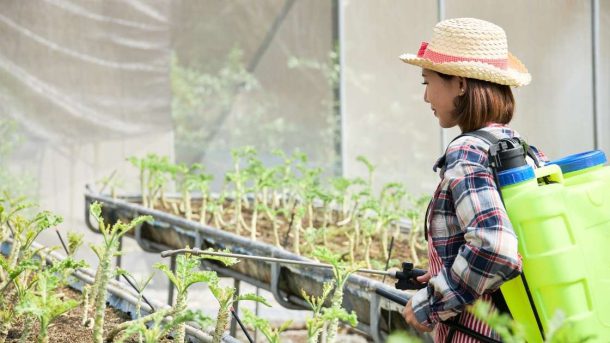
Stimulates growth and imparts a healthy green colour to the plant. Potash, phosphorus, and other nutrients are more easily absorbed. Encourage plumpness and succulence in fruits, as well as a higher protein content.
Scientific Farming
How to control rhizome rot in cardamom?
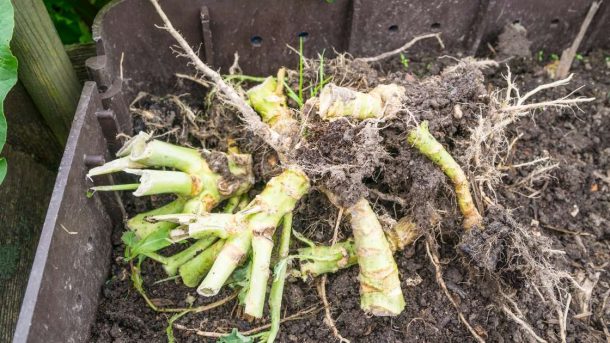
Drench nursery with 1 lit of Formaldehyde in 50 lit water for 3 sq.m. before sowing. Prophylactic drench with 0.25% Mancozeb or 1% Bordeaux mixture immediately after germination to control Pythium and 0.05% Carbendazim after 15 days to control Rhizoctonia.
What is the climate requirement for anthurium?
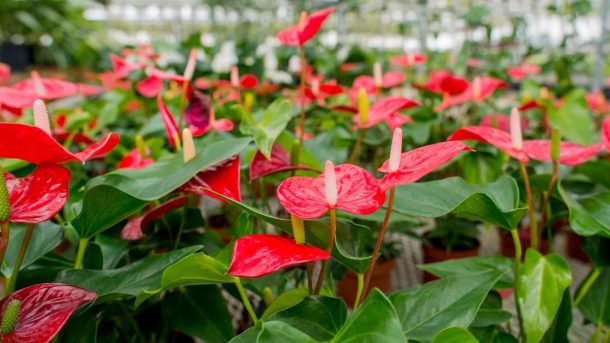
Anthurium prefers a permeable, well-drained, aerated soil with plenty of organic matter. The pH of the soil should be between 5.5 and 6.5. It thrives under green shade nets with 70–80 percent shade intention, 80–90 percent humidity, 24–28°C daytime temperatures, and 15–22°C nighttime temperatures, and 1500–2000 foot candles light intensity.
How seed treatment of groundnut is done ?
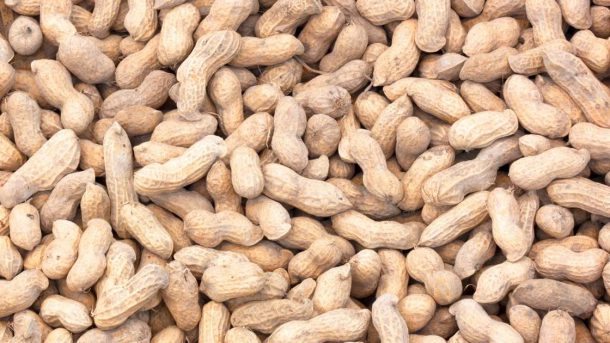
Biocontrol agents and biofertilizers are compatible. Biocontrol agents are applied first, followed by Rhizobium. Biocontrol agents and fungicides are incompatible. Treat the seeds with Trichoderma viride @ 4 g/kg seed or Pseudomonas fluorescens @ 10 g/kg seed. Treat the seeds with Thiram or Mancozeb @ 4 g/kg of seed or Carboxin or Carbendazim at 2 g/kg of seed. Treatment with Trichoderma can be done just before sowing
How land preparation is done for groundnut cultivation?
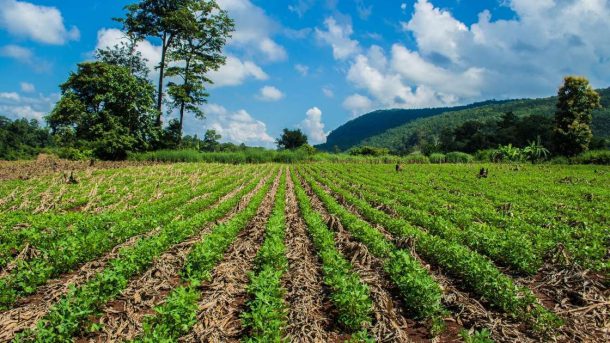
Plough with tractor disc followed by harrow, once or twice with iron plough or three to four times with country plough, until all clods are broken and a good tilth is achieved. Once every three years, chisel the soils with hard pan formation at shallow depth using a chisel plough, first in one direction and then in the direction perpendicular to the previous one. In addition to chiselling, apply 12.5 t/ha FYM or composted coir pith.
How termites are managed in mulberry ?
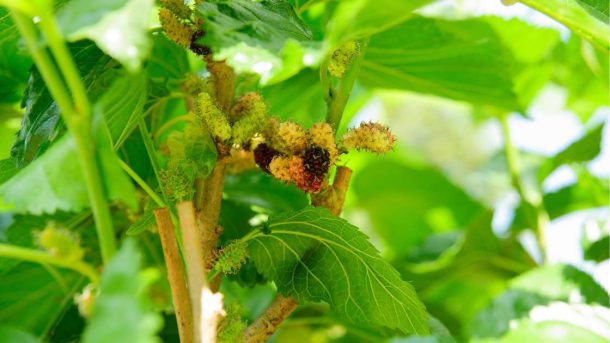
Termite colonies are located and destroyed by removing queen termite. Mounds are treated with 50 ml chlorpyriphos 20 EC. Swabbing or drenching of established plants at the base with 50 ml chlorpyriphos 20 EC.
What type of soil is required for cultivating jute ?
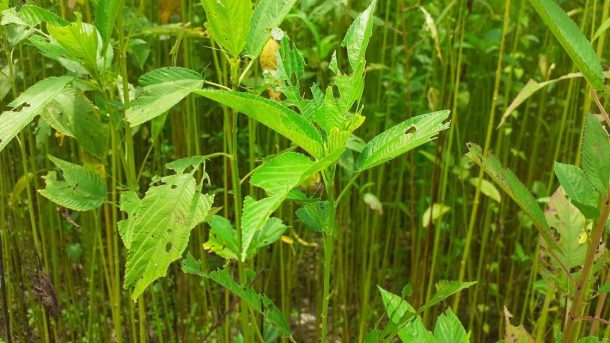
Jute production thrives in alluvial sandy loam and clay loamy soils. Capsularis jute can grow in standing water, especially at the end of its life cycle. In standing water, Olitorius jute will not grow. Because it is more drought resistant, it is planted in lighter soils.
What are herbaceous perennials?
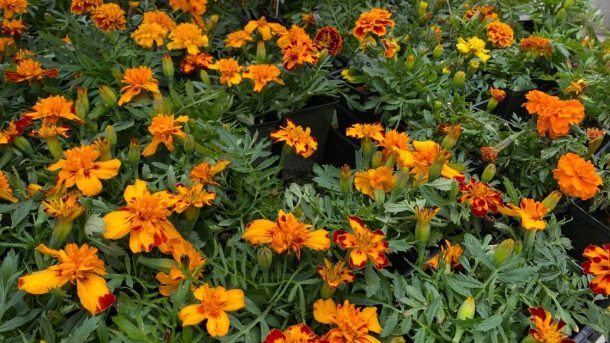
Perennial plants with soft succulent stems are known as herbaceous perennials (as compared to shrubs which have woody stems). Seeds, cuttings, offsets, and slips are used to reproduce them. They’re great for herbaceous or mixed borders, as well as pot culture.
What are annual plants ?
Balsam and Cosmos are examples of annuals, which complete their life cycle in one season or year. Annuals are a type of plant that grows to maturity, flowers, then dies in a single year or season. They usually finish their life narrative in 3 to 6 months. They are a collection of some of the most beautiful and easy-to-grow plants, with a wide range of form, growth habit, and colour. Rainy season annuals, chilly season or winter annuals, and warm weather annuals are the three types of annuals.
What are the advantages of green manuring ?
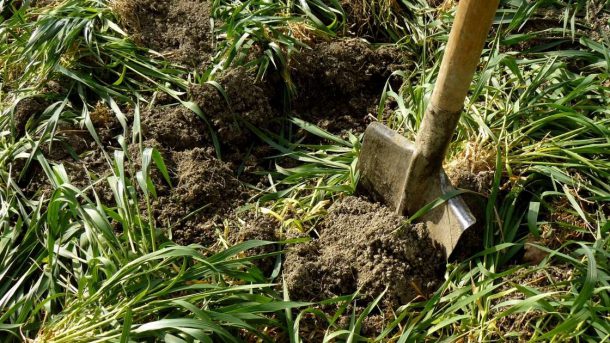
Green manuring helps in improving soil structure, increasing water holding capacity and decreases soil loss by erosion. Growing of green manure crops in the off season reduces weed proliferation and weed growth. Green manuring helps in reclamation of alkaline soils. It also helps in controlling root knot nematode.