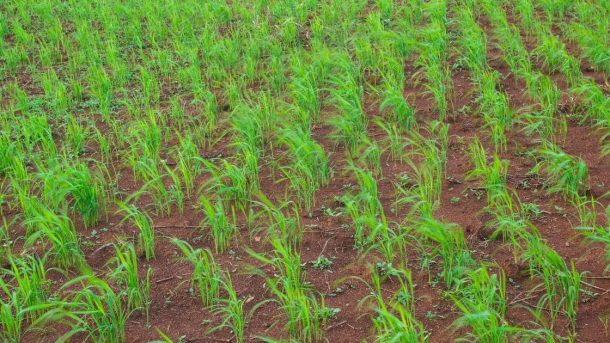
Prepare the field with the first summer rains. Plough the field thoroughly. Use the disc harrow a total of two times. Apply 10 t/ha of farmyard manure. Lime should be applied every three years. After soil testing, determine the dosage. Lime will be applied in the furrows, which will lower the amount of lime required. Before sowing, make sure the field is properly levelled. Make 25cm-distance rows that are uniform. To make shallow furrows, use a row marker (rows). Before planting, mix in a base dose of fertiliser (20 kg N, 60 kg P, 40 kg K/ha) and carbofuran granule (1 kg a.i./ha) in the furrows.
Scientific Farming
What is green sim card for farmers ?
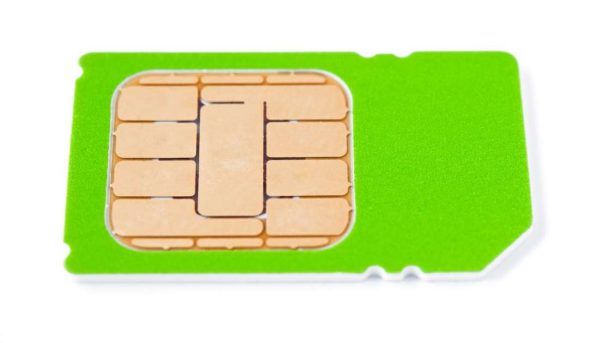
The IFFCO Kisan Sanchar Ltd has launched a green SIM card for farmers (IKSL). IFFCO (Indian Farmers Fertilizers Cooperative) and AIRTEL have partnered to form IKSL. IKSL empowers rural farmers by providing voice-based agricultural information in regional languages. In 2008, this service was launched. Subscribers receive 5 recorded voice messages. everyday. Each voice message is of one minute duration. These messages are in regional languages, covering various fields like Agriculture, Animal husbandry, Horticulture, Insurance, Government policies and schemes, Mandi prices, weather forecast, Sericulture, Pisciculture, Crop Loans, Plant protection, Health etc.
What indicates calcium deficiency in tomato?
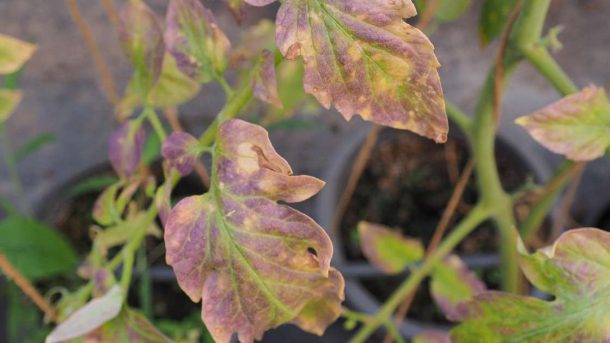
Necrosis can be seen around the base of calcium-deficient leaves. Tomato blossom-end rot is a classic indication of calcium insufficiency. Symptoms include soft, lifeless necrotic tissue. As a result of this, the leaf margins grow more slowly than the remainder of the leaf, causing the leaf to cup downward. Plants that are deficient in calcium have a much higher tendency to wilt than plants that are not stressed.
How leaf webber causes damage in sesame?
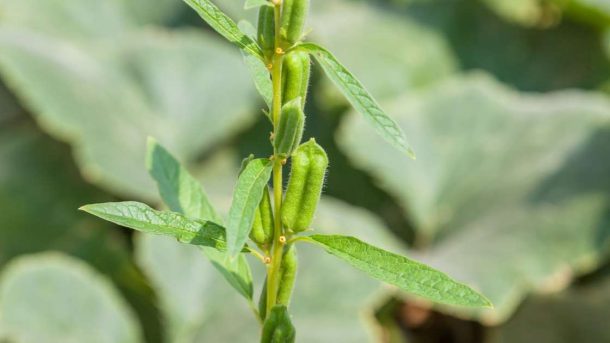
Larvae bind a few top leaves together and feed on them. The plant dies without forming any branch or shoot in the early stages of infection. Infested shoots stop growing at a later stage of the attack. Larvae eat inside flowers during flowering, while larvae dig into capsules during capsule formation to feed on developing seeds. From July to September, the pest is active.
What is seed grading ?
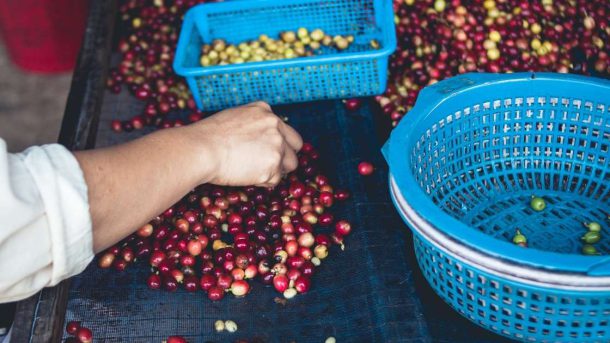
Classification of seed lot based on commercial usage viz., size shape, density and colour is known as grading. It is done further improvement of seed lots as finishing operation. It improves the seed lot by removal of cracked, damaged, shriveled and other defective seeds apart from inert matter.
What is augmentation in IPM ?
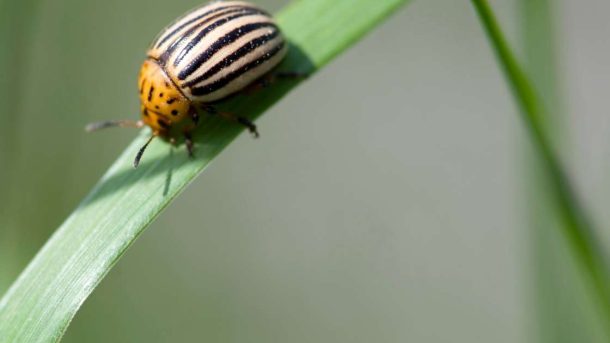
The population of natural enemies already present in the area is enlarged as a result of this procedure. This is accomplished by releasing bioagents that have been raised in the lab or collected in the field. The bioagents discharged are of the same species and in sufficient numbers to reduce the pest population in that area. This method is aimed at eradicating pests quickly in the short run.
How dwarfing of banana is done ?
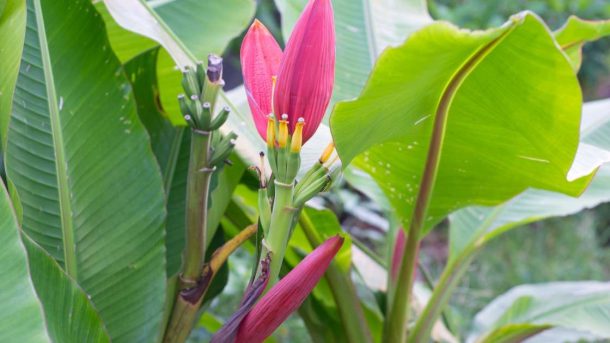
Application of growth retardants significantly reduces the plant height; this effect improves the appearance of banana and increases the use of plant for ornamental gardening. Plant height was reduced two months following application of PP333 0.25 mg/plant at the conclusion of the hardening period. The addition of growth retardants (GR) to liquid culture media during the multiplication stage of bananas, such as Ancymidol (ANC) or Paclobutrazol (PBZ), reduces the excessive growth of stems and leaves. Paclobutrazol, when applied to the soil, reduces plant height by 25% while having no effect on flowering.
What are the advantages of nursery management ?
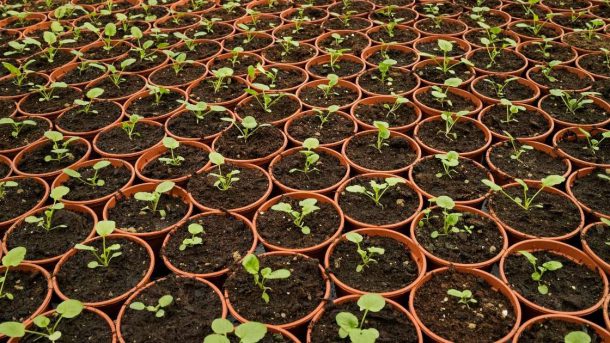
It is possible to provide favourable growth conditions i.e. germination as well as growth. Better care of younger plants as it is easy to look after nursery in small area against pathogenic infection pest and weed. Crop grown by nursery raising is quite early and fetch higher price in the market. So economically more profitable. There is saving of land and labour as main field will be occupied by the crop for lesser duration. Hence intensive crop rotation can be followed. More time is available for the preparation of main field because nursery is grown separately. As vegetable seeds are very expensive, particularly hybrids, seed cost can be economized by sowing them in the nursery.
What are the characteristics of Kamrupa?
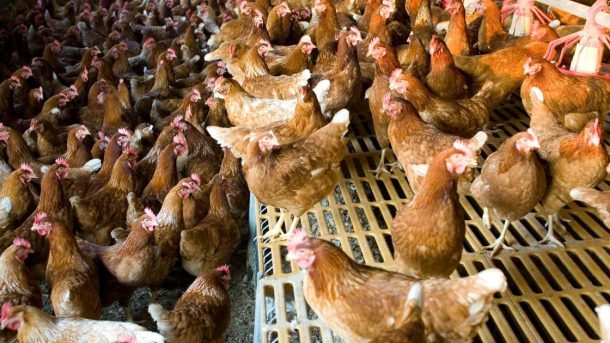
“Kamrupa” is a multi-colored bird for rural chicken production developed at Assam Agriculture University. It is a three- way cross produced using the population of Assam local ecotype (25 percent), Coloured Broiler (25 percent), and Dalhem Red (50 percent). Colored plumage, a medium body weight, and longer shanks with optimal egg production characterise this variety. The body weight at 8 and 20 weeks under the backyard system is 500-650 grammes and 1300-1500 grammes, respectively.
How to control bud borer in carnation ?
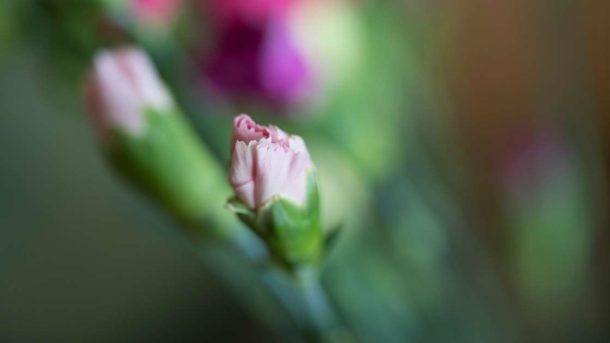
Collection and destruction of larvae reduces further infestation. Spray quinalphos 25 EC @ 2ml/l or methyl parathion 50 EC @ 1 ml/l or endosulphan 35 EC @ 2 ml/l at 15 days interval. Spray indoxacarb 14.5 SC @ 1 ml/l or thiodicarb 75 WP @ 1g/l if the incidence is severe. Spraying of of HaNPV (Helicoverpa armigera Nuclear Polyhedrosis Virus) @ 250 LE/ha followed by neem formulations1-2 ml/l or neem seed kernel extract 40g/l.