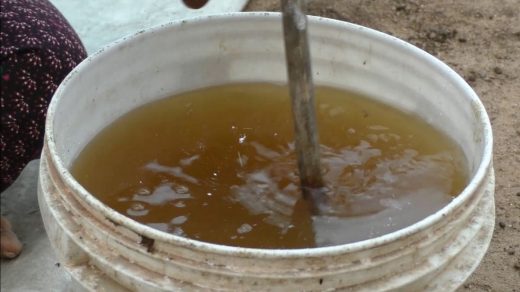
Yes, using biofertilizers in greenhouse cultivation can improve plant health, growth, and nutrient uptake. Greenhouses offer a regulated environment for plant growth, which makes them the perfect place to apply biofertilizers. The following are some advantages of employing biofertilizers in greenhouse agriculture:
Improved Nutrient Availability: Biofertilizers like phosphate-solubilizing bacteria and nitrogen-fixing bacteria assist increase the availability of nutrients in the soil. This can be especially helpful in greenhouse configurations where nutrient retention can be difficult.
Mycorrhizal fungi, a type of biofertilizer, develop symbiotic associations with plant roots to increase the nitrogen uptake efficiency of greenhouse crops.
Reduced Dependence on Chemical Fertilizers: By utilizing biofertilizers in addition to or as a partial replacement for chemical fertilizers, greenhouse farmers can lessen their reliance on synthetic fertilizers, improving the sustainability of their production practices.
Sustainable Soil Health: Biofertilizers help greenhouse cultivation soils have better soil health and more microbial activity, which supports a healthier rhizosphere for plant growth.
Disease Suppression: Some biofertilizers promote systemic resistance in plants, which can help protect greenhouse crops from illnesses that are transmitted through the soil.
Organic Certification: Because certain types of biofertilizers adhere to the principles of organic farming, they may be useful for greenhouse producers seeking organic certification.