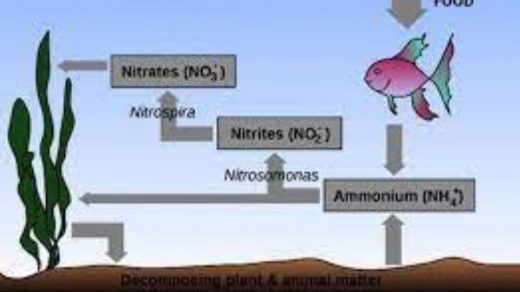
Water pollution: Excess nutrients can wash off the soil surface and leak into the groundwater or be transferred into neighboring water bodies by runoff when chemical fertilizers are overused or applied at the wrong time. This may result in water pollution, particularly eutrophication, or nutrient enrichment. Aquatic ecosystems are disrupted by eutrophication, which also causes excessive growth of aquatic plants and algae, lowers oxygen levels in water bodies, and causes fish deaths and biodiversity loss.
Use of chemical fertilizers improperly or excessively can damage the health and structure of the soil. High concentrations of some nutrients, like nitrogen, can cause the soil to become acidic, create nutritional imbalances, and diminish soil productivity. A deterioration may result from a continued reliance on chemical fertilizers without organic matter inputs.
Anhydrous ammonia and urea are two types of nitrogen fertilizers that have the potential to volatilize and release ammonia gas into the atmosphere, causing air pollution. Ammonia emissions cause smog and fine particulate matter to form, which is a result of air pollution. Additionally, ammonia can interact with other atmospheric contaminants and cause acid rain. Additionally, agricultural soils may release nitrous oxide (N2O), a strong greenhouse gas, as a result of excessive nitrogen fertilizer, which adds to climate change.
Loss of Biodiversity: Chemical fertilizers used in excess can harm biodiversity. High soil nitrogen levels can encourage the growth of species of competing plants, reducing the diversity of native plant life. Changes in soil pH and nutrient availability can also have an effect on beneficial soil microbes.