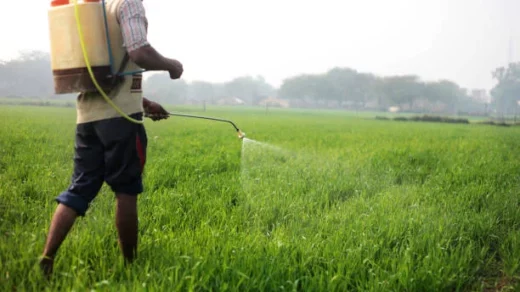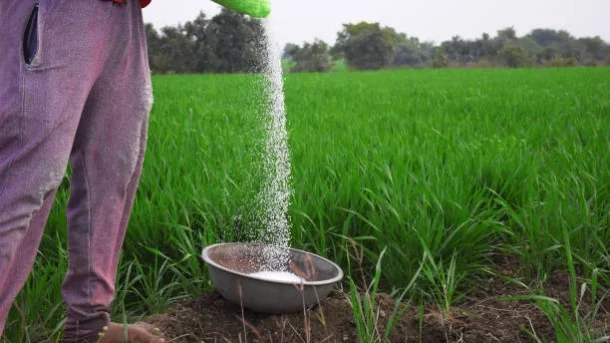
Water contamination can be caused by improper or excessive application of chemical fertilizers, which can cause nutrient runoff and leaching. In water bodies, an excess of nutrients, especially nitrogen and phosphorus, can result in eutrophication, which decreases oxygen levels, promotes algal blooms, and upsets the biological balance. Runoff from fertilizers may potential contaminate groundwater, harming supplies of drinking water.
Continuous use of chemical fertilizers without using good soil management techniques might cause soil degradation. Inadequate fertilization can lead to nutrient imbalances, soil acidification, and decreased soil fertility, especially when certain nutrients are used excessively. Chemical fertilizers can deplete soil organic matter levels if organic matter inputs are not present, which can have a negative impact on soil structure, water-holding capacity, and nutrient cycling.
Chemical fertilizers may have an effect on beneficial soil creatures like earthworms, mycorrhizal fungi, and other soil microbes. These organisms are essential for maintaining soil structure, nitrogen cycling, and general soil health. High concentrations of chemical fertilizers, especially synthetic nitrogen, can have a severe impact on the variety and number of these species, upsetting the balance of soil ecosystems.
Health and Safety Issues: If improperly used, several chemical fertilizers might be hazardous to one’s health and safety. Because they are caustic or toxic, some fertilizers, including anhydrous ammonia or concentrated liquid fertilizers, can be dangerous to handle. Health problems might result from fertilizer dust inhalation or unprotected contact with concentrated forms. To reduce potential dangers, safe techniques should be used for application, handling, and storage.