Advanced agriculture

How can knowledge sharing platforms enhance the adoption of advanced agricultural practices?

knowledge sharing platforms

By allowing the exchange of knowledge, best practices, and experiences between farmers, researchers, professionals, and stakeholders, knowledge sharing platforms significantly contribute to the adoption of improved agricultural practices. Here are some ways that knowledge-sharing platforms can encourage the adoption of cutting-edge agricultural techniques:

Access to knowledge sharing platforms makes it simple to find a multitude of materials and information about cutting-edge agricultural techniques. These platforms can house databases, academic papers, case studies, instructions, and other pertinent materials. Farmers have access to this knowledge at their convenience, enabling them to learn about cutting-edge methods, strategies, and best practices.

Peer learning and collaboration are made possible through platforms for knowledge exchange, which connect farmers with their peers who have already embraced cutting-edge agricultural practices. Farmers can collaborate to learn by sharing their experiences, accomplishments, and difficulties. Farmers are more willing to try out novel techniques and technology as a result of peer-to-peer learning, which increases their trust, credibility, and confidence.

Expert counsel and recommendations: Agriculturists, researchers, and extension services frequently participate in knowledge-sharing platforms. Through online forums, webinars, or face-to-face contacts, farmers can get help from these professionals in the form of advice, direction, and assistance. The availability of specialist knowledge aids farmers in making knowledgeable decisions, resolving issues, and receiving advice tailored to their local environments.
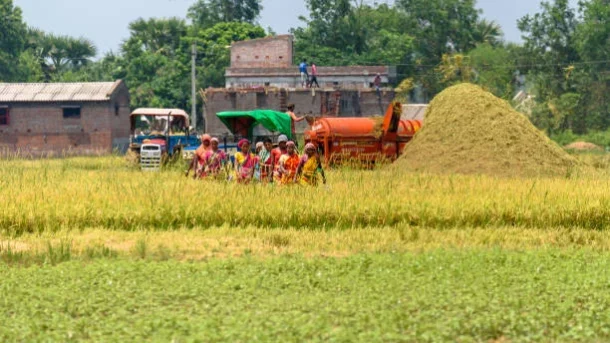
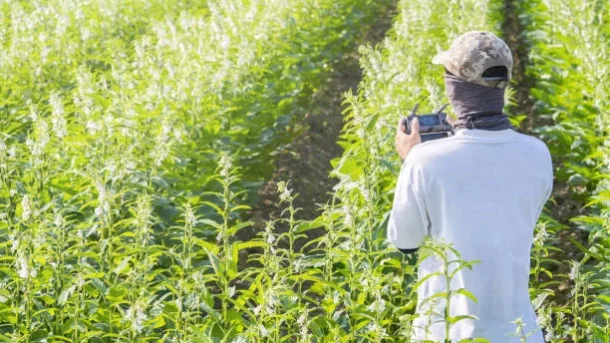
Peer learning and collaboration are made possible through platforms for knowledge exchange, which connect farmers with their peers who have already embraced cutting-edge agricultural practices. Farmers can collaborate to learn by sharing their experiences, accomplishments, and difficulties. Farmers are more willing to try out novel techniques and technology as a result of peer-to-peer learning, which increases their trust, credibility, and confidence.

Expert counsel and recommendations: Agriculturists, researchers, and extension services frequently participate in knowledge-sharing platforms. Through online forums, webinars, or face-to-face contacts, farmers can get help from these professionals in the form of advice, direction, and assistance. The availability of specialist knowledge aids farmers in making knowledgeable decisions, resolving issues, and receiving advice tailored to their local environments.
What is the impact of advanced agriculture technologies on rural livelihoods?

rural livelihoods

Advanced agricultural technologies can have a major and varied impact on rural livelihoods. The following are some significant ways that modern agriculture technologies may impact rural livelihoods:

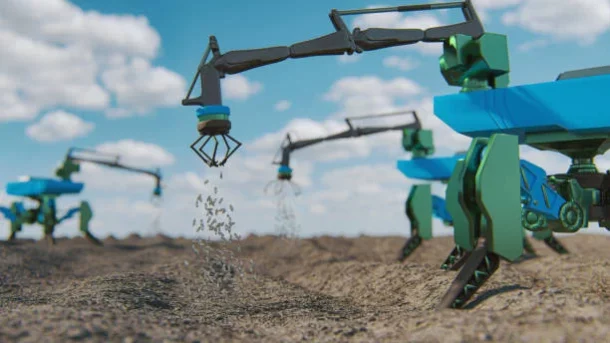
Increased output and income: Cutting-edge agricultural technology like robots, precision farming, and intelligent machines can increase output and crop yields. Farmers may increase the amount of food they produce through boosting efficiency, minimizing waste, and optimizing resource use. Increased income from higher production translates into better livelihoods and economic well-being for rural farmers.

Enhanced job opportunities: Although modern technology may automate certain conventional farming chores, its adoption may also open up new employment opportunities in rural regions. In order to handle data analytics, develop software, and maintain high-tech equipment, trained personnel are required.

The implementation of cutting-edge agricultural technologies necessitates the development of new knowledge and skills among farmers. Farmers who want to use and manage these technology properly can benefit from training programs, workshops, and extension services. Learning new skills improves rural communities’ capacity, enabling farmers to adopt progressive practices, make wise decisions, and continuously improve their agricultural practices.

Sustainable agricultural practices: Sustainable agricultural practices are frequently promoted by advanced agricultural technologies. Farmers can adopt more effective and environmentally friendly practices by utilizing technologies like precision agriculture, remote sensing, and data analytics to maximize resource usage, cut back on chemical inputs, reduce environmental impact, and minimize environmental impact. These eco-friendly techniques help to safeguard the environment over time, preserve natural resources, and enhance the sustainability of rural livelihoods.

How does real-time monitoring of crop conditions optimize pest control measures?

real-time monitoring

By providing fast and reliable information on insect populations, infestation levels, and crop health, real-time monitoring of crop conditions plays a critical role in improving pest control efforts. Real-time monitoring improves pest management in the following ways:

Real-time monitoring enables early detection of pests or indications of harm from pests. Farmers can spot the presence of pests at the first signs of infestation by using a variety of monitoring tools such traps, sensors, or visual inspection. Early discovery allows for prompt action and focused pest management techniques, reducing pests’ ability to spread and their effects.

Effective action: Up-to-date information on pest activity and population dynamics is provided by real-time monitoring. Farmers can choose the best time to intervene in pest management using this knowledge.

Real-time monitoring enables farmers to establish pest population thresholds or action levels based on scientific information and regional circumstances. Farmers can decide when to start pest management techniques by establishing these criteria. The right timing and level of pest management actions can be determined using monitoring data along with knowledge about pest biology and crop vulnerability. Through the avoidance of pointless pesticide treatments when pest populations are below harmful levels, threshold-based decision making supports sustainable pest management.

Targeted management methods: Real time monitoring provide information on the location and population density of the specific pest species. Farmers can use this information to create targeted pest control techniques that are specific to the identified pests. Farmers can use selective pesticides to prevent the use of broad-spectrum pesticides, which can kill beneficial creatures and disturb the ecological balance.

What are the benefits of using controlled environment agriculture in urban areas?

controlled environment agriculture

When used in urban locations, controlled environment agriculture (CEA) has a number of advantages. The following are some major benefits of applying CEA in urban settings:

Crop production all year long: controlled environment agriculture permits crop production all year long, regardless of the outside weather. Crop production is made possible by CEA systems by offering a controlled environment that includes temperature, humidity, light, and CO2 levels. As a result, metropolitan regions have a consistent and predictable supply of food because there is less reliance on seasonal variations and outside causes.

Effective use of space: The amount of agricultural land that is available in urban settings is frequently constrained. Contrary to conventional agricultural practices, CEA systems, such as vertical farms, hydroponics, or aeroponics, make better use of available space. Higher crop yields are possible because they can be built to make the most of vertical or horizontal space.

Water conservation: CEA systems use water quite effectively. They frequently use water-recycling and -reusing closed-loop irrigation technologies, including hydroponics or aeroponics. By reducing evaporation, runoff, and losses brought on by ineffective irrigation techniques, CEA can dramatically cut water use when compared to conventional open-field agriculture. In metropolitan settings where there is a lack of water, this water saving is very beneficial.

Reduced use of pesticides and herbicides: In CEA systems, the controlled environment offers advantages for managing pests and diseases naturally. The requirement for chemical pesticides and herbicides can be considerably reduced by CEA by avoiding exposure to external pests. The use of biological control agents, a type of integrated pest management (IPM) strategy, can be more successfully applied in CEA, further lowering reliance on chemical inputs. Produce for urban markets becomes cleaner and healthier as a result.

 How can agri-robotics assist in soil sampling and analysis?

agri-robotics

By automating and improving the procedure, agri-robotics can play a crucial role in soil sampling and analysis. How agri-robotics can help with soil collection and analysis is as follows:

Precision sampling instruments can be fitted on agricultural robots to enable systematic and standardized collection of soil samples. Using GPS or other positioning technologies, these robots may move around fields while adhering to pre-established sample patterns. The capacity to take samples at specified depths and locations guarantees accurate and representative soil data for examination.

High-volume sampling: Agri-robots are capable of collecting a lot of soil samples fast and effectively. They can collect samples across large regions of land while requiring less time and labor than manual sampling does. This capacity for high-volume sampling allows for greater.

Real-time data gathering: Agri-robots can be fitted with sensors and tools to capture data in real-time while collecting soil. These sensors can gauge many aspects of the soil, including its pH, nutrient content, organic matter concentration, moisture content, and compaction. Robotic data collection allows for fast feedback on the state of the soil, allowing farmers to make informed decisions about best methods for soil management.

Agri-robots can use remote sensing and imaging techniques, such as multispectral or hyperspectral imaging, to evaluate soil properties. These sensors are able to take precise photographs of the soil’s surface and identify changes in the soil’s organic matter distribution, moisture level, or composition. The use of remote sensing and imaging technologies allows for specialized soil management practices and important insights into the health of the soil.

What is the role of blockchain in ensuring food traceability and safety?

food traceability

By offering a transparent and unchangeable record of the whole supply chain, blockchain technology is essential in assuring food traceability and safety. Here are some ways that blockchain improves food sector traceability and safety:

Transparent and unchangeable record-keeping: Blockchain generates a distributed, decentralized ledger where all data entries and transactions pertaining to the food supply chain are recorded. The information is guaranteed to be accurate and unchangeable because these records cannot be updated or tampered with. Customers can track the path of food goods from farm to fork and confirm their origin, processing, and handling thanks to this transparency and immutability.

Real-time visibility and openness throughout the whole food supply chain are made possible by blockchain technology. Every link in the supply chain, including farmers.

Better food safety and quality assurance: Blockchain can make it easier to put in place reliable food safety and quality assurance systems. Information regarding the origin of ingredients, manufacturing procedures, temperature controls, certifications, inspections, and test results can all be found in data on the blockchain. To ensure adherence to rules and standards for food safety, this data can be validated and audited. Blockchain provides quick identification of impacted items in the event of a product recall or food safety issue, reducing the extent and effect of the occurrence.

Speedy and precise traceability: The decentralized nature of blockchain enables speedy and precise food product tracing. Blockchain enables stakeholders to swiftly locate the issue’s origins, track impacted batches, and remove them from the supply chain in the case of a foodborne illness epidemic or contamination.

How does vertical farming reduce the transportation distance for fresh produce?

fresh produce

By bringing agriculture closer to consumers, vertical farming greatly minimizes the transit distance for fresh produce products. The following is how vertical farming does this:

Urban proximity: Vertical farms are frequently found in or close to heavily populated urban areas. The travel time from farm to consumer is greatly shortened by placing farms close to urban areas. As a result, there is no longer any need for produce from rural farming areas to travel large distances to get to metropolitan markets.

Localized production: Fresh vegetables can be produced locally thanks to vertical farming. Vertical farms can be developed within or close to metropolitan areas, providing the demand for fresh produce directly where it is required, as opposed to relying on distant farming regions or even overseas imports. 

Supply networks that are short and direct are made possible by vertical farming. Produce may be quickly gathered and supplied to adjacent marketplaces because the farms are close to where the consumers are. Because there are fewer middlemen in the supply chain, there is less need for handling and storage space. The quality and freshness of the produce are increased, while the transportation and storage-related carbon impact is decreased, thanks to shorter supply chains.

On-demand harvesting is possible in vertical farming because crops are frequently produced in tightly regulated indoor conditions. When the food is at its ripest or when it is required by nearby marketplaces or customers, farmers can pick it. As a result, there is no need to harvest fruit too early to allow for lengthy transportation durations, and the produce is preserved.

What are the advantages of using autonomous farm equipment?

autonomous farm equipment

In contemporary agriculture, using autonomous agricultural equipment has a number of benefits. The following are some major advantages of using autonomous farm equipment:

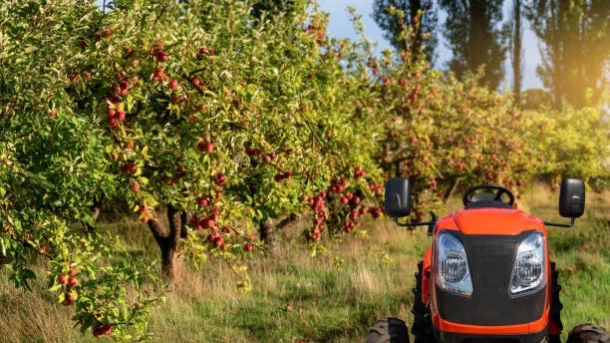
Efficiency and productivity are improved because autonomous farm equipment may run constantly without being affected by worker fatigue or time restrictions. They are able to work continuously, maximizing working hours and raising general effectiveness. Autonomous technology aids farmers in completing chores more swiftly and efficiently by decreasing downtime and boosting production.

Precision and accuracy: Autonomous farm equipment is outfitted with cutting-edge technologies including computer vision systems, sensors, and GPS. Accurate and reliable performance is made possible by these technologies, which also enable accurate navigation, mapping, and operation. Application of inputs, such as fertilizers or insecticides, with precision ensures focused distribution, minimizes waste, and maximizes resource use.

Savings: The labor expenses associated with some farm operations may be reduced with the use of autonomous farm machinery. Farmers can reduce labor costs by using automation, especially for labor-intensive or repetitive tasks. Autonomous machinery can also optimize inputs like water, fertilizer, or fuel, eliminating waste and lowering operating expenses.

Safety and minimized human risk: The direct human engagement in potentially dangerous operations is eliminated by autonomous agricultural equipment, improving safety on the farm. There is less chance of accidents, injuries, or exposure to harmful substances when fewer people are involved in dangerous procedures. Additionally, autonomous equipment lessens operator tiredness, which is a factor in mistakes and accidents caused by people.

How can smart irrigation systems conserve water in horticulture?

smart irrigation systems

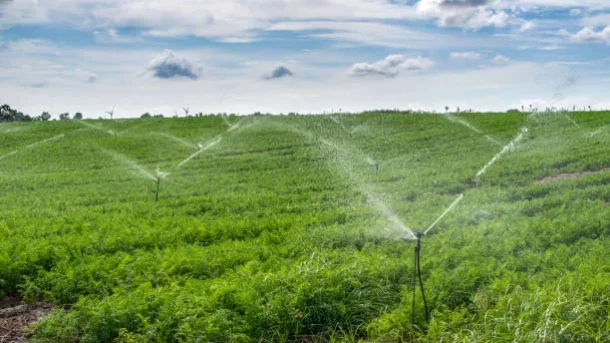
By streamlining irrigation procedures and minimizing water waste, smart irrigation systems are essential to the conservation of water in horticulture. Here are some ways that intelligent irrigation systems help to conserve water:

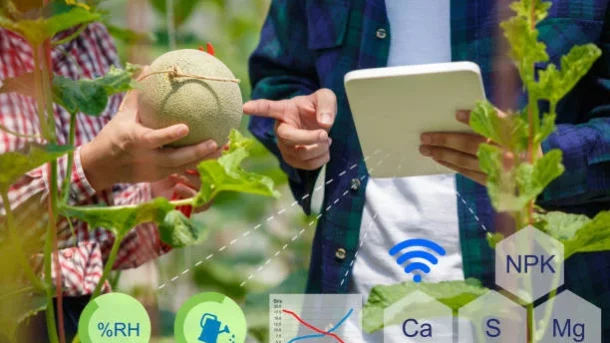
Monitoring soil moisture: Smart irrigation systems use soil moisture sensors to gauge the amount of moisture present in the plant roots. By providing real-time information on soil moisture levels, these sensors enable irrigation to be planned based on actual plant requirements rather than a predetermined schedule. Water is conserved and overwatering is reduced by making sure irrigation is used only as needed.

Weather-based irrigation scheduling: Smart irrigation systems include weather information into their irrigation plans, such as temperature, humidity, rainfall, and evapotranspiration rates. The systems modify irrigation volumes and frequencies based on the current weather and evapotranspiration rates.

Irrigation activities are controlled automatically by smart irrigation systems using sensor data and pre-set parameters. They can be programmed to turn on irrigation at particular times of the day, like early in the morning or late at night, when water loss from evaporation is at a minimum. Automation makes personal intervention unnecessary and guarantees that irrigation is always set to maximize water efficiency.

Smart irrigation system can be used with precision irrigation methods as drip irrigation, micro-sprinklers, or precision sprinklers. These methods minimize water loss from evaporation or runoff by delivering water directly to the root zone of plants. These technologies optimize water consumption, eliminate water waste, and boost water efficiency in agricultural operations by accurately directing water application.

What is the potential of using gene editing to increase crop resilience to drought?

gene editing

The ability to use gene editing to make crops more drought-resistant is noteworthy. Here are some crucial elements of how gene editing can help crops adapt to drought:

Targeted gene editing: The precise change of particular genes in crops is made possible by gene editing tools like CRISPR-Cas9. This makes it possible for scientists to specifically target and modify genes involved in stress signaling pathways, stomatal control, water transport, or other processes that are essential for drought tolerance. It is feasible to improve the crop’s resistance to and ability to recover from drought circumstances by altering these genes.

Introduction of genes responsive to drought: By using gene editing, genes that are known to confer drought resistance can be added or their expression can be improved.

Regulating stress-responsive genes: Gene editings can be used to change how stress-responsive genes are regulated. Researchers can improve these genes’ susceptibility to drought stress by changing their regulatory regions or expression patterns. This could entail regulating the expression of transcription factors that control the expression of genes that respond to stress in order to optimize responses to water availability.

Enhancing crop water use effectiveness: Gene editings techniques can be utilized to improve crop water use effectiveness. This entails altering genes responsible for controlling stomata in order to increase water usage effectiveness by lowering transpiration rates while preserving photosynthetic activity. Additionally, it is possible to boost agricultural yields and water uptake efficiency by targeting genes related to root architecture, such as root depth or density.