Advanced agriculture

 How does data analytics improve livestock management practices?

data analytics improve

By delivering insightful information, enabling well-informed choices, and enhancing overall performance, data analytics plays a significant part in enhancing livestock management methods. How data analytics improves livestock management is as follows:

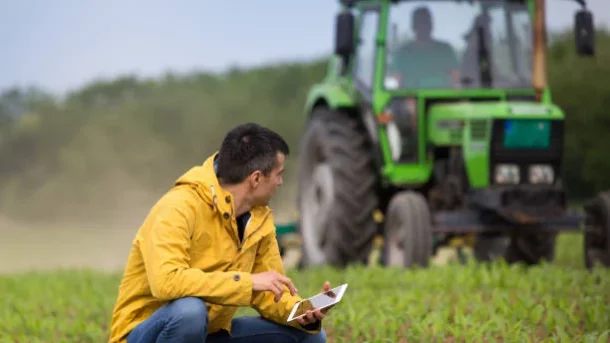
Key performance indicators (KPIs) in livestock production may be continuously monitored thanks to data analytics. Farmers can monitor the performance of specific animals, groups of animals, or the entire herd or flock by gathering and evaluating data on factors like weight gain, feed conversion ratio, milk production, or egg production. This monitoring enables the early identification of potential problems, the detection of departures from expected patterns, and the identification of underperforming animals.

Monitoring animal health and managing illness: Data analytics can help with monitoring animal health and managing disease in livestock. Analytics systems can find patterns and spot early indications of disease outbreaks or health problems by integrating data from a variety of sources, such as sensor data, veterinary records, and environmental data. This enables preventative actions to reduce disease spread and effect, such as early treatment, quarantine measures, or modifications in feed and management methods.

Management of reproduction: Data analytics improves management of reproduction in animals. Farmers can determine the ideal breeding periods, spot fertility issues, and decide on breeding plans after carefully examining data on estrus behavior, breeding records, fertility measurements, and environmental conditions. This increases reproductive efficiency overall, decreases calving/lambing intervals, and improves breeding success rates.

Optimization of feed management and nutrition: Data analytics aids in improving feed management and nutrition in the production of livestock. Analytics systems can produce personalized feeding plans and suggest feed compositions to satisfy particular nutritional demands by integrating data on feed composition, animal nutrient needs, and animal performance. Through this optimization, feed efficiency is increased, feed waste is decreased, optimal growth is ensured, and nutritional imbalances are minimized.
What are the benefits of using microbial biopesticides in crop protection?

microbial biopesticides in crop protection

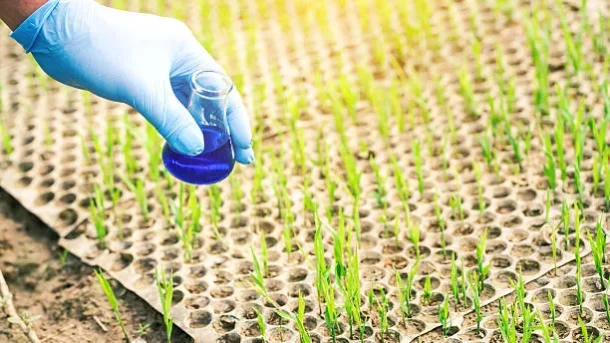
When compared to traditional chemical pesticides, the use of microbial biopesticides in crop protection has a number of advantages. The following are the main benefits of utilizing microbial biopesticides:

Environmentally friendly: Microbial biopesticides come from microorganisms that are found in nature, including bacteria, fungus, viruses, and protozoa. The environment and non-target creatures, such as helpful insects, pollinators, and wildlife, are not at significant risk from them. Microbial biopesticides degrade more quickly than chemical pesticides, which lessens their permanence in the environment and lowers the chance of water and soil pollution.

Control with a specific target in mind: microbial biopesticides in crop protectionmicrobial biopesticides in crop protection are extremely selective in their activity, concentrating on a single pathogen or pest while sparing the healthful organisms. The natural predators, pollinators, and other beneficial insects that support ecological balance are preserved because to this uniqueness. Keeping the natural ecology as little disturbed as possible.

Reduced danger of resistance development: When compared to chemical pesticides, microbial biopesticides pose a lesser chance of insect resistance emergence. Because microorganisms frequently possess many modes of operation, it is challenging for pests to evolve resistance. The likelihood of resistance developing can be further decreased and the efficacy of biopesticides can be maintained for extended periods of time by using them alternately or in combination with other control strategies.

Pre-harvest intervals (PHIs) for microbial biopesticides are often shorter than those for chemical pesticides. As a result, there is less time between application and harvest, giving pest control more flexibility and lowering the possibility of residue violations. Closer to harvest, farmers have more control over pest outbreaks thanks to short PHIs.

 How can the application of nanofertilizers enhance nutrient uptake by plants?

plants

Through a number of ways, the use of nanofertilizers can improve plants’ ability to absorb nutrients. The following are a few methods that nanofertilizers can enhance nutrient uptake:

Increased nutritional availability: Nanofertilizers are made to give nutrients in tiny, high surface area-to-volume ratio particles that are nanoscale in size. Better contact and interaction between the fertilizer particles and the plant roots are made possible by the expanded surface area. As a result, nutrients are more easily accessible for the roots to absorb, increasing the effectiveness of nutrient absorption.

Release of nutrients under control: Nanofertilizers with controlled-release capabilities can be created. The release of nutrients can be controlled over an extended length of time by encapsulating them within nanoscale coatings or matrices. By matching fertilizer availability to plant demand, this controlled release prevents nutrient leaching and minimizes losses.

Increased nutrient solubility: Some nutrients, like phosphorus, might not be as soluble in soil as others. Through the formation of nano-sized particles or complexes that are more soluble and readily available to plant roots, nanofertilizers can increase the solubility of these nutrients. Even in soils with low nutrient availability, this solubility improvement enables plants to absorb vital elements more effectively.

Targeting of nutrients is improved thanks to the functionalization or modification of nanofertilizers. Enhancing the affinity of nanofertilizers for particular root absorption processes or specific nutrient transporters is possible by functionalization with particular compounds or ligands. This focused administration improves fertilizer uptake effectiveness and lowers nutrient losses to the surrounding soil.

What is the role of robotics in selective harvesting of high-value crops?

selective harvesting

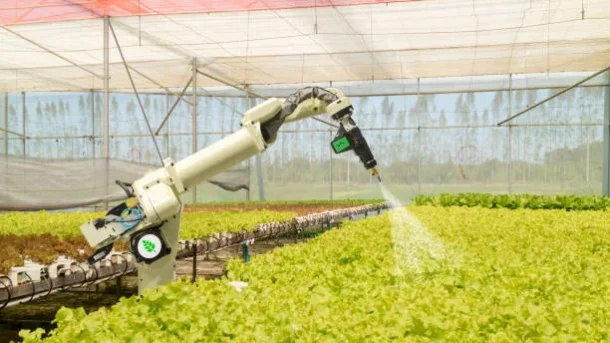
By offering accurate and effective solutions, robotics plays a vital role in the selective harvesting of high-value crops. Here are several ways that robotics aids in selective harvesting:

Robotic systems are made to move with accuracy and precision, enabling them to choose harvest particular crops or individual fruits without harming the nearby plants or produce. With such accuracy, high-quality harvests are guaranteed, reducing losses and retaining the crop’s worth.

Robotics used in selective harvesting frequently include sophisticated vision systems and sensors. Robots can now discover and recognize mature or ripe crops based on their color, size, texture, or other visual or sensory clues. Robots can precisely focus the harvesting by identifying and identifying crops at the desired level of development.

Gentle handling is necessary to prevent bruising or damage when harvesting high-value crops, such as delicate fruits. Robots can be programmed to carefully handle crops by using suction devices, soft-touch grippers, or gentle gripping mechanisms. This keeps the produce’s quality intact and reduces physical stress on it, making it more acceptable for premium markets.

Speed and efficiency of harvesting are boosted since robots are able to work constantly without the restrictions of human labor. Robots can pick crops at the perfect time, lowering the risk of overripeness and ensuring optimum yield thanks to their capacity to run continuously. Robots can also consistently do repetitive chores, which lowers labor costs and frees up human laborers for more complicated agricultural duties.

How does the use of drones in agriculture reduce operational costs?

drones

Drones use in agriculture can cut expenses in a variety of ways, including:

Effective data gathering: Drones with cameras, sensors, and other data-gathering equipment may quickly and effectively gather a variety of data kinds, including aerial pictures, multispectral or thermal imaging, and LiDAR data. Drones can quickly cover enormous regions and collect high-resolution data at a fraction of the cost and time of conventional manual data collection methods. This effectiveness lowers the need for labor and related expenses.

Precision mapping and monitoring: Drones make it possible to precisely map and keep an eye on livestock, crops, and fields. Drone-collected aerial imagery and sensor data can give precise information about the health of crops, their growth patterns, soil moisture levels, and pest infestations. Farmers can focus on specific regions by identifying those that need care.

Crop health evaluation: Drones with specific sensors may take multispectral or thermal photos, which offer important information about the state of a crop’s health. Early indications of stress, food deficiency, or disease outbreaks that might not be evident to the naked eye can be found using these photos. Farmers can avoid the need for lengthy scouting, eliminate yield losses, and use fewer chemical inputs by quickly recognizing and resolving these problems.

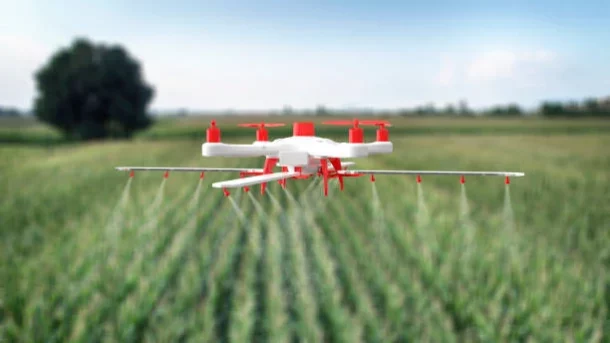
Drones can be fitted with seed spreaders or sprayers to enable the exact application of inputs such as seeds, fertilizer, or pesticides. Drones eliminate waste, minimize chemical use, and maximize resource use by applying inputs just where they are required. This focused strategy aids in lowering input costs and lessens the environmental damage caused by excessive application.

What are the advantages of using precision livestock farming techniques?

precision livestock farming

PLF (precision livestock farming) approaches have many benefits for the management and observation of animals. Following are the main advantages of utilizing PLF techniques:

Monitoring of animal welfare and health: Precision livestock farming approaches enable ongoing observation of animal welfare and health indicators. Indicators such as body temperature, heart rate, activity levels, food behavior, and rumination patterns can be tracked by sensors, such as wearable technology or automated monitoring systems. Through early health issue diagnosis and prompt action made possible by real-time monitoring, animal welfare results are improved.

The early diagnosis of diseases or anomalies in animals is made easier by PLF procedures. Animal behavior, vital signs, and performance indicators can all be continuously monitored in order to spot any deviations from the norm. As a result, the risk of early disease diagnosis and treatment is decreased.

Resource management at its best: PLF makes it possible for livestock production systems to use resources effectively. Farmers can modify their feeding techniques and improve nutrient management by gathering information on feed consumption, weight increase, and growth rates. As a result, feed efficiency is increased, feed waste is decreased, and resources like feed, water, and energy are used more sustainably.

Environmental effect reduction: PLF procedures help to lessen the environmental impact of raising livestock. Farmers can decrease the excretion of nutrients like nitrogen and phosphorus by maximizing feed intake and nutrition, which lowers the risk of soil and water pollution. Reduced feed waste and greenhouse gas emissions from livestock production are further benefits of precision feeding depending on the demands of each individual animal.

How can remote sensing techniques help detect nutrient deficiencies in crops?

remote sensing

Remote sensing and data integration: AI can use remote sensing data to monitor crop health and spot disease outbreaks over wide areas, such as satellite imaging or drone-based multispectral photos. Artificial intelligence (AI) can evaluate complicated interactions and correlations to discover illness risk factors and forecast the prevalence of diseases by combining data from various sources, such as meteorological data, soil conditions, and historical records. The decision-making process for managing and preventing diseases is improved by this data-driven approach.

Disease modeling and prediction: Using environmental factors, crop growth stages, and past disease data, AI can create predictive models that predict disease outbreaks. Artificial intelligence (AI) algorithms can produce precise disease risk assessments and offer early warning systems by evaluating enormous datasets and locating pertinent variables. 

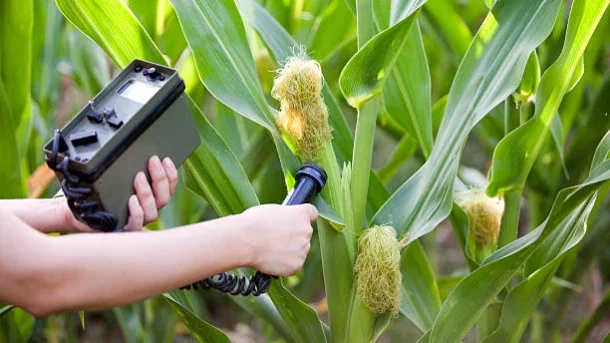
Spectral bands that are particular to nutrients: Some nutrients have distinct absorption or reflectance characteristics that can be found through remote sensing. For instance, whereas the Photochemical Reflectance Index (PRI) might reveal changes in carotenoid pigments linked to nutritional stress, the Red Edge Position (REP) represents the nitrogen status of plants. Remote sensing can shed light on nutritional deficiency by examining these particular spectral bands.

Remote sensings enables the spatial mapping of variability in a field, such as nutrient deficits. Remote sensing techniques can identify fluctuations in nutrient levels and pinpoint particular places with nutritional deficits by gathering data over a vast area. With the help of this knowledge, targeted actions can efficiently fix nutrient imbalances, including variable rate fertilization.

What is the potential of using artificial intelligence for plant disease diagnosis?

plant disease

For the diagnosis and management of plant disease, artificial intelligence (AI) has tremendous potential. Here are some ways AI can advance this area:

Early detection and diagnosis: AI systems can examine a lot of data, including photos, sensor readings, and historical records, to find and identify plant disease early on. AI may learn to recognize disease signs, trends, and indicators that may be challenging for human observers to notice by training machine learning models on a variety of datasets. Early detection allows for prompt intervention and therapy, which slows the progression and effects of disease.

Image analysis and recognition: AI-powered image recognition systems can examine plant photos taken by cameras or drones and spot lesions, lesions, illness symptoms, and other visual signs of disease. 

Remote sensing and data integration: AI can use remote sensing data to monitor crop health and spot disease outbreaks over wide areas, such as satellite imaging or drone-based multispectral photos. Artificial intelligence (AI) can evaluate complicated interactions and correlations to discover illness risk factors and forecast the prevalence of diseases by combining data from various sources, such as meteorological data, soil conditions, and historical records. The decision-making process for managing and preventing diseases is improved by this data-driven approach.

Disease modeling and prediction: Using environmental factors, crop growth stages, and past disease data, AI can create predictive models that predict disease outbreaks. Artificial intelligence (AI) algorithms can produce precise disease risk assessments and offer early warning systems by evaluating enormous datasets and locating pertinent variables. These forecasts assist farmers in implementing precautionary measures and resource of farm.

 How does variable rate technology optimize fertilizer application?

variable rate technology

By precisely adjusting the rate of fertilizer delivery to the unique requirements of various sections within a field, variable rate technology (VRT) improves fertilizer application. The advantages of VRT for optimizing fertilizer application are as follows:

Site-specific management: To develop a thorough understanding of field variability, VRT uses data from a variety of sources, including yield maps, soil sample, remote sensing, and soil maps. Based on the soil fertility, nutrient levels, crop requirements, and other criteria, this data is utilized to create prescription maps that designate several zones or management units within the field.

Application rates that are specifically tailored to each management unit are made possible by variable rate technology technology using prescription maps. Higher fertilizer application rates are used in areas with greater nutrient requirements or deficits.

Increased nutrient use efficiency: VRT maximizes nutrient use efficiency by applying fertilizers in accordance with the unique nutrient requirements of various regions. When nutrients are applied where they are most required, overapplication and nutrient loss to the environment are minimized. This effective fertilizer use increases crop uptake, enhances nutrient balance, and reduces the negative environmental effects of excessive fertilizer application.

Cost reductions: By lowering fertilizer waste, VRT can result in cost savings. Precision fertilizer application eliminates overapplication in areas with adequate nutrition levels, reducing wasteful input expenditures. Farmers may cut fertilizer costs, apply nutrients just where they are needed, and increase overall profitability by using resources efficiently.

What are the benefits of using biological control methods for weed management?

weed management

When opposed to traditional chemical pesticides, using biological control approaches for weed management has various advantages. The following are the main benefits of using biological control to manage weeds:

Environmental security: Biological control techniques concentrate on employing natural enemies to control weed management, such as insects, diseases, or animals. Unlike chemical herbicides, which harm non-target plants and the environment, biological control agents are specific to the weeds they target. This strategy lessens the possibility of soil and water contamination, cuts down on pesticide residues, and protects biodiversity.

Biological control is a long-term and environmentally friendly method of managing weeds. Once established, natural enemies can continue to control weed populations for a considerable amount of time. This lessens the requirement for recurrent herbicide applications, as well as the expenses and inconvenience.

Reduced weed populations that are resistant to herbicides: The widespread use of chemical pesticides can cause this problem. An other tactic that can slow the emergence and spread of herbicide-resistant weeds is biological control. The introduction of many natural enemies targets weeds via various mechanisms, lowering the selective pressure for herbicide resistance.

Cost-effectiveness: In the long run, biological control may be less expensive than repeatedly using herbicides. Once established, natural enemies can continue to control weed growth without ongoing inputs. As a result, it may be possible to cut back on the cost of herbicides, manpower, and any associated apparatus or equipment. Large-scale weed management activities may benefit especially from it.