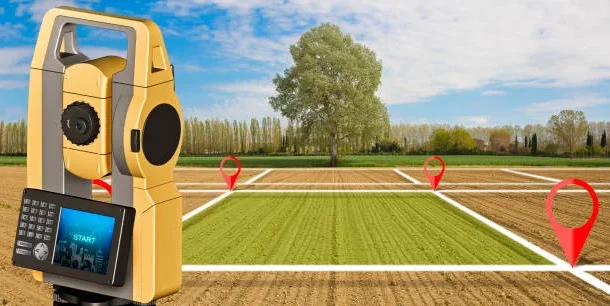
Advanced agriculture

How are emerging technologies like 3D printing being applied in agriculture?

3D printing

Equipment prototyping and production: 3D printing makes it possible to produce agricultural machinery and equipment parts quickly. It enables for the easy iteration and modification of specially developed components. As a result, conventional manufacturing techniques have shorter lead times and lower prices, which encourage creativity and experimentation in the creation of new equipment.

Equipment for Precision Farming: 3D printing can be used to make sensors and equipment for precision farming. Farmers may gather real-time data and make educated decisions regarding irrigation, nutrient application, and crop management by using 3D printed customized sensor mounts, drone parts, and soil moisture probes.

Infrastructure for Agriculture: Using 3D printing, agricultural infrastructure such as greenhouses, hydroponic systems, and animal shelters may be built and customized. With the help of this technology, designs may be made flexible and modular so they can adjust to certain environmental circumstances and crop needs.

Food Production: The production and personalization of food may be transformed through 3D printing. It can be utilized to provide individualized nutrition solutions, including 3D-printed supplements and foods high in nutrients. Furthermore, using create complex food designs and forms can improve presentation and culinary innovation.
What are the efforts to promote sustainable land use and ecosystem conservation?

ecosystem

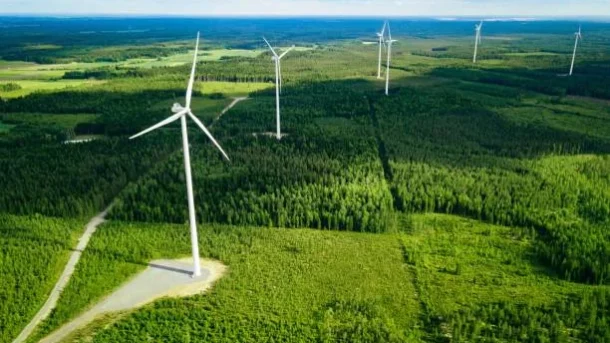
International Accords and Conventions: International pacts like the UN Convention on Biological Diversity (CBD) and the UN Framework Convention on Climate Change (UNFCCC) are essential for advancing ecological preservation and sustainable land use. For governments to protect and restore ecosystem, preserve biodiversity, and lower greenhouse gas emissions from land-use changes, these accords set goals and frameworks.

Protected Areas and National Parks: It is commonly accepted that the best way to preserve ecosystem and biodiversity is to create and extend protected areas and national parks. These places protect vital habitats, provide refuge for extinct species, and aid in scientific and educational endeavors. To construct and manage protected areas, governments, nongovernmental organizations, and international organizations collaborate.

Balance between the economic, social, and ecological elements of using forests is the goal of sustainable forest management techniques. This entails obtaining both timber and non-timber forest products while promoting reforestation, halting deforestation, and safeguarding biodiversity. Responsible forest management is encouraged by certification schemes like the Forest Stewardship Council (FSC).

Reforestation vs afforestation: Reforestation is the practice of replanting trees in previously deforested areas, whilst afforestation is the practice of planting trees in places that have never been covered by forests. These programs aid in stopping deforestation, boosting carbon sequestration, and restoring ecosystems.

How is the agriculture sector addressing the issue of food safety and traceability?

food safety

Good Agricultural Practices (GAP) are being adopted and put into practice by farmers. These practices include standards and guidelines for sustainable and safe agricultural production. The right use of fertilizers and pesticides, water management, personal hygiene, and the health and safety of workers are all covered by these practices. GAP aims to minimize hazards to food safety throughout the production of agricultural products.

Adoption of Quality Assurance Systems: Many agricultural businesses and farmers are putting quality assurance systems, including ISO 22000 and HACCP, into place. These systems concentrate on locating and eliminating risks to food safety at various points along the supply chain, from farm to fork. To ensure the safety, they assist in establishing preventive measures, monitoring systems, and traceability methods.

Enhancing Traceability Systems: To track and document the movement of food products along the supply chain, the agriculture sector is installing and enhancing traceability systems. To enable real-time monitoring and recording of product information, this entails the use of technologies like blockchain, barcoding, and RFID (Radio Frequency Identification). Food product origin, processing, and distribution histories may all be traced using traceability systems, which makes it simpler to spot possible safety hazards and take appropriate action.

Testing and Quality Control: To ensure the safety of agricultural goods, regular testing and quality control procedures are essential. Pesticide residues, heavy metals, microbiological contaminants, and genetically modified organisms (GMOs) are just a few of the things that can be tested for.

What are the challenges and opportunities in agricultural mechanization and equipment innovation?

mechanization

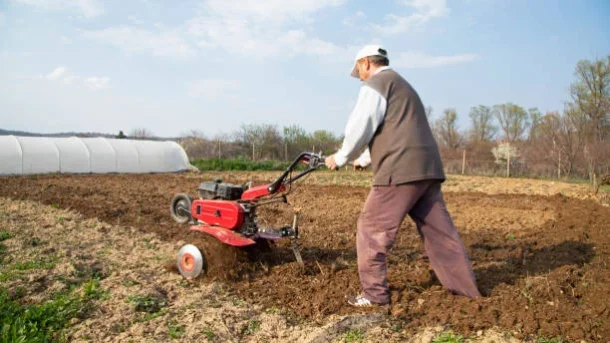
Accessibility and Affordability: Small-scale farmers often struggle to acquire and purchase agricultural gear and equipment due to their high cost. The implementation of mechanization technologies may be hampered by limited financial resources and poor credit access.

Infrastructure and Power Supply: In many areas, the utilization of mechanical equipment can be hampered by inadequate infrastructure, such as shoddy road systems and constrained access to electricity. Machine operation is impacted by an unstable power supply, especially in rural and distant places.

Technical Skills and Training: Technical skills and training are necessary for the efficient use of agricultural machinery. However, there can be a shortage of qualified technicians, mechanics, and operators with the skills required to use and maintain contemporary machinery. The implementation of mechanization can be hampered by a lack of training opportunities and restricted access to technical support.

Adaptability to Local circumstances: Agricultural mechanization solutions should be appropriate for regional agricultural systems, agroecological circumstances, and farm sizes. To meet the various needs of farmers, equipment must be flexible and adaptable. It can be difficult to design and modify machinery to meet certain regional circumstances.

How are farmers adapting to changing agreements and geopolitical dynamics?

farmers

Supportive Regulations and Permitting Procedures: To make urban agriculture activities easier, governments are streamlining regulations and permit procedures for farmers. This entails streamlining the application process for permits and removing obstacles relating to zoning compliance, water usage, waste management, and land use regulations. Some localities have enacted licenses or permits for urban farming that are specific to the requirements and needs of urban agriculture.

Enhancing home Market Presence: In order to lessen their reliance on international trade, farmers are concentrating on enhancing their home market presence. They look at community-supported agriculture (CSA) programs, farmers markets, direct-to-consumer sales, and local marketing channels. Even in the face of disruptions in commerce, this strategy aids farmers in maintaining a steady market base.

Adopting Technology and Innovation: In order to increase their competitiveness on the global market, they are embracing technology and innovation. They make investments in precision agriculture methods, make use of cutting-edge machinery and equipment, make decisions using data, and practice sustainable farming methods. Farmers may increase output, cut expenses, and produce goods that are up to par with global standards by utilizing technology.

What are the recent developments in urban agriculture policy and governance?

urban agriculture

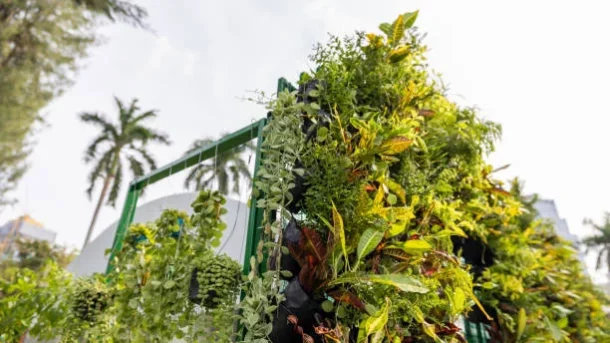
Zoning and land use regulations: In order to support and accommodate urban agriculture, many communities have updated their zoning and land use regulations. This includes setting aside particular areas or pieces of land for agricultural use, allowing for the cultivation of crops, the breeding of small animals, and the keeping of bees inside the boundaries of cities. Zoning amendments may also deal with matters like water rights, access to land, and the incorporation of urban agriculture into urban planning.

Plans and Strategies for Urban Agriculture: Cities are creating thorough plans and strategies to direct the creation of initiatives for urban farming. Goals and objectives for ensuring food security, expanding green space, enhancing sustainability, and fostering community well-being are frequently included in these plans. 

Supportive Regulations and Permitting Procedures: It make activities easier, governments are streamlining regulations and permit procedures. This entails streamlining the application process for permits and removing obstacles relating to zoning compliance, water usage, waste management, and land use regulations. Some localities have enacted licenses or permits for urban farming that are specific to the requirements and needs of urban agriculture.

How is the use of biodegradable and compostable materials being promoted in agriculture?

biodegradable

In an effort to lessen its negative effects on the environment and to promote sustainability, agriculture is encouraged to employ biodegradable and compostable materials. The following are some strategies for promoting the use of such materials:

Films for packaging and mulching: In place of conventional plastic films, biodegradable and compostable materials are utilized for packaging and mulching in agriculture. Long-term environmental damage can be avoided and plastic waste reduced by using these materials, which can naturally decompose over time. They can be produced using a variety of materials, including bioplastics created from naturally occurring materials like plant starch, cellulose, or polylactic acid (PLA).

Planting Containers and Pots: For the growth of seedlings, biodegradable containers and pots composed of materials like coconut coir, wood fibre, or moulded plant-based polymers are employed.

Crop coverings and Tunnels Made of Biodegradable Materials: Crop coverings and tunnels are made of decomposable materials, such as bioplastic or natural fibers. These materials offer defense against insects, severe weather, and temperature swings. They gradually disintegrate naturally, obviating the need for removal and disposal and lowering waste production.

Biodegradable Mulches: biodegradable mulches derived from substances such as starch, cellulose, or decomposable polymers are becoming more and more well-liked. Similar to conventional plastic mulches, these mulches reduce weed development, preserve soil moisture, and enhance crop performance. However, they organically decompose after the growth season, negating the requirement for removal and disposal of plastic.

What are the implications of changing consumer preferences for plant-based proteins?

plant-based proteins

Food Industry Change: The demand for plant-based proteins is growing, which is causing the food industry to change. Food producers are creating and marketing a wide variety of plant-based protein substitutes, including snacks with plant-based protein, dairy substitutes, and meat substitutes. As a result of this transformation, plant-based product lines are growing, new food startups are emerging, and research and development expenditures for novel plant-based food technologies are rising.

Land Use and Agricultural Practices: The rising demand for plant-based proteins may have an impact on land use and agricultural practices. There may be a change in farming methods toward the cultivation of crops like soybeans, peas, lentils, and other protein-rich plants to meet the need for plant-based protein sources.

Sustainability and Environmental Impact: Compared to animal-based proteins, plant-based proteins are typically thought to have a lesser environmental impact. They produce fewer greenhouse gas emissions and utilize less energy, water, and other natural resources. The move toward plant-based protein may help lessen the impact of the food system on the environment and encourage more sustainable agriculture methods.

Nutritional and health concerns frequently influence consumer choices for plant-based proteins. Plant-based proteins can offer important minerals and dietary fiber and are typically associated with lower levels of cholesterol and saturated fat. This change in consumer tastes may benefit public health, lowering the risk of several diseases linked to diet, among other things.

How are governments and organizations supporting climate-smart agriculture initiatives?

climate-smart

Support for Policy: Governments are creating and putting into effect policies that support climate-smart agriculture. For farmers who embrace sustainable methods, these policies may include financial incentives, subsidies, and tax exemptions. Regulations to promote sustainable land management and cut back on greenhouse gas emissions from agriculture may also be included.

Finance and Investment: To promote the adoption of climate-smart agricultural practices, governments and organizations offer financial assistance through grants, loans, and investment funds. The implementation of sustainable farming methods, capacity building, infrastructure enhancement, and research and development are all possible uses for these funding.

Research and Development (R&D): To improve climate-smart farming practices, governments and organizations invest in R&D. This involves supporting academic research, creative initiatives, and technical advancements that aim to increase agricultural productivity while reducing environmental effect. Additionally, research and development projects can focus on creating irrigation systems that are effective and sustainable farming practices.

Knowledge Sharing and Capacity Building: To promote climate-smart agriculture, governments and organizations enable knowledge sharing among farmers, researchers, and extension agencies. To spread knowledge about sustainable agricultural methods, conservation measures, and climate adaption tactics, this involves setting up workshops, training programs, and demonstration farms.

What are the advancements in digital tools and platforms for farm management and decision support?

digital tools

Digital tools and platforms for decision support and farm management have advanced quickly in recent years, giving farmers access to data-driven insights and optimized processes. Here are a few noteworthy developments.

Agricultural Management Software: Today’s software for managing farms provides thorough platforms that incorporate many different areas of agricultural operations. Farmers can track inventory, manage field activities, keep track of observations, keep track of equipment maintenance, handle money, and analyze data using these systems. They offer a central location for farm data, supporting well-informed choices and enhancing operational effectiveness.

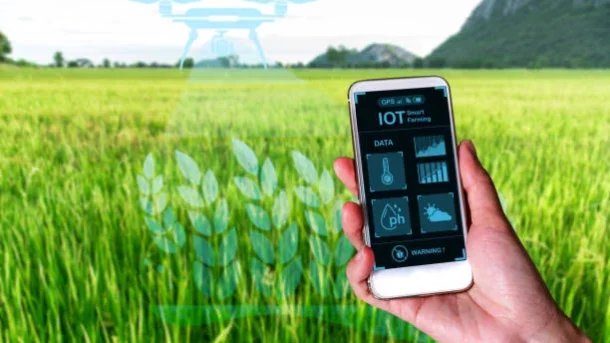
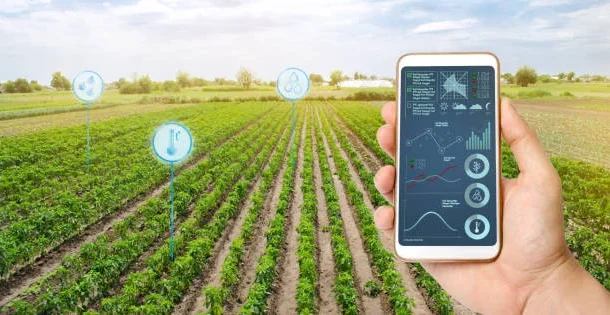
Technologies for Precision Agriculture: Digital tools and platforms have completely changed the way precision agriculture is done. Accurate field mapping and boundary delineation are made possible by the Global Positioning System (GPS) and satellite photography. Real-time information on soil moisture, temperature, and nutrient concentrations is gathered via sensors built into machinery and equipment.