Agricultural market

What is the role of agribusiness companies in the agricultural market?

agribusiness

Due to their involvement in many parts of the agricultural value chain, agribusiness enterprises are essential in the agricultural industry. These businesses operate at various stages, from input production and supply to agricultural product processing, distribution, and marketing. In the agriculture market, agribusiness enterprises play the following major roles:

Technology and Input Supply: Agribusines firms supply farmers with necessary inputs like seeds, fertilizer, insecticides, and agricultural equipment. Additionally, they make investments in R&D to create enhanced crop types and cutting-edge agricultural technologies.

Agribusiness firms provide farm management services to farmers, offering them agronomic guidance, soil testing, crop monitoring, and precision agriculture techniques to maximize output and resource efficiency.

Production and agro-processing: Agribusiness firms can either carry out their own agricultural production or hire farmers to grow their crops and rear their livestock. They also transform unprocessed agricultural materials into value-added goods including food, drinks, and biofuels.

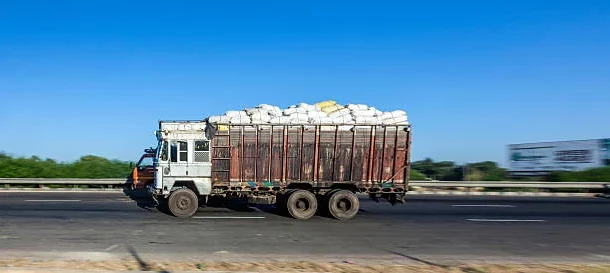
Market Access and Distribution: Agribusiness firms are essential in bridging the gap between farmers and markets. They offer storage facilities, logistics, and distribution networks to make sure that agricultural products get to consumers quickly.

Agribusiness firms provide farmers with risk management tools, such as crop insurance and weather risk protection, to help them lessen the impact of unplanned events on their output and income.
What are the factors contributing to the rise in vertical farming?

vertical farming

Several elements that make this cutting-edge agricultural method more appealing to farmers, investors, and consumers are behind the development in vertical farming. The following are some of the main causes of the development of vertical farming:

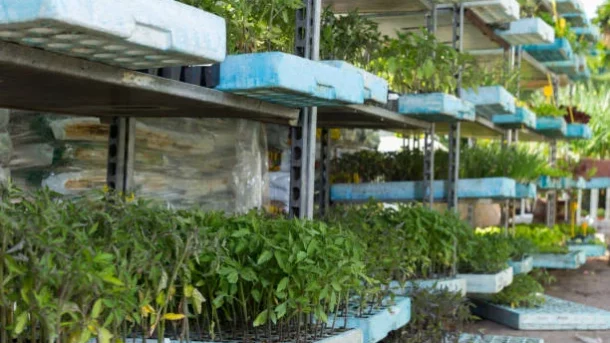
Limited Arable Land: Due to urbanization, soil deterioration, and other factors, there is a decreasing amount of arable land available. When opposed to conventional horizontal farming techniques, vertical farming enables agriculture to be carried out in vertical stacks or levels, using less area.

Urbanization and Population Growth: As the world’s population continues to rise and more people live in cities, there is a rising need for fresh produce that is cultivated nearby. Urban populations can obtain fresh produce from vertical farms that can be erected in or close to cities, cutting down on transit costs.

Climate Change and Extreme Weather Events: As the frequency of extreme weather events like droughts and floods rises, climate change causes problems for traditional agriculture. Vertical farms provide improved climatic resilience and protection against inclement weather because they frequently operate in controlled surroundings.

Water conservation: When compared to conventional open-field agriculture, vertical farming uses much less water thanks to its sophisticated irrigation systems. By precisely delivering water to plant roots, methods like hydroponics and aeroponics help to reduce water waste.

Production All Year Long: Vertical farms may run all year long, regardless of the seasons or the weather. A consistent supply of fresh vegetables is ensured by this ongoing production throughout the entire year.

How are digital platforms transforming the agricultural market?

digital platforms

By utilizing technology to establish new and effective connections between farmers, agribusinesses, and consumers, digital platforms are transforming the agricultural sector. These platforms revolutionize several facets of the agricultural industry using data analytics, cloud computing, mobile applications, and the Internet of Things (IoT). Here are some examples of how the agriculture market is being significantly altered by internet platforms:

Market Access and Direct Sales: By allowing farmers to communicate directly with buyers, processors, and consumers, digital platforms eliminate the need for middlemen. Through online markets and e-commerce platforms, farmers may advertise their goods, set pricing, and organize sales.

Supply Chain Transparency: By providing real-time information on the place of origin, the method of production, and the distribution of agricultural products, digital platforms improve supply chain transparency. The ability of consumers to track their food’s progress from the farm to the table encourages food safety and accountability.

Data-Driven Decision Making: Digital systems gather and examine a huge quantity of information on agriculture, including weather patterns, soil characteristics, and market trends. With the help of this data-driven methodology, farmers and agribusinesses may decide wisely about crop management, resource allocation, and marketing tactics.

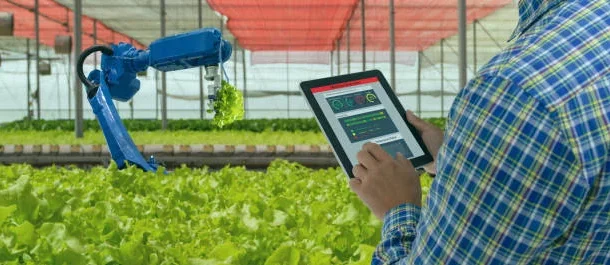
Precision Agriculture: By using IoT devices, drones, and sensors to precisely monitor crop, soil, and weather conditions, digital platforms support precision agriculture operations. Through optimization, resources are used more effectively, yields are raised, and environmental impact is diminished.

What are the current trends in agricultural export and import volumes?

agricultural export

I’m an AI language model, so I don’t have access to real-time data, and I only know what is known as of September 2021. I am unable to supply the amounts of agricultural export and imports beyond that date at this time. A number of variables, such as the state of the global economy, shifting consumer preferences, geopolitical developments, and weather patterns, can affect the volume of agricultural commerce.

I suggest consulting dependable sources like the United Nations Food and Agriculture Organization (FAO), the World Trade Organization (WTO), the U.S. Department of Agriculture (USDA), and other official government and international organizations that routinely publish agricultural trade data and reports for up-to-date information on current trends in agricultural export and import volumes.

These sources frequently offer thorough and recent data on agricultural trade volumes for various goods and geographical areas, providing useful insights into the present dynamics and trends in the global agricultural market.

How do commodity prices influence agricultural land values?

agricultural land

The value of agricultural land is significantly influenced by commodity prices. It is complicated and depends on a number of aspects how commodities prices and land values relate to one another. The following are some of the main ways that commodity prices impact the value of agricultural land:

Earning Potential: The earning potential of agricultural land is directly impacted by commodity prices. The profitability of owning and running farms can increase when commodity prices are high because farmers can make more money from their crops. The demand for agricultural land may increase as a result of the larger revenue potential.

Profitability and Returns on Investment: Farmers are typically more profitable when commodity prices are higher. Investors may perceive farmland as an appealing asset class and be willing to pay more for it as the agricultural industry grows more successful.

Demand for Farmland: There is often more demand for farmland when commodity prices are high and farmers are receiving strong returns on their crops. The demand for agricultural land may increase, as may its value, due to farmers expanding their operations and investors attempting to enter the agricultural sector.

Cost of Production: For farmers, the cost of production is also influenced by commodity prices. Farmers may experience narrower profit margins during periods of low commodity prices, making it harder for them to pay for expensive land. In contrast, increased commodity prices may give farmers more financial freedom to make land investments.

Commodity prices can affect interest rates and the availability of finance for investors and farmers. When commodity prices are higher, lenders could be more cautious.

What are the latest innovations in agricultural machinery and equipment?

equipment

Several advancements in agricultural technology and equipment were being created and deployed as of my most recent update in September 2021 to increase productivity, sustainability, and efficiency in the agricultural industry. Here are some of the most recent advancements in agricultural gear and equipment as of that time, despite the fact that agricultural technology is constantly changing:

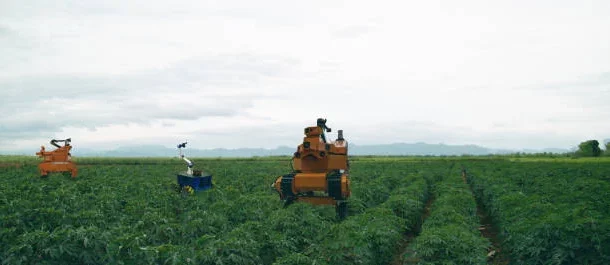
Autonomous tractors and equipment: Equipped with GPS and cutting-edge sensors, self-driving tractors and equipment may carry out a variety of tasks, including planting, spraying, and harvesting. Equipment that is autonomous lowers the need for manpower and allows more precise and effective operations.

Drones and Unmanned Aerial Vehicles (UAVs): Drones with cameras and sensors are used for data collecting, aerial imaging, and crop monitoring. They offer farmers useful information for enhancing crop health, insect control, and irrigation.

Robotic Systems for Harvesting: In order to alleviate the labor shortage and improve harvesting efficiency, robotic systems that can pick fruits and vegetables are currently being developed.

Using real-time data and field conditions, farmers may administer inputs like fertilizer, herbicides, and seeds at different rates using a technology called variable rate technology (VRT). This technology lessens the impact on the environment while maximizing resource consumption.

Precision planting systems make use of cutting-edge technology to guarantee precise seed placement, spacing, and depth, improving crop establishment and yields.

How are consumer preferences for organic and locally sourced products affecting the market?

organic and locally sourced

The agricultural sector has been significantly impacted by consumer demands for organic and locally sourced goods, which have changed how food is produced, marketed, and distributed. These choices are a reflection of consumers’ rising interest in sustainable and healthier food options. Here are some significant ways that the market is being impacted by consumer demand for organic and locally sourced goods:

Rising Consumer Demand for Organic Products: Organic product demand has been rising over time. Due to its alleged advantages for human health and the environment, organic agriculture, which forgoes the use of synthetic pesticides and fertilizers, is becoming more and more popular. As a result, the market for organic produce, dairy, meat, and processed meals is expanding.

The cost of organic certification, reduced yields, and constrained economies of scale frequently result in organic products being more expensive than their conventional counterparts. Farmers have been encouraged to adopt organic methods because consumers are willing to pay more for them.

Organic farming is becoming more prevalent as a result of the increased demand for organic goods. In order to satisfy customer demand, more farmers are switching to organic farming methods, and new organic farms are being founded.

Sustainable Agriculture Practices: Aside from organic farming, other agricultural practices have been influenced by consumer demand for organic goods. Farmers, even those that do not pursue organic certification, may use eco-friendly and sustainable techniques to appeal to customers who care about the environment.

What are the impacts of transportation costs on agricultural trade?

transportation costs

Transport costs significantly affect agricultural trade and the movement of agricultural products across regions and nations. These expenses can change depending on the distance, the form of transportation, the infrastructure, and the cost of fuel. Several of the main effects of transportation costs on agricultural trade are listed below:

Market Access and Distance: Farmers who are located distant from important markets or export hubs may find that their access to markets is restricted by higher transportation expenses. Transporting their produce to customers or ports may be expensive for farmers in outlying places.

Competitiveness of Agricultural Exports: The competitiveness of agricultural exports in global markets is impacted by transportation costs. The final price of exported goods may increase due to higher transportation expenses, thereby reducing their competitiveness against commodities from other countries.

Dependence on Imports: Despite the fact that some agricultural products could be produced more cost-effectively elsewhere, countries may become more dependent on locally produced agricultural products or import from countries nearby with lower transportation costs as a result of high transportation costs.

Transportation expenses may lead to price differences across areas. For instance, areas nearer to industrial hubs may have lower prices as a result of decreased transportation costs.

Efficiency in the supply chain: Timely delivery of agricultural products is ensured by efficient transportation systems, which also shorten lead times. Conversely, ineffective shipping can result in hold-ups, spoilage, and higher handling expenses.

How do market trends influence agricultural production practices?

market trends

Farmers and agricultural producers adapt their techniques to changing customer preferences, market needs, and economic conditions, which has a substantial impact on market trends. The agricultural industry is very dynamic and adaptable, and production strategies are frequently influenced by market signals and new trends. Following are some ways that market trends affect agricultural production methods:

Changes in Consumer Preferences: Farmers may modify their production techniques to accommodate changes in consumer preferences, such as rising demand for organic, non-GMO, or locally sourced goods.

Rising Global Demand: Farmers may concentrate on producing crops or livestock that are in high demand as a result of growing population and rising incomes in some countries, which can lead to an increase in demand for specific agricultural commodities.

Market trends that place a strong emphasis on environmental stewardship and sustainability may have an impact on agricultural operations. To fulfill customer expectations, farmers may use precision agriculture, conservation tillage, and other sustainable practices.

Value-Added Products: Farmers may be encouraged to diversify their operations and take part in on-farm processing or partnerships with food processors as a result of the market trend toward value-added and processed agricultural products.

Technological Advancements: To maximize resource utilization and boost yields, new technologies and precision farming techniques are frequently used as a result of market trend that favor productivity and efficiency.

What is the role of agricultural cooperatives in the market?

agricultural cooperatives

Since they were established by farmers and agricultural producers to work together and collaboratively address shared needs and issues, agricultural cooperatives play a key role in the agricultural market. These cooperative groups run on the tenets of shared benefits, democratic control, and reciprocal aid. The following are some of the major functions that agricultural cooperatives play in the market:

Collective Bargaining Power: Farmers and producers have more negotiating clout with consumers, processors, and suppliers thanks to agricultural cooperative. Cooperatives can better its members’ rates and terms by pooling their resources and goods.

Market Access and Distribution: Cooperatives can give its members better market access, which enables them to more effectively reach buyers and consumers. They frequently manage the marketing and distribution of their members’ products, opening them bigger markets for small-scale farmers.

Risk management: Cooperatives provide methods for sharing risks, enabling members to collaborate on managing risks associated with production, price swings, and market uncertainty.

Input Procurement: Cooperatives can gain discounts and cost reductions for its members by buying agricultural inputs, such as seeds, fertilizer, and equipment, in bulk.

Financial Access: Agricultural cooperatives can make it easier for their members to get loans and funding, supporting investments in infrastructure, production processes, and machinery.